Stories Shape the World, and Africans Must Tell Their Own Stories.
Stories shape the world, and you probably already know this. Behind every great movement led by people was a proportionately great story.
The very famous proverb by one of Africa’s best storytellers, Chinua Achebe, explains this perfectly. He said that ‘until the lion learns how to write, the tale of the hunt will always glorify the hunter’.
That proverb explains a lot about why Africa has appeared the way it has in the global press for a very long time. Most of the stories coming out of Africa have been told by people who are not Africans, and many of them have little or no interest in reporting African matters as they truly are.
Maybe they don’t fully understand what’s going on. Maybe they have a different agenda. I honestly don’t know.
But one thing is very clear: the best way to tell the African story is when Africans tell the stories themselves.
This doesn’t imply, therefore, that a story is true because an African, just any African, tells it.
Where do we draw the line? What is a genuine African story, and who should tell it?
Let’s dig in. Shall we?
The Problem With African Representation in Media
One thing I’ve come to observe is that there simply isn’t enough African content out there.
For people who love to read and learn about African culture, history, and heritage, it’s surprisingly hard to find material that actually depicts Africa as it truly is.
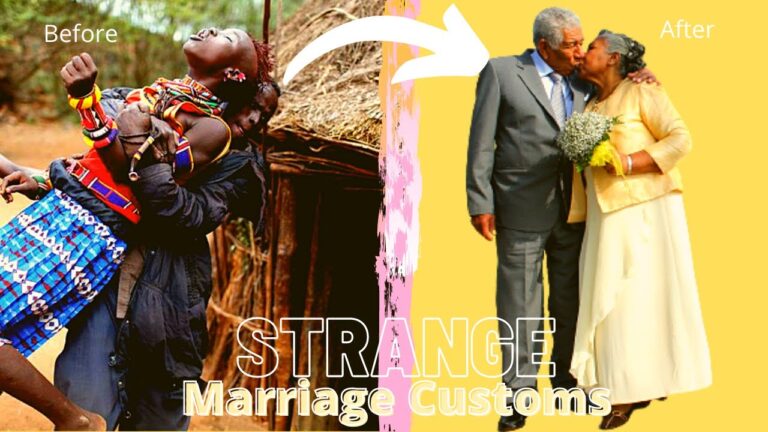
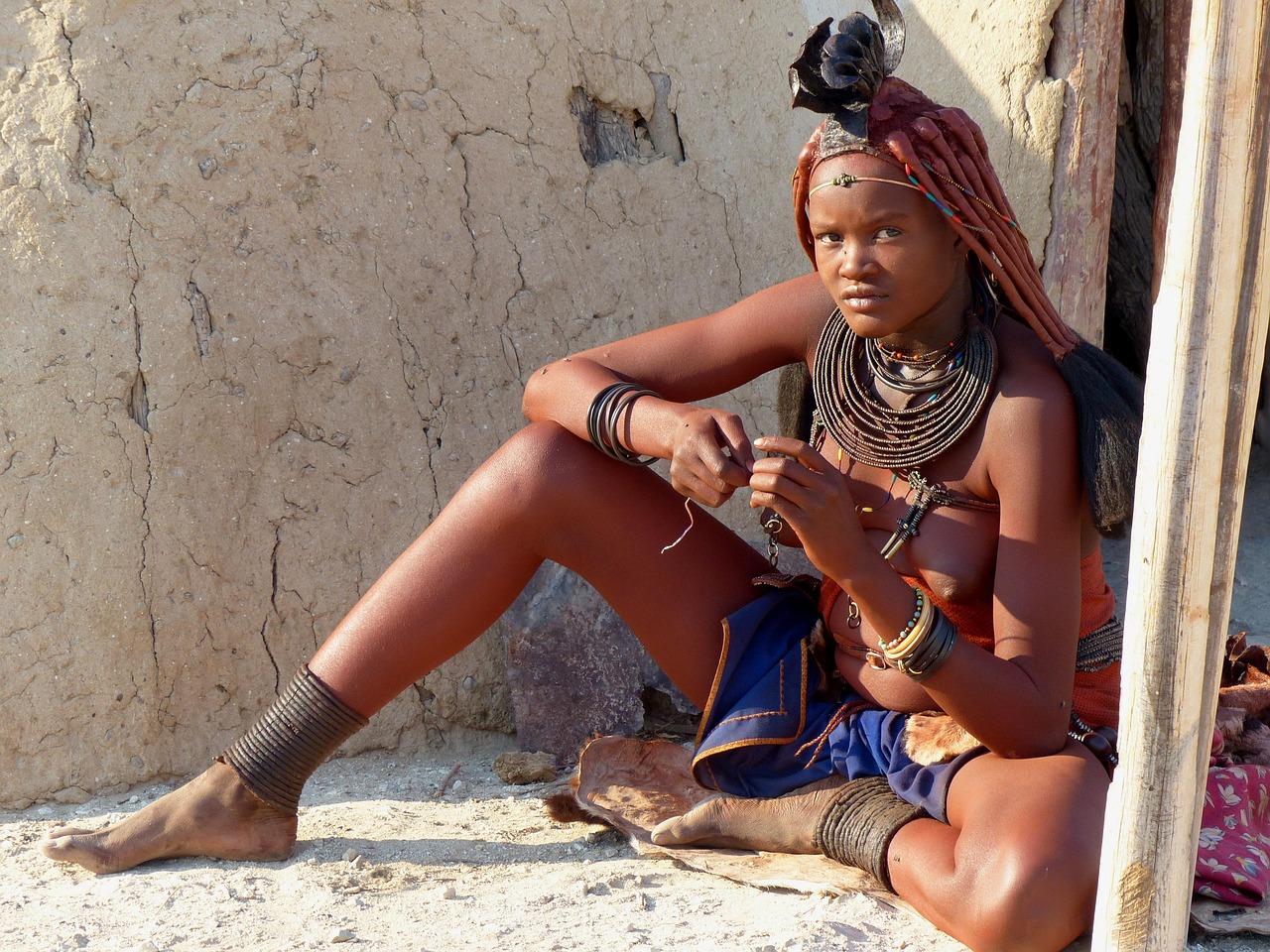
I say this as someone who is African, who lives in Africa, and who is deeply in tune with the cultures and traditions of my people. Yet every time I see reports in the news, articles, movies, books, and popular stories about Africa, what is being represented does not accurately reflect what we practice or who we are.
I could give a hundred examples with ease. But let’s not do that. Let’s start with one I hold dear to heart.
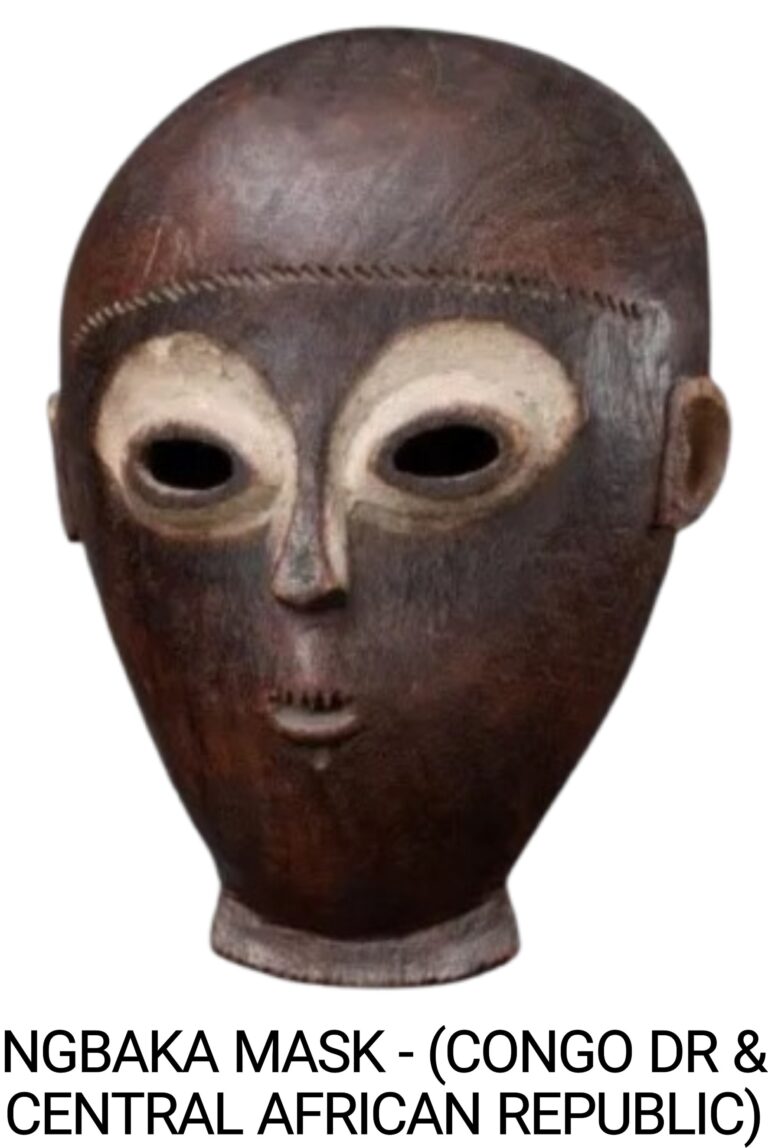
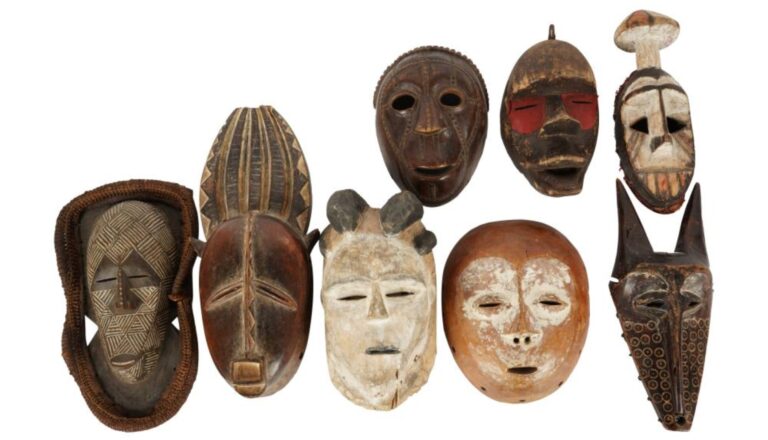
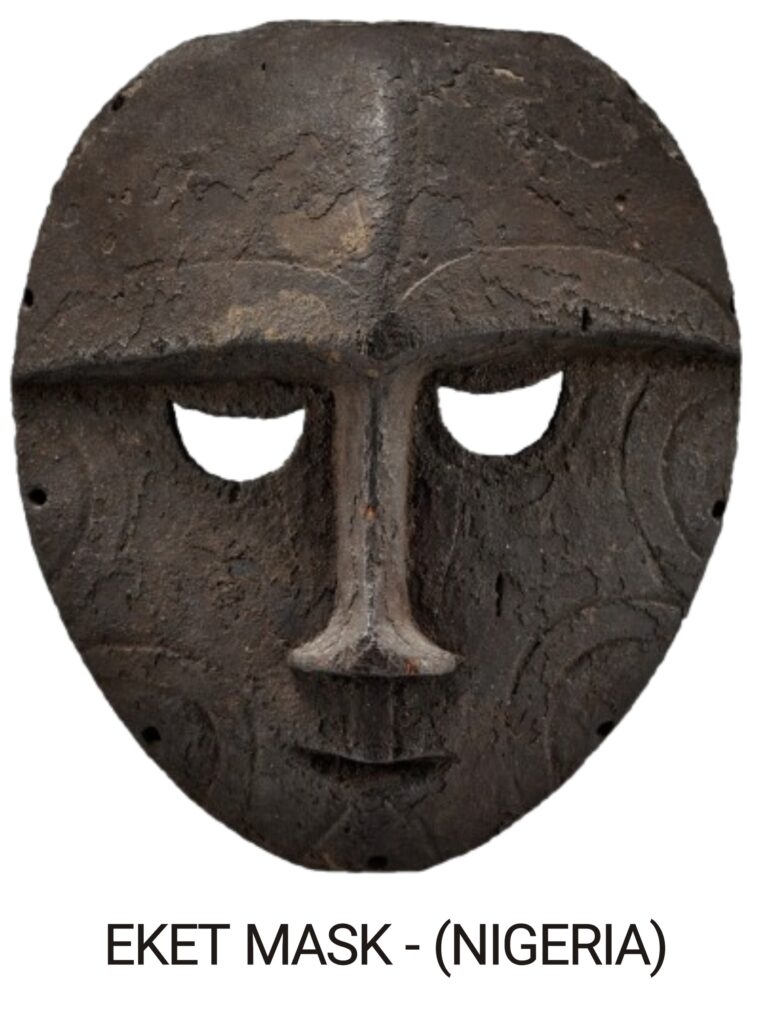
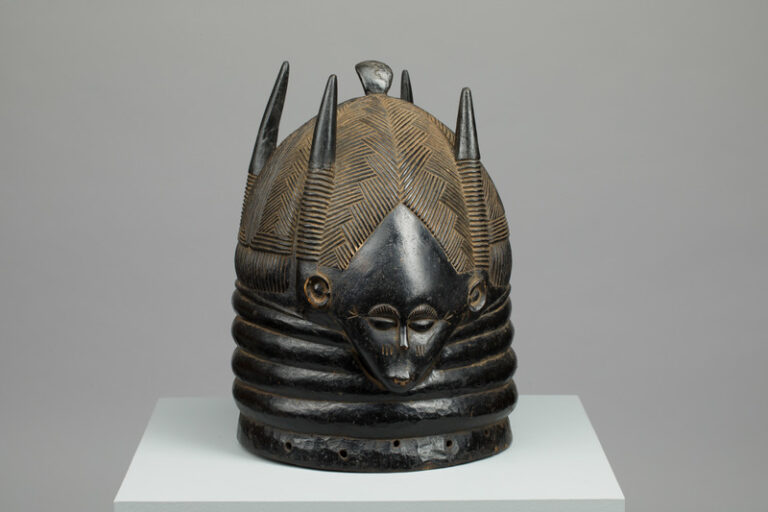
There are more publications about African masks by non-Africans than by native Africans. This is not a problem. The issue is that these publications do not educate anyone about the culture. They merely show off beautiful pictures that help buyers and collectors make buying and selling decisions.
Think of it like a Playboy magazine of African masks. No substance or depth, just sets the culture up for further exploitation. Traditional African masks that held such great meaning to the people are subjects of trade.
It was the inspiration behind my book, Within Carved Lines. I wanted those who read the book to learn about African Masks and what significance they hold.
Our culture is pure. What we have is precious. But what is shown to the world is often something else entirely—and, to be honest, it can be insulting.
When you look deeper, you often discover that these stories were not written by Africans at all. And even when they are written by Africans, sometimes they are written by Africans who do not live in Africa. They tell stories based on what they’ve heard or read, not on what they’ve actually experienced.
Imagine some African Americans who think that we wrestle Lions and race Chetahs. Or maybe we have to hunt meat in order to feed. Some of them will live out their lives never knowing the truth.
Sometimes Africans try to please the algorithms of this world. If I said ‘Africans eat grass’ or ‘Africans are happy’. Easily, most people want to see grass. Knowing this, many African storytellers will play along if it makes them more money.
This is one of the biggest reasons there isn’t enough authentic African content out there—and it’s something we should all be interested in changing.
If We Don’t Tell Our Stories, Nobody Will
If we don’t tell our own stories, nobody will tell them for us. There’s a saying about a trumpet: if you don’t blow your own trumpet, nobody is going to blow it for you.
When you look at the rest of the world, you’ll notice that everyone is very intentional about telling stories that glorify themselves. Americans do it. The British do it. The French, Germans, Russians, and Chinese—everyone tells stories where they are powerful, advanced, heroic, and on top.
Africa, on the other hand, often tells stories that do the opposite.
Growing up, I could never watch Nollywood movies. It was full of the stories of how the Coloniser saved us from ourselves, and we are happier now. Social Engineering at its best.
The movies were sponsored and promoted. They always had the same silly storyline.
The village is overrun by evil. The people are helpless. Then the hero arrives. Usually, European missionaries and their slave interpreters. There’s a big fight between darkness and light. Light wins, and the people are free.
I hated those stories. Everything was demonised. The storylines are filled with witches, wizards, betrayal, destruction, and very little good coming out of society.
Poverty was glorified. If you were rich, you had to be an evil ritualist who eats people for breakfast.
For the actors, it was their job. Put money in their pocket, and they will do anything, good, bad or ugly.
But when you watch American action movies, there’s almost always a great American hero fighting enemies from the outside.
That difference matters.
Other cultures tell stories that glorify who they are. Hercules overcomes impossible tasks and becomes a god. Superman comes from another planet and becomes a hero on Earth. Spider-Man starts as a bullied boy and rises to become a hero who saves his city and the people he loves.
Think of Harry Porter and all similar stories. Even witches look good and can be heroes, too.
All these stories follow the same pattern: someone rises, overcomes adversity, and becomes the best version of themselves.
African stories, especially modern ones, often fail to follow this pattern. Instead, they sometimes make us look bad.
We were not always like this. Our traditional folktales actually glorify our culture and values. They were empowering, once upon a time.
Everyone Has a Story to Tell
There is one thing I know for sure: we all have stories. I have stories. You have stories.
You might be thinking, “I don’t have a story.” But you do. You should tell your story.
You might also think, “My story isn’t good enough. It’s not polished enough. It’s not impressive enough.” The truth is, no story ever captures everything exactly as it happened. Details are always left out.
And that’s okay.
What We Can Learn From the Bible About Storytelling
Some of the most powerful stories in the world come from the Bible. And I use this example deliberately, because many Africans are Christians.
The Bible does not tell you everything Jesus ever did. It doesn’t tell you when he bathed, when he was tired, or when he was frustrated or had to use the bathroom halfway through a sermon. But we know those things must have happened.
The stories focus on what glorifies him: his teachings, his miracles, his compassion, his sacrifice. Even when he gets angry, it is shown as righteous anger.
That doesn’t mean the story is fake—it means the story is intentional.
When you tell your own story, you don’t have to expose every imperfection. You are allowed to emphasise what makes you look good. Compare it to the lights, camera angles and makeup on a movie set.
That’s exactly how many Western cultures have learned to tell their stories.
Why You Should Not Be Afraid to Tell Your Story
If Africans want to create content that appeals to the world, we must learn to tell our stories properly.
No matter how imperfect you think your story is, even the smallest part of it can inspire someone and change a life.
That’s why you should not be afraid to tell your story—and not someday, but now.
The people we admire most are remembered because of their stories. Jesus was a storyteller. Mandela was a storyteller. Their stories are what shaped how the world sees them.
Africa can never have too many storytellers. We are over a billion people on the continent, and even more outside it.
People are waiting to hear the stories you are holding back.
Be the Hero of Your Own Story
When you tell your story, make sure you are the hero of your story.
This doesn’t mean arrogance. The version of Christianity many of us were taught encourages us to stay silent, stay small, and never take credit for our work.
We’re made to believe that acknowledging our achievements is pride, and that pride will send us to hell. So we downplay our results, minimise our abilities, and sometimes even talk ourselves down.
But if your story is true, you have every right to own it.
Tell your story. Stand in it. Be the hero of it.
The Future of African Storytelling
If there is one thing Africa must do better, it is this: we must tell our own stories, and we must tell them well.
Stories shape the world. And until Africans consistently tell African stories, the world will continue to see us through someone else’s lens.
The time to change that is now.