What Is an African Mask? Meaning, History, and Cultural Purpose
An African mask is often misunderstood.
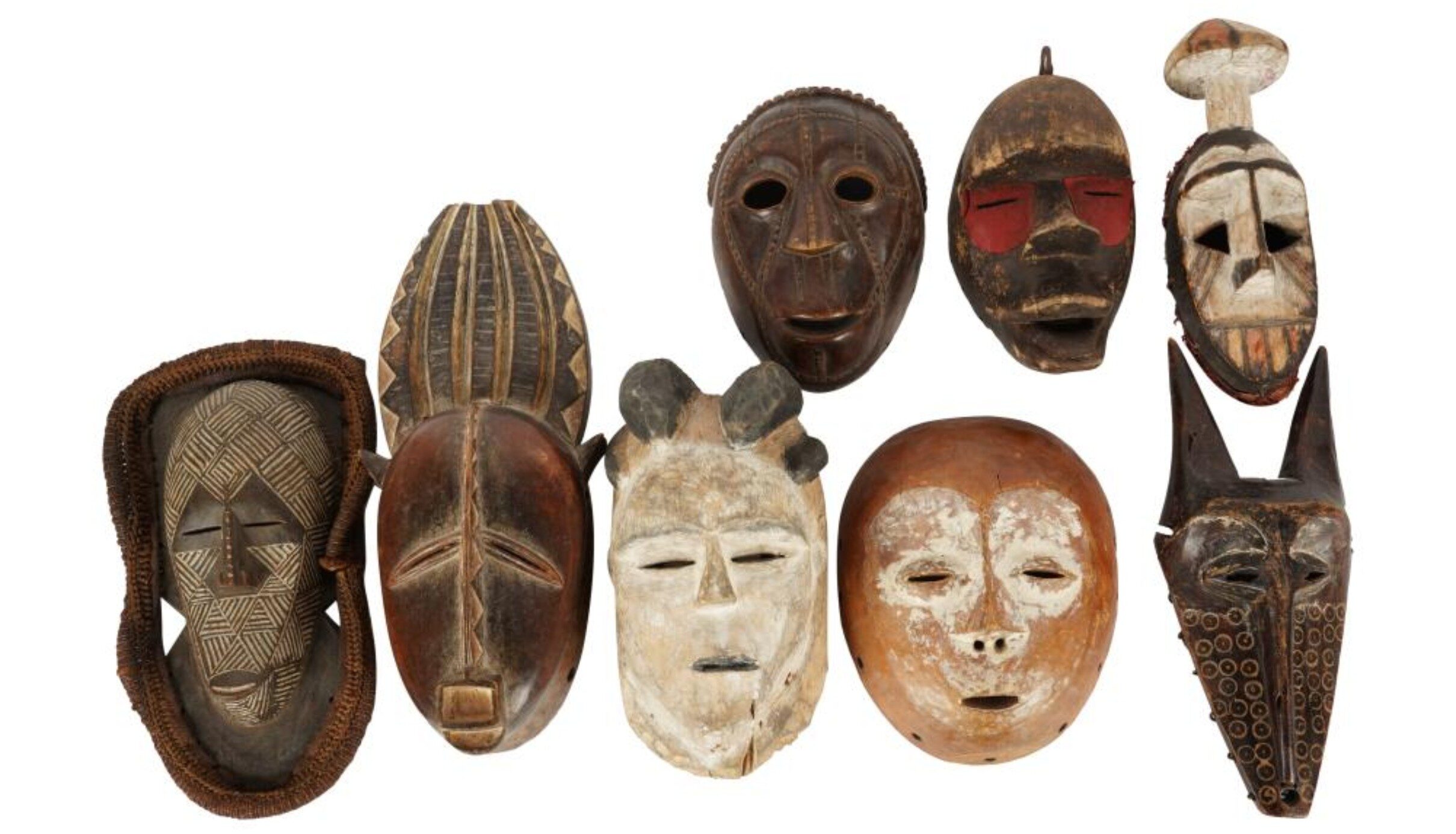
In museums, galleries, and private collections, African masks are usually presented as art objects—beautiful, mysterious, and visually striking. While they are artistic, reducing an African mask to decoration alone strips it of its original meaning.
In many African societies, masks were never created to be admired in silence. They were made to be used, activated, and experienced within a cultural system that involved people, music, movement, and community.
This article explains what an African mask truly is, how it has been used historically, and why its meaning goes far beyond aesthetics.
Quick Definition
What is an African mask?
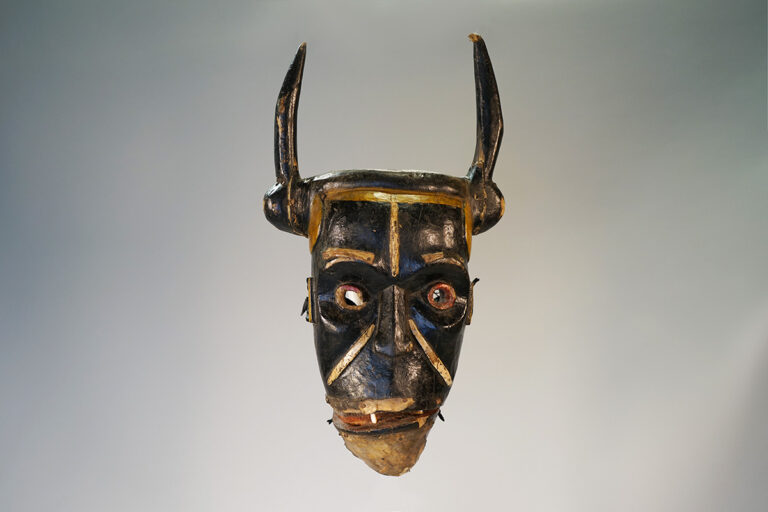
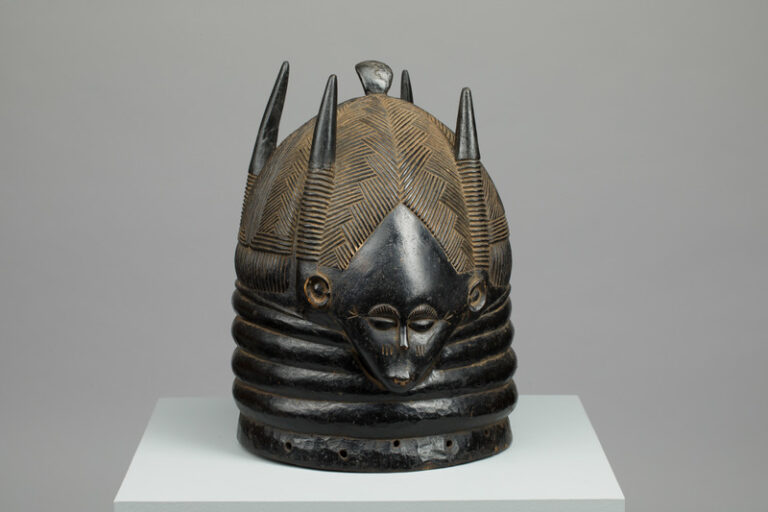
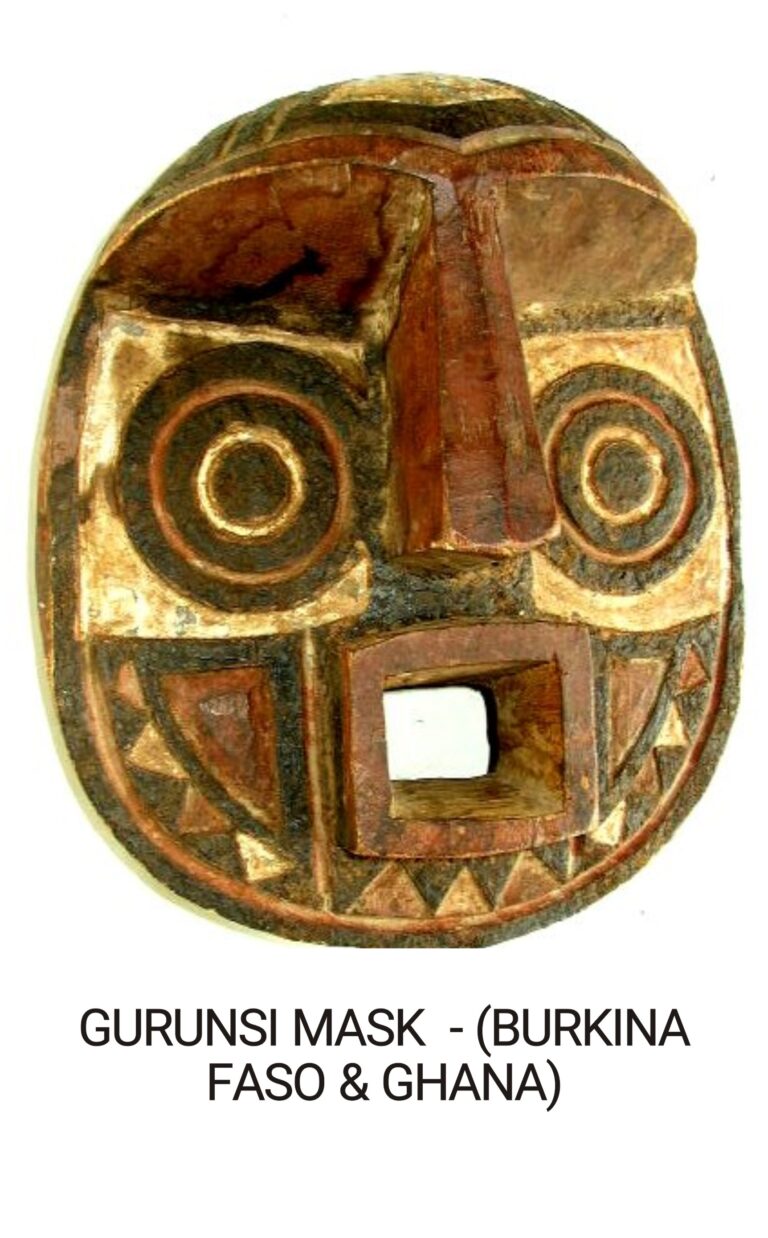
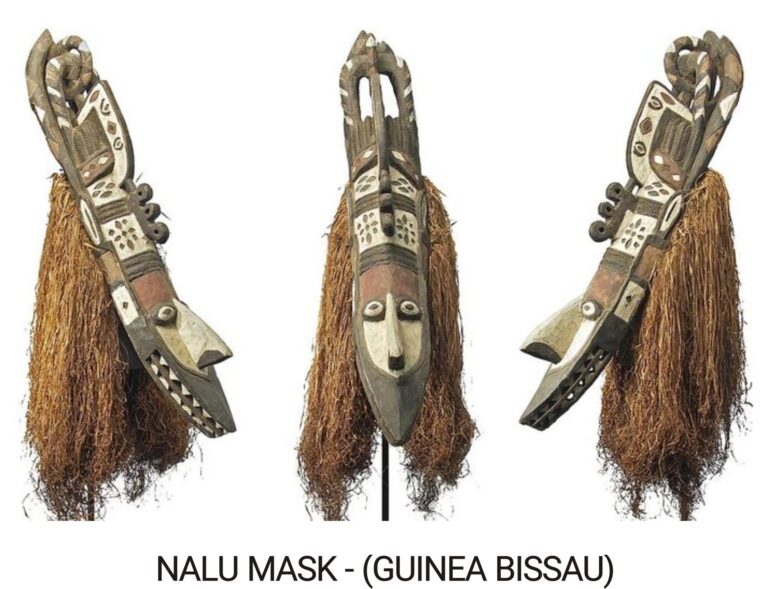
An African mask is a cultural object created for ritual, ceremonial, social, or spiritual purposes. It is designed to be worn or displayed temporarily during specific events and gains meaning through human participation.
African Masks Are Not Just Art Objects
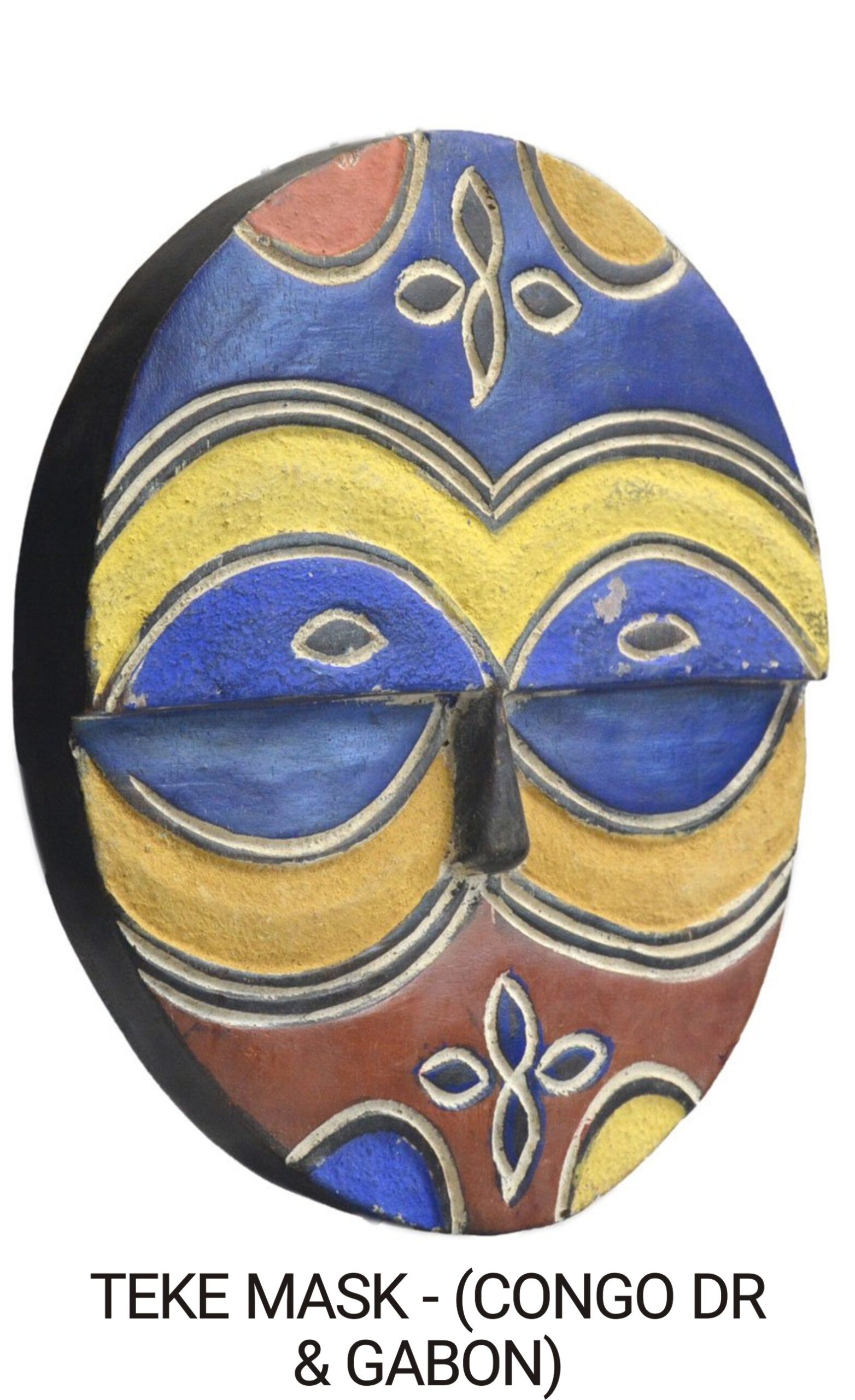
From a modern Western perspective, an African mask is often classified as:
- Sculpture
- Artifact
- Decorative art
- Collectible item
But in traditional African contexts, this classification is incomplete.
An African mask is better understood as a functional cultural instrument. Its value was not determined by how it looked on a wall, but by:
- When it appeared
- Who wore it
- Why it was activated
- What role it played in the community
Without context, an African mask is silent. With context, it becomes meaningful.
The Cultural Meaning of an African Mask
Across Africa, masks served many purposes, depending on the society that created them. While styles vary widely, the underlying principles are remarkably consistent.
African masks were commonly used to:
- Represent ancestors
- Mark transitions (birth, initiation, death)
- Enforce social order
- Communicate moral lessons
- Entertain and educate
- Connect the visible and invisible worlds
Importantly, the mask itself was never the focus. The focus was the event—the moment when the mask appeared and fulfilled its role.
African Masks and Human Participation
One of the most important things to understand about an African mask is this:
A mask does nothing on its own.
It requires:
- A wearer
- Music or rhythm
- An audience
- Cultural knowledge
This is why many African cultures do not separate the mask from the masquerade. The mask is part of a larger system that includes costume, dance, sound, and ritual behaviour.
Once the event ends, the mask is returned to a place of rest.
Where African Masks Traditionally Belong
Contrary to modern display practices, African masks were not traditionally kept in:
- Living rooms
- Bedrooms
- Public everyday spaces
Instead, they were often stored:
- In separate houses
- In shrines
- In communal structures
- In forested or restricted areas
This separation was intentional. Masks were meant to enter daily life only at specific moments.
This cultural reality explains why many Africans do not casually handle or display masks outside their intended context.
The Historical Origins of African Masks
African masks predate written history in many regions. They evolved alongside:
- Oral traditions
- Religious systems
- Political structures
- Agricultural cycles
Each society developed its own mask traditions based on:
- Environment
- Belief systems
- Social needs
- Available materials
Wood is the most common material, but African masks have also been made from:
- Cloth
- Metal
- Fibers
- Beads
- Animal elements
The materials themselves often held symbolic meaning.
Do African Masks Represent Spirits?
This is one of the most frequently asked questions.
In many African cultures, masks are not believed to be spirits. Rather, they serve as symbolic vessels through which ideas, values, or ancestral presence are expressed.
The mask does not function independently. Its meaning emerges through:
- Performance
- Timing
- Ritual preparation
- Collective belief
This distinction is important, especially in modern discussions where African masks are often mystified or sensationalised.
Why African Masks Still Matter Today
African masks continue to matter because they represent:
- Cultural memory
- Indigenous knowledge systems
- Community identity
- African philosophies of life and death
Even outside Africa, people often feel drawn to African masks because they carry layers of history, symbolism, and human intention.
This emotional response is explored further in the article:
“Why You Think an African Mask Called Out to You”
Learning About African Masks the Right Way
Understanding African masks requires more than casual observation. It requires:
- Cultural context
- Historical grounding
- Respect for original use
- Willingness to unlearn modern assumptions
For readers who want a deeper, structured exploration of African masks—covering meaning, purpose, and cultural boundaries—I have written a book that brings this knowledge together in one place.
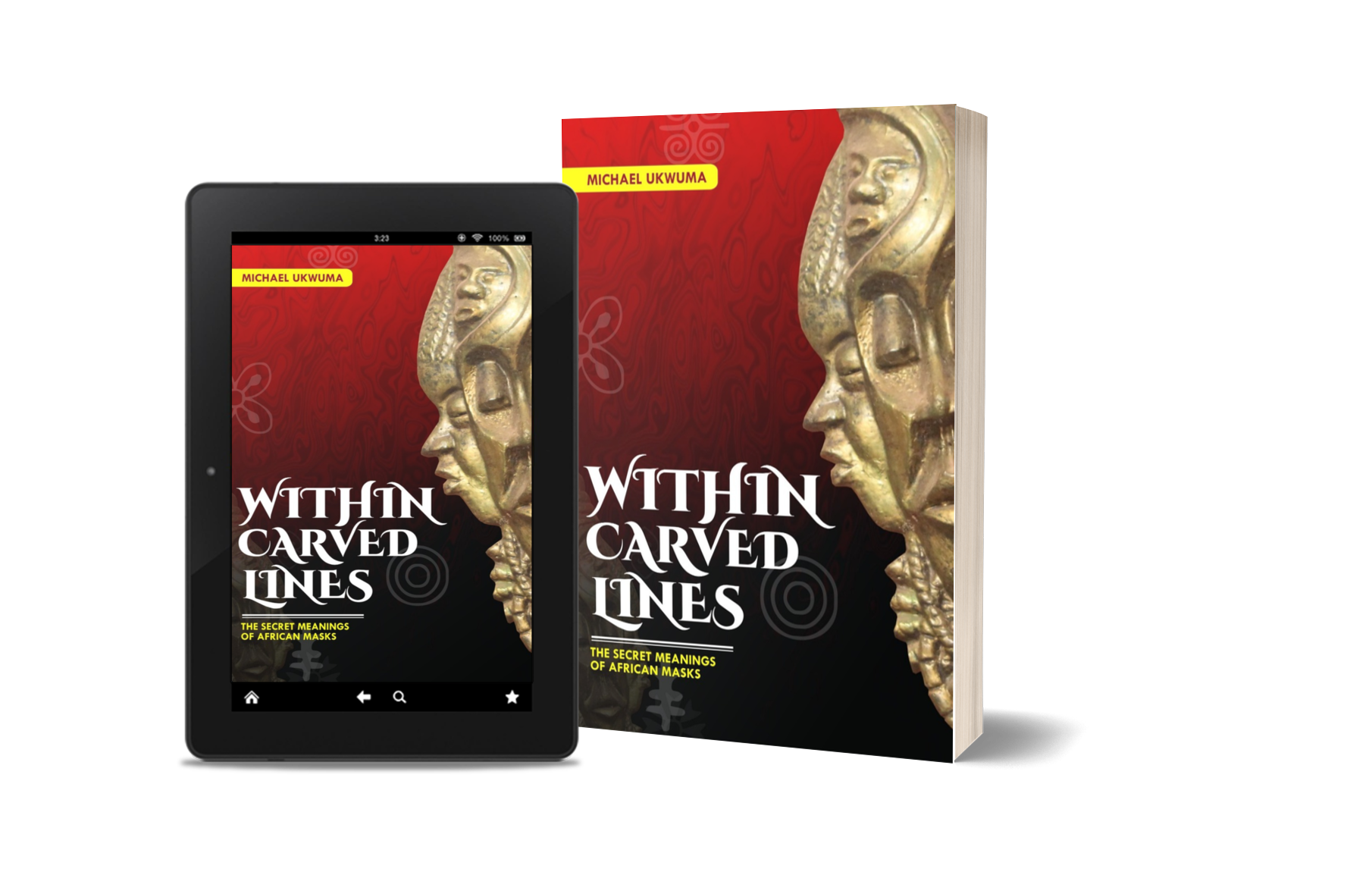
To get a copy of my Book, Within Carved Lines, click 👉 HERE
- “A complete guide to African masks”
- “Learn more about African masks and their cultural meaning”
This resource is especially useful for collectors, educators, and anyone seeking understanding beyond surface-level explanations.
Frequently Asked Questions About African Masks
Are all African masks spiritual?
No. Some African masks were purely social or performative, while others had ritual significance.
Can anyone wear an African mask?
Traditionally, no. Many masks were restricted to specific individuals or groups.
Are African masks meant to be displayed?
Traditionally, masks were displayed temporarily during events—not permanently in homes.
Why do African masks feel powerful?
Because they combine symbolism, history, human participation, cultural memory and spiritual energy.
Final Thoughts
An African mask is not just an object—it is a moment, a role, and a cultural expression.
To understand African masks properly, we must move beyond decoration and ask:
- Who made it?
- Why was it made?
- When was it meant to appear?
- What role did it serve?
When we ask better questions, African masks begin to make sense—not as mysteries, but as meaningful cultural creations.