What It Means to Own an African Mask Outside Africa
Owning an African mask outside its place of origin is not inherently wrong—but it does come with responsibility.
African masks were created within specific cultural systems. When they leave those systems, their meaning does not vanish. It changes. Understanding that change is the key to owning an African mask respectfully, confidently, and without fear.
This article explains what it really means to own an African mask outside Africa, culturally, ethically, and practically.
Quick Answer
What does it mean to own an African mask outside Africa?
Owning an African mask outside Africa means becoming a cultural custodian rather than a ritual participant. The mask shifts from ceremonial function to historical and symbolic representation.
Ownership vs Custodianship
Traditionally, African masks were not “owned” in the modern sense.
They were:
- Held by communities
- Maintained by designated groups
- Used temporarily
- Returned to storage
Outside Africa, ownership becomes custodianship. This means:
- Preserving context
- Avoiding misrepresentation
- Understanding limits of use
What Changes When a Mask Leaves Its Culture
When an African mask is removed from its cultural environment:
- Ritual function ends
- Performance context disappears
- Communal authority dissolves
What remains is:
- Artistic craftsmanship
- Symbolic form
- Historical significance
This shift does not make the mask empty—it makes it interpretive.
Common Misunderstandings About Ownership
“Does owning a mask invite something into my space?”
No. Cultural objects do not function outside their systems.
“Do I need to perform rituals?”
No. Ritual without cultural authority is imitation, not tradition.
“Is it disrespectful to display a mask?”
It depends on how and why it is displayed.
Ethical Display Practices
Responsible ownership includes:
- Clear educational framing
- Avoiding sensational language
- Not attributing false powers
- Respecting cultural origins
A mask displayed as art and history is different from one framed as mystical or dangerous.
The Role of Museums and Collectors
Museums and collectors play a major role in how African masks are understood globally.
Best practices include:
- Proper labeling
- Cultural sourcing transparency
- Avoiding exoticization
- Providing historical context
Private owners can follow similar principles.
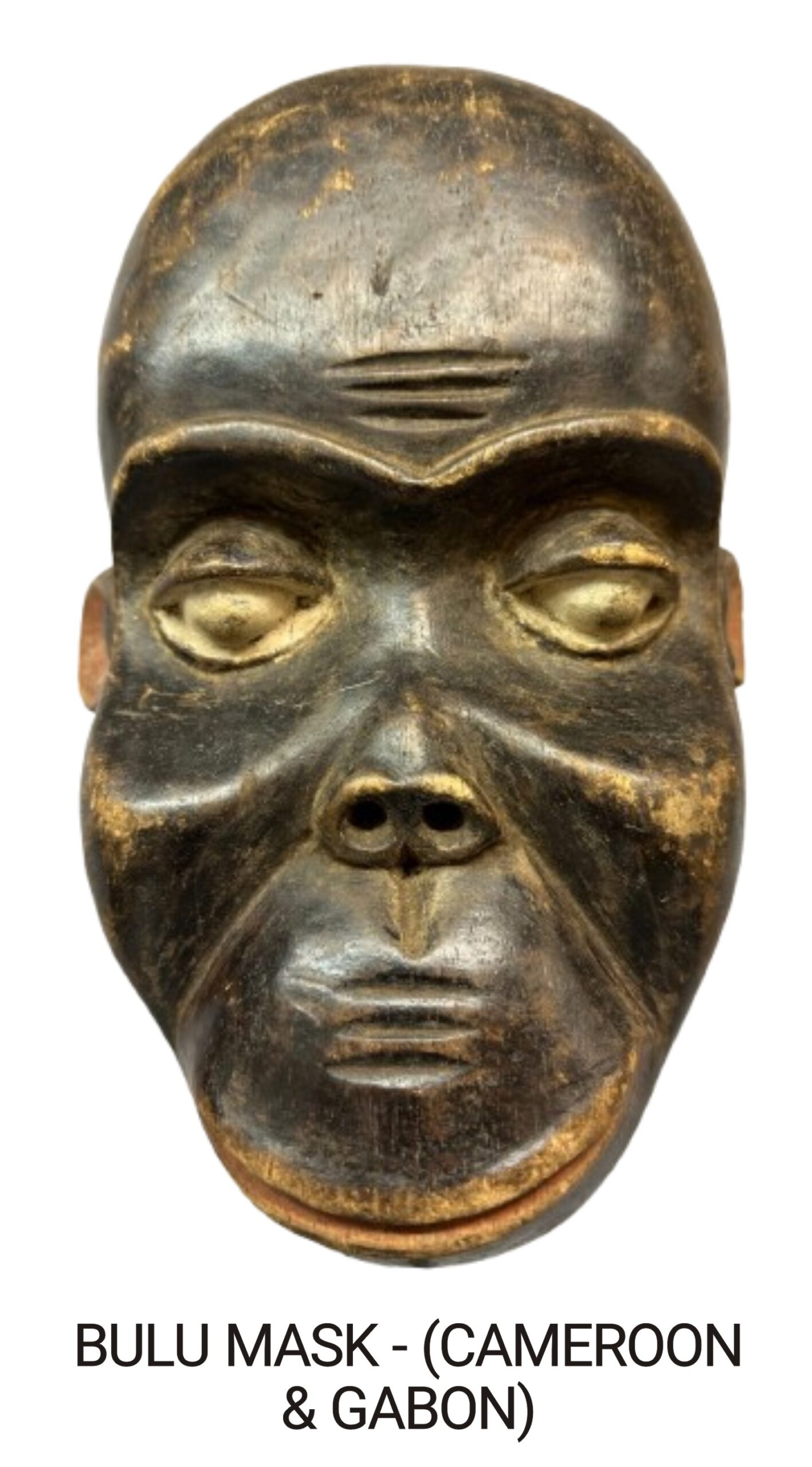
Why Fear Often Appears After Purchase
Many owners report discomfort after acquiring a mask.
This often happens because:
- They encounter conflicting narratives online
- Popular culture exaggerates spiritual danger
- Context is missing
Fear thrives in ignorance. Understanding dissolves it.
When Ownership Becomes Appreciation
Ownership becomes appreciation when:
- The mask is studied
- Its culture is respected
- Myths are questioned
- Curiosity replaces fear
At that point, the mask becomes a bridge—not a burden.
Also, explore the full cluster:
- What Is an African Mask? Meaning, History, and Cultural Purpose
- Do African Masks Have Spirits? Cultural Truth vs Popular Myth
- Why You Think an African Mask Called Out to You
- Why African Masks Are Not Home Décor
- Where African Masks Are Traditionally Kept and Why
- Why African Masks Feel Powerful to Some People
Together, these articles create a complete understanding.
Turning Knowledge Into Confidence
Owning an African mask outside Africa requires clarity, not anxiety.
For readers who want a structured, culturally grounded guide—covering ownership, interpretation, ethics, and modern context—I have written a book that consolidates this entire knowledge system into one accessible resource.
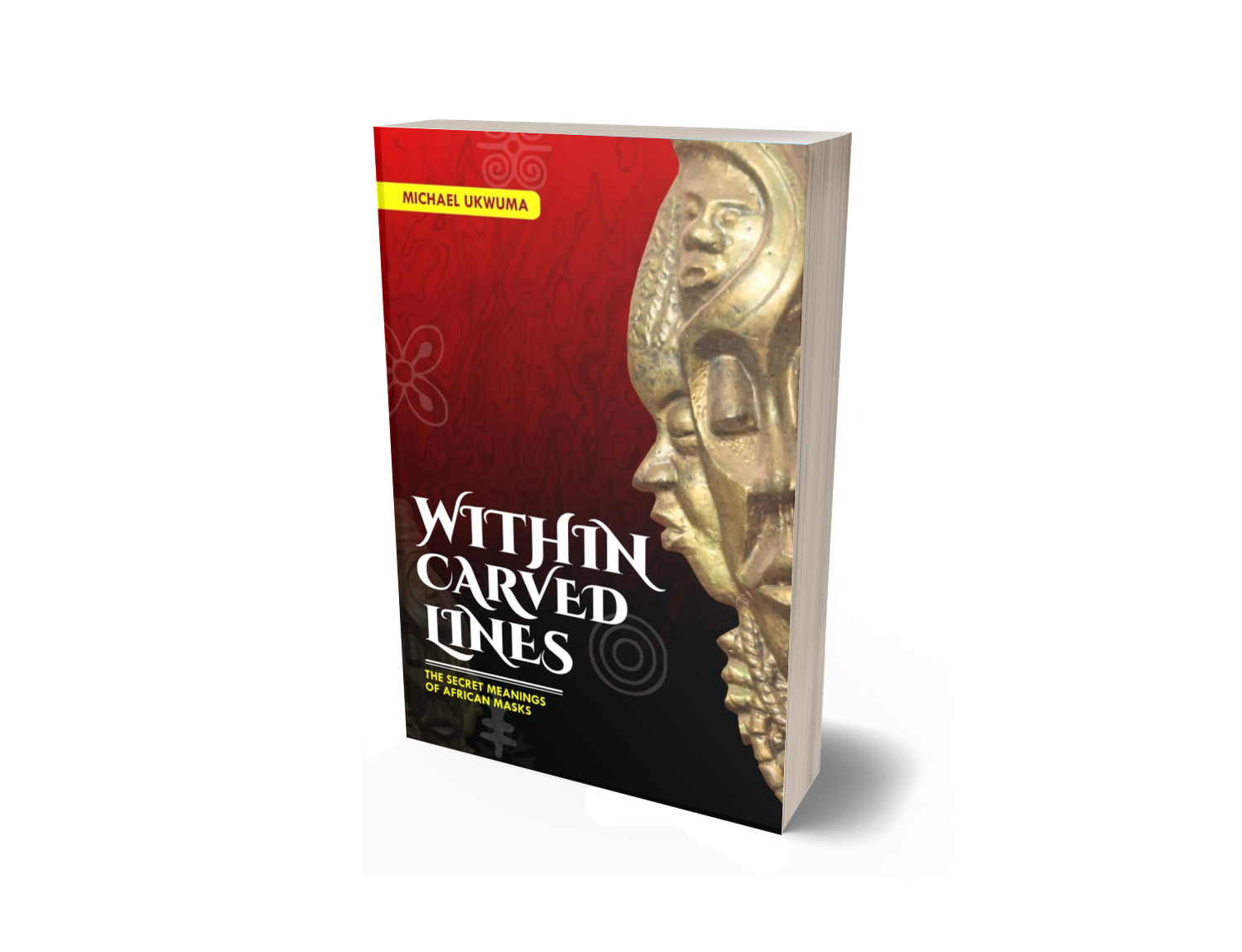
To get “an in-depth guide to African masks and their meaning, as well as to understand how African cultures understand masks, get my book, Within Carved Lines.
Frequently Asked Questions
Can African masks be displayed in homes?
Yes, when framed as art and history.
Do African masks lose meaning outside Africa?
They lose ritual function, not cultural significance.
Is it better to avoid owning them entirely?
No. Informed ownership supports preservation and understanding.
Final Thoughts
An African mask outside Africa is no longer a ritual tool.
It is a cultural artifact, a historical object, and a conversation starter.
Ownership does not demand fear or mysticism—only respect, context, and understanding.
When approached thoughtfully, an African mask becomes a symbol of learning, not confusion.