Where African Masks Are Traditionally Kept and Why
An African mask was never meant to exist everywhere.
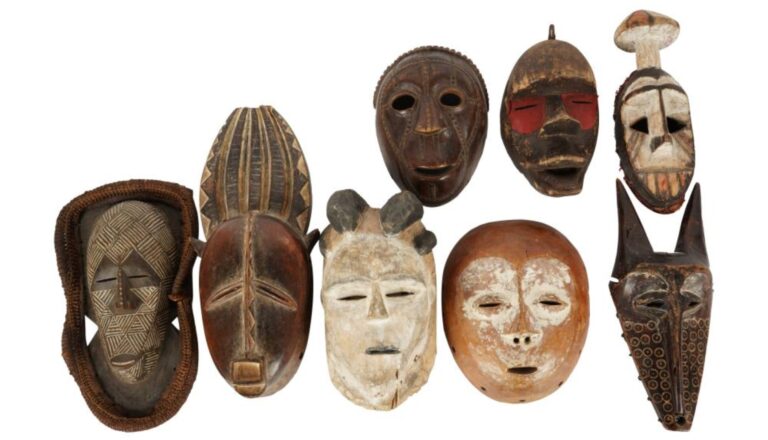
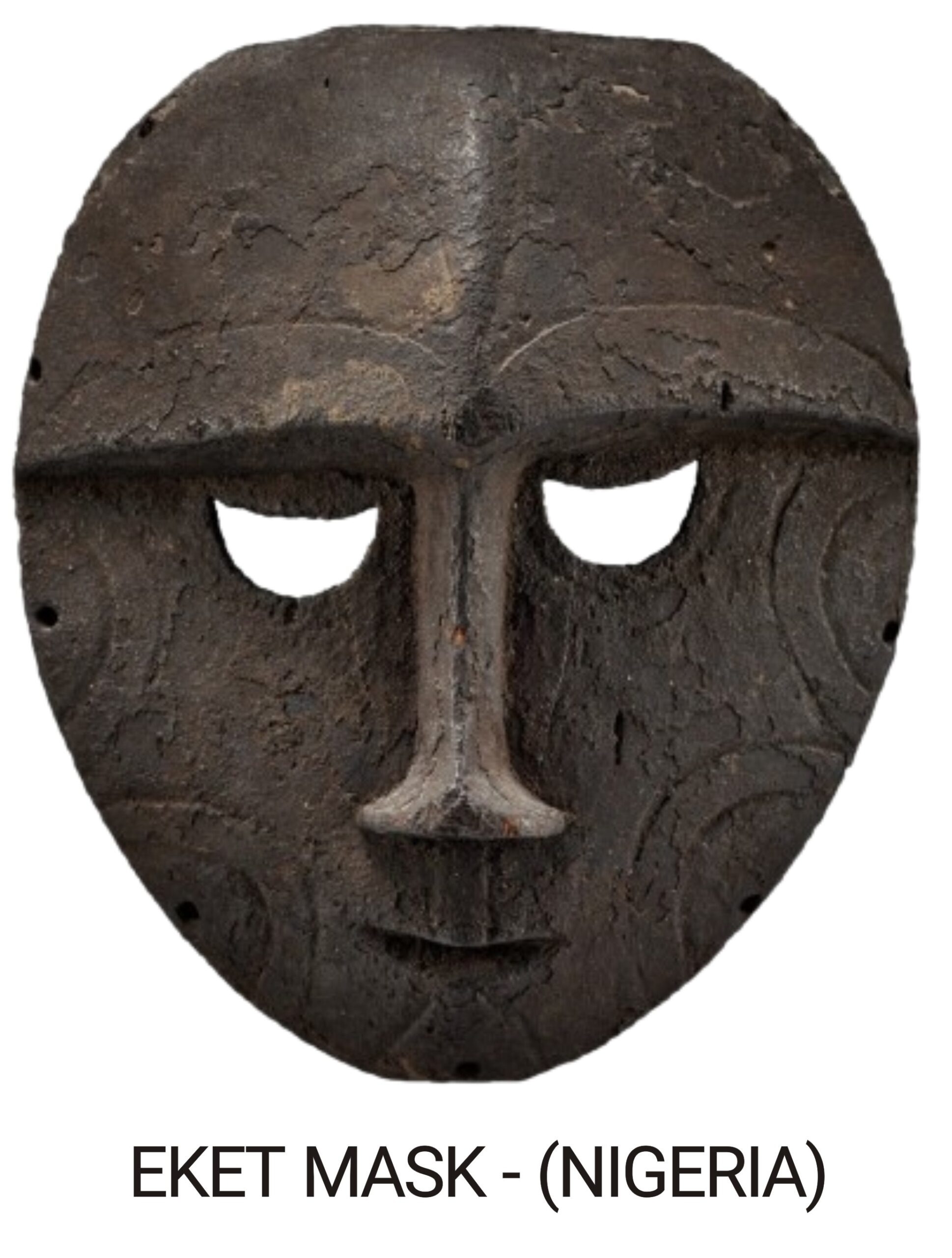
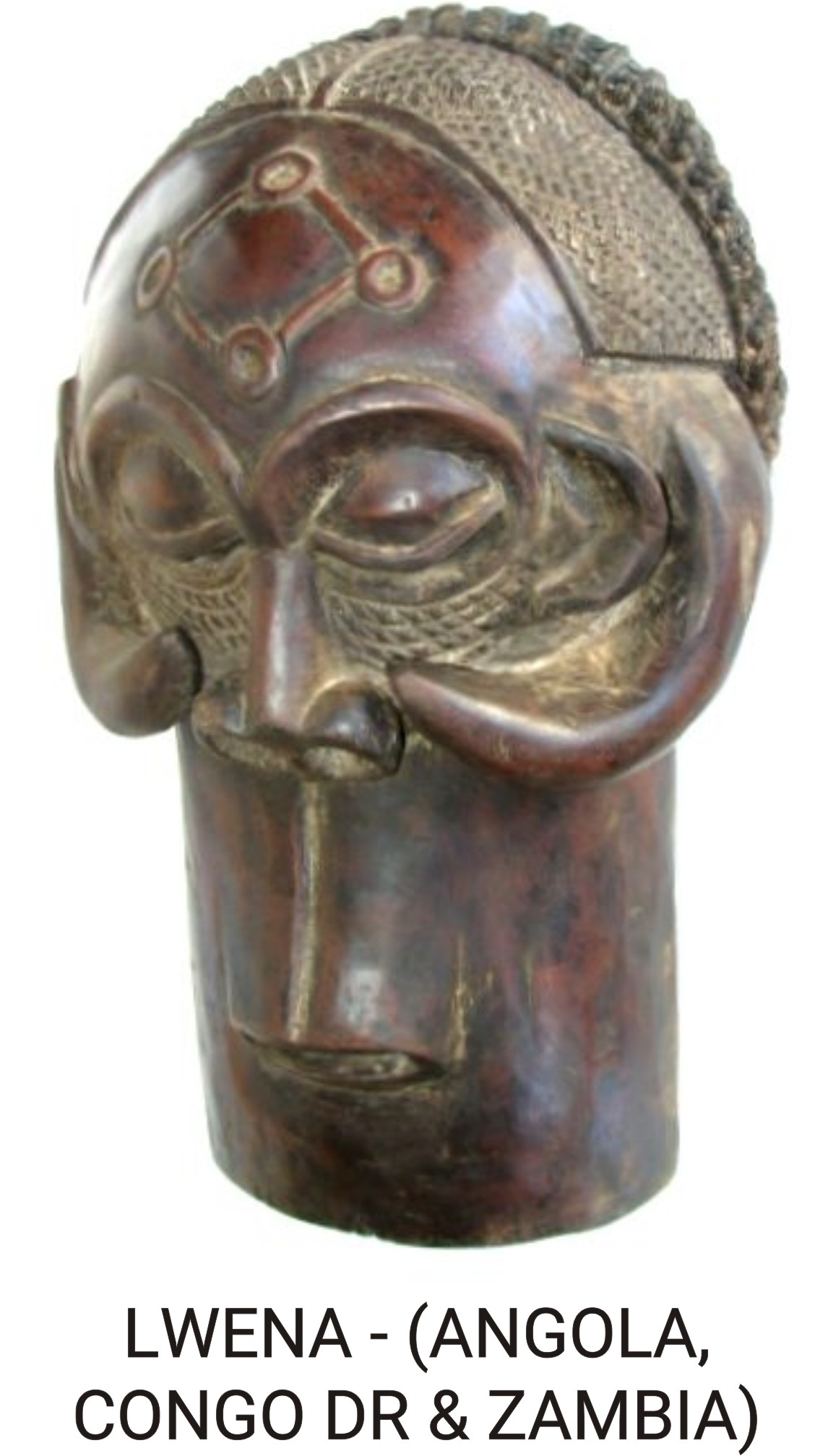
In traditional African societies, masks were carefully placed, moved, and stored according to clear cultural rules. These rules were not arbitrary. They reflected deep understandings of space, function, timing, and social order.
This article explains where African masks were traditionally kept, why those locations mattered, and what modern misplacement often overlooks.
Quick Answer
Where are African masks traditionally kept?
African masks were traditionally kept in separate structures such as shrines, mask houses, sacred groves, or restricted communal spaces. They were not stored in everyday living or sleeping areas.
Why Location Matters in African Mask Culture
In many African worldviews, space is meaningful.
Different spaces serve different purposes:
- Living spaces are for daily human activity
- Ritual spaces are for ceremonial and symbolic activity
- Sacred spaces are for restricted access and preparation
African masks belong to the ritual category, not the domestic one.
Placing a mask in the wrong space disrupts its cultural logic—even if no one is consciously aware of it.
Common Traditional Storage Locations for African Masks
While practices vary across regions, several patterns appear consistently.
1. Mask Houses or Mask Shrines
Many communities built dedicated structures specifically for masks. These were not museums but functional spaces where masks:
- Rested between appearances
- Were protected from casual handling
- Were prepared before ceremonies
Access was often limited to elders, initiates, or designated custodians.
2. Sacred Groves and Forest Areas
Some masks were stored in:
- Forested areas
- Sacred groves
- Remote locations away from villages
These environments reinforced the separation between daily life and ritual life. The distance itself carried meaning.
3. Communal or Restricted Compounds
In certain societies, masks were kept in:
- Chief’s compounds
- Elder-controlled spaces
- Men’s houses or society lodges
These locations emphasised authority, continuity, and tradition.
Why African Masks Were Not Kept in Homes
African homes were spaces of:
- Family life
- Rest
- Intimacy
- Daily routines
Masks, on the other hand, represented:
- Collective authority
- Ritual presence
- Symbolic transformation
Mixing the two was avoided to maintain balance.
This is why African masks were not traditionally placed in:
- Bedrooms
- Living rooms
- Kitchens
- Personal sleeping areas
Timing: Masks Are Stored More Than They Are Seen
Another important point is frequency.
African masks spent most of their existence stored, not displayed.
They appeared:
- During specific seasons
- At designated events
- When culturally appropriate
Once their role was fulfilled, they returned to rest.
This rhythm preserved both meaning and impact.
What Happens When Masks Are Always Visible?
Constant visibility weakens symbolic power.
When an African mask is always present:
- It loses its sense of occasion
- Its role becomes ambiguous
- Its cultural message fades
Traditional systems avoided this through intentional separation.
Modern Displacement and Cultural Confusion
When African masks are removed from their traditional environments and placed into:
- Museums
- Private homes
- Galleries
- Commercial spaces
They become vulnerable to misinterpretation.
This displacement often leads to questions such as:
- “Why does this mask feel unsettling?”
- “Is this mask spiritual?”
- “Should this mask be here?”
The discomfort comes from cultural misalignment, not danger.
Please explore these related articles to gain a full picture:
Together, these articles explain not just what African masks are, but how they function within cultural systems.
Learning African Mask Culture Responsibly
Understanding where African masks belong is part of learning how to engage with them respectfully.
For readers seeking a deeper, structured explanation of African masks—including storage practices, cultural boundaries, and traditional usage—I have written a book that brings these insights together clearly and accessibly.
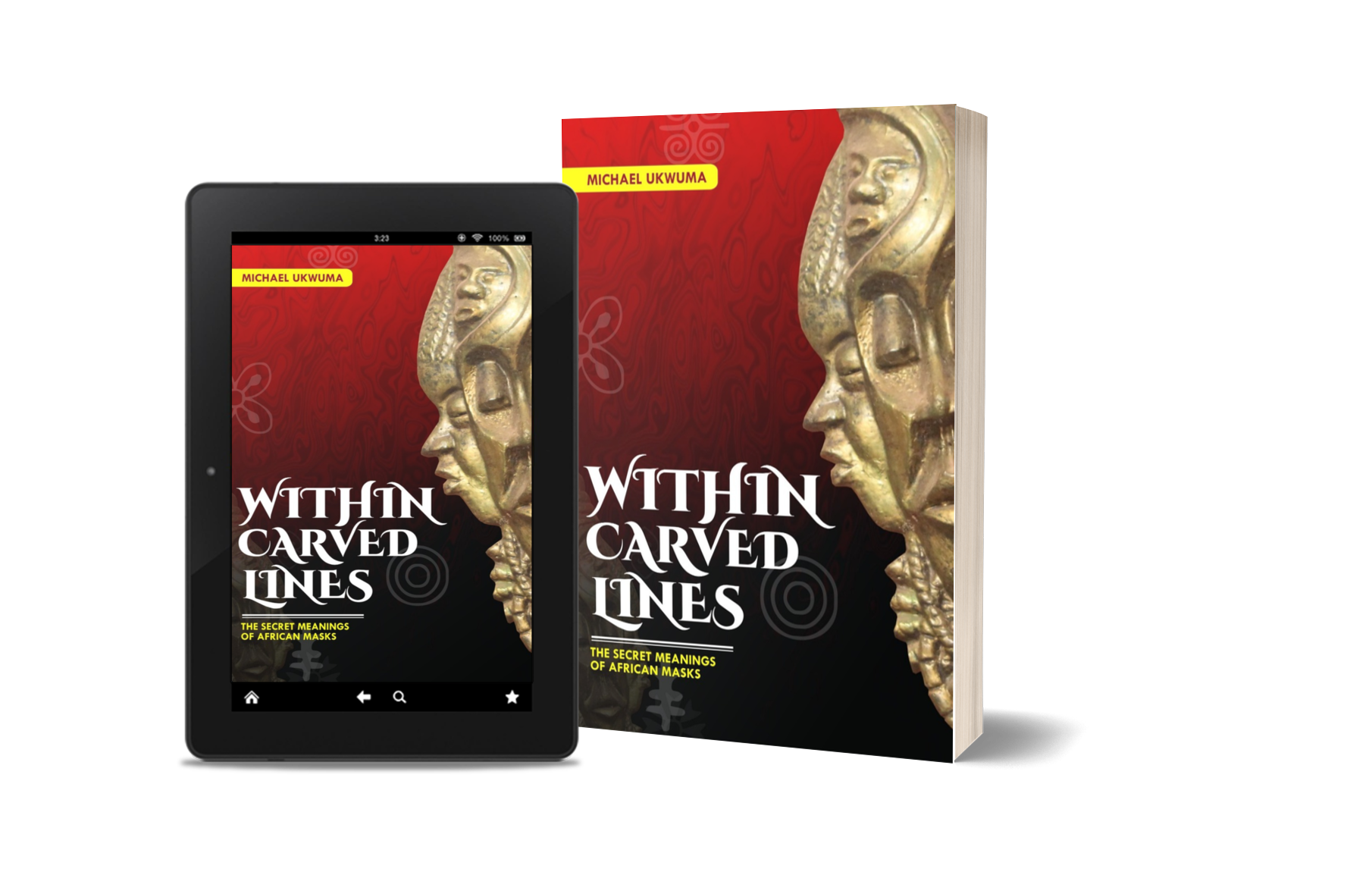 To get “an in-depth guide to African masks and their meaning, as well as to understand how African cultures understand masks, get my book, Within Carved Lines.
Frequently Asked Questions
Are African masks sacred?
Some were used in sacred contexts, others in social ones. Storage reflected their role.
Can African masks be kept safely today?
Yes, with understanding and respect for cultural boundaries.
Why were masks kept away from daily life?
To preserve ritual order, symbolic meaning, and cultural clarity.
Final Thoughts
An African mask belongs to a system of time, space, people, and purpose.
Understanding where masks were traditionally kept helps us understand why they mattered and how they functioned without confusion or fear.
Respecting space is one of the simplest—and most powerful—ways to respect culture.