A Mask in a Museum Is a Mask Frozen at the Moment of Death
The clearest way I know to explain what a mask means to Africans is to show you what disappears when you take it away.
What the museum gives
I want to be fair. When a mask goes into a museum, good things happen. The wood is protected, often better than it would be in a humid forest. Its beauty can be studied closely in a way a moving performance does not allow. Scholars can measure it, photograph it and write about it.
What the museum takes
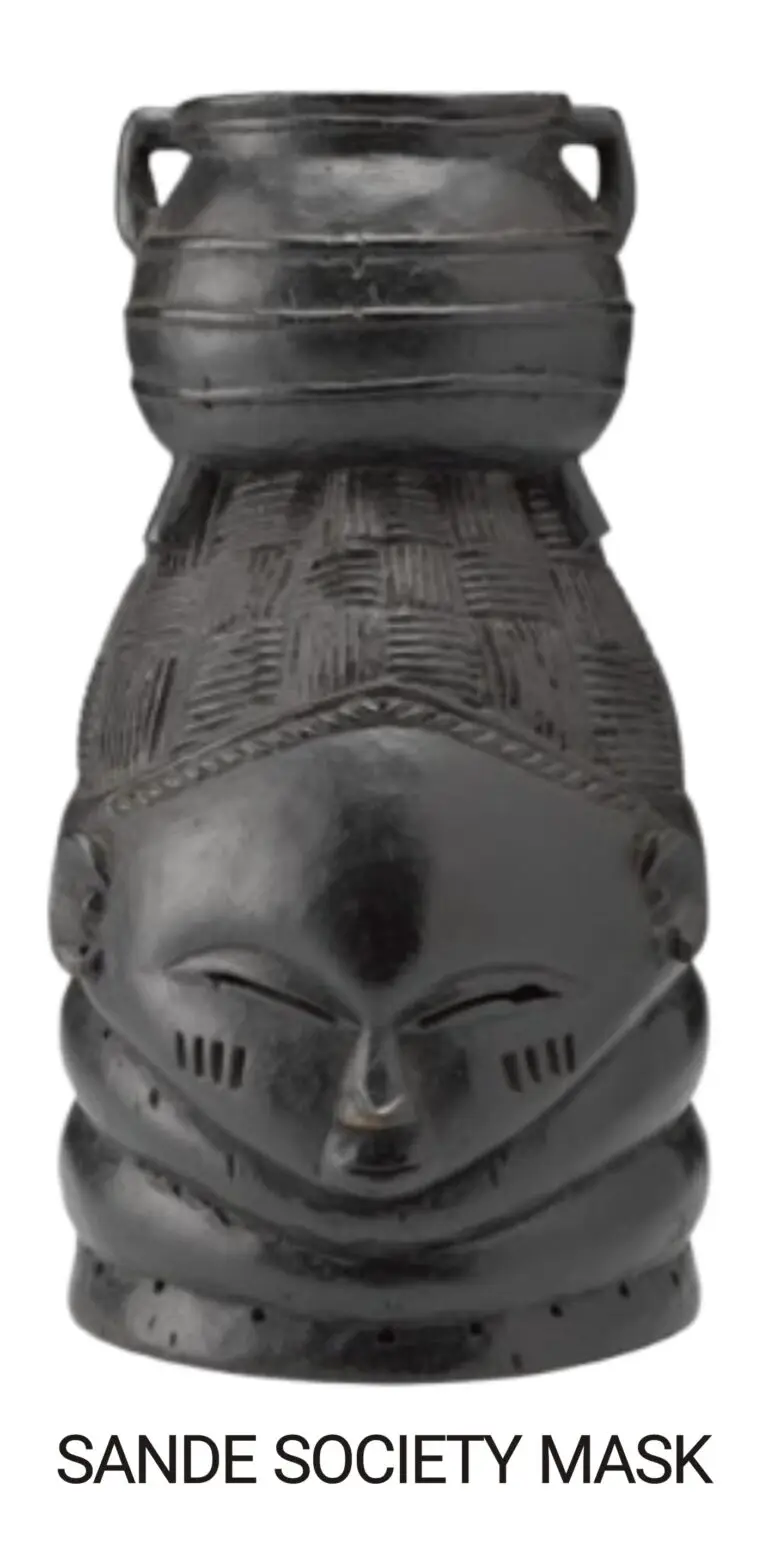
But the mask is also killed. Its activation does not travel with it: the songs, the preparation, the gathering of the community, the particular day it came out. Its relationships are cut: the family line that cared for it, the society that danced it, the people who received it. What you see behind the glass is not a mask that was saved. It is a mask frozen at the moment of death.
What I learned growing up
As an Igbo man raised in Nsukka, there are three things my own tradition taught me long before any book did.
The fear is real. When a powerful masquerade enters your space, the awe people feel is not a performance or a leftover superstition. You feel something vast arrive, something not entirely gentle. That is the right response of a human being in front of something bigger than human.
The rules matter because the relationship matters. Do not touch. Do not follow. Do not look back. Do not call the masquerade by the name of the man inside. These are not random rules. They are the manners of a relationship, the same way you would carry yourself carefully before a powerful elder.
The knowledge is a gift, not a possession. The deepest mask knowledge is held by particular families and offices on behalf of the whole community. An elder who dies without passing it on correctly has failed a sacred duty. It was never his to keep.
Masks are memory
Before written records, the masquerade carried the memory of a people: the names of ancestors, what they did, how they stood with the divine. Every generation of performers was also a generation of librarians. That is why I call masks archives.
Think of Queen Idia’s ivory mask from the Benin Kingdom. It was made to honour the mother who secured her son’s throne. It is beautiful, but beauty is not why it exists. It is a statement about lineage, power and the gratitude owed to women who raise great rulers. To see it only as art is to read the cover and miss the book.
What this means for you
I am not saying every mask should be sent home tomorrow without thought. The situation is more complicated than that. I am saying that whenever you look at a mask, in a museum, a gallery or your own living room, you are looking at one piece of something much larger. The living tradition is the real subject. The object is what remains.
This piece comes from my book, Within Carved Lines: The Secret Meanings of African Masks. If it spoke to you, the book goes much deeper.