Cultural Heritage Sponsorship for Companies: What a Fair Partnership Looks Like
Cultural heritage sponsorship is easy to start and hard to do well. A company writes a cheque, a logo goes on a banner, and a photograph is taken with a smiling elder. Six months later the community has nothing to show for it except a plaque. If your company wants to support African cultural heritage, here is what a fair partnership looks like, and the questions you should ask before you sign anything.
I write this as someone who has watched both versions. When it goes right, a sponsor pays for what the community says it needs, and the heritage stays where it belongs. When it goes wrong, the sponsor ends up owning the story.
Ownership stays with the communityHERITAGE SPONSORSHIP
Start With Who Owns the Heritage
Masks, songs, dances and rituals are not corporate assets. They belong to the communities that made them, and in many cases to specific families, societies or age groups inside those communities. Some of it is not meant to be shown at all. Before a company funds a recording, an exhibition or a digital archive, it needs to find out who has the right to say yes. That is rarely one person. It is usually a council of elders, a society or a custodian family.
Ask for consent in plain terms. What will be recorded? Where will it be shown? Who can use it later? A sponsor that cannot answer those questions should not be funding the project yet.
What Companies Usually Get Wrong
The first mistake is the short timeline. Heritage work runs on the community’s calendar, not the financial year. A festival happens when it happens. An elder speaks when he is ready. A project that must be finished by March will tend to skip the people who matter.
The second mistake is branding. A logo on a sacred object, a ritual or a ceremony is an insult, whatever the intention. Put the name on the report, the archive or the school programme instead.
The third is taking the content. Some sponsors quietly ask for exclusive rights to what they fund. That turns support into extraction. A fair agreement leaves the rights with the community and gives the sponsor credit and access.
What a Fair Cultural Heritage Sponsorship Agreement Includes
A good agreement is short and clear. These are the points I would insist on.
- Written consent from the recognised custodians of the heritage.
- Ownership of recordings, photographs and archives stays with the community, and the sponsor receives a licence to display them for named purposes.
- Money goes first to the people doing the work, including local researchers, translators, elders and young apprentices, paid fairly and on time.
- A plan for what happens after the funding ends, so the archive does not vanish with the last invoice.
- Public reporting in plain language, so that the community can see where the money went.
- A right for the community to withdraw material it later decides should not be public.
A Short Example of the Difference
Picture two sponsors. The first funds a festival film and keeps the footage. The second funds the same film, pays the elders who advised it, and hands the community the master copy. Five years later the first company has a video and a complaint. The second has a partner. The money was the same. The agreement was not.
Why Long Funding Beats Big Funding
A large one time gift feels generous, but heritage work is slow. Recording a language takes years. Training a young person to carve, weave or keep a calendar takes longer. A modest commitment over three to five years does more than a spectacular grant that runs out in one. It also builds trust. Communities remember who stayed.
Consider what a young apprentice needs: a teacher, tools, a place to practise and a living wage while learning. None of that arrives in a single season. When sponsors fund the whole chain, the tradition has a future. When they fund only the performance, it has an audience and nothing else.
Think of it as planting rather than building. You are not putting up a monument. You are helping something living to keep growing.
Where Digital Work Fits
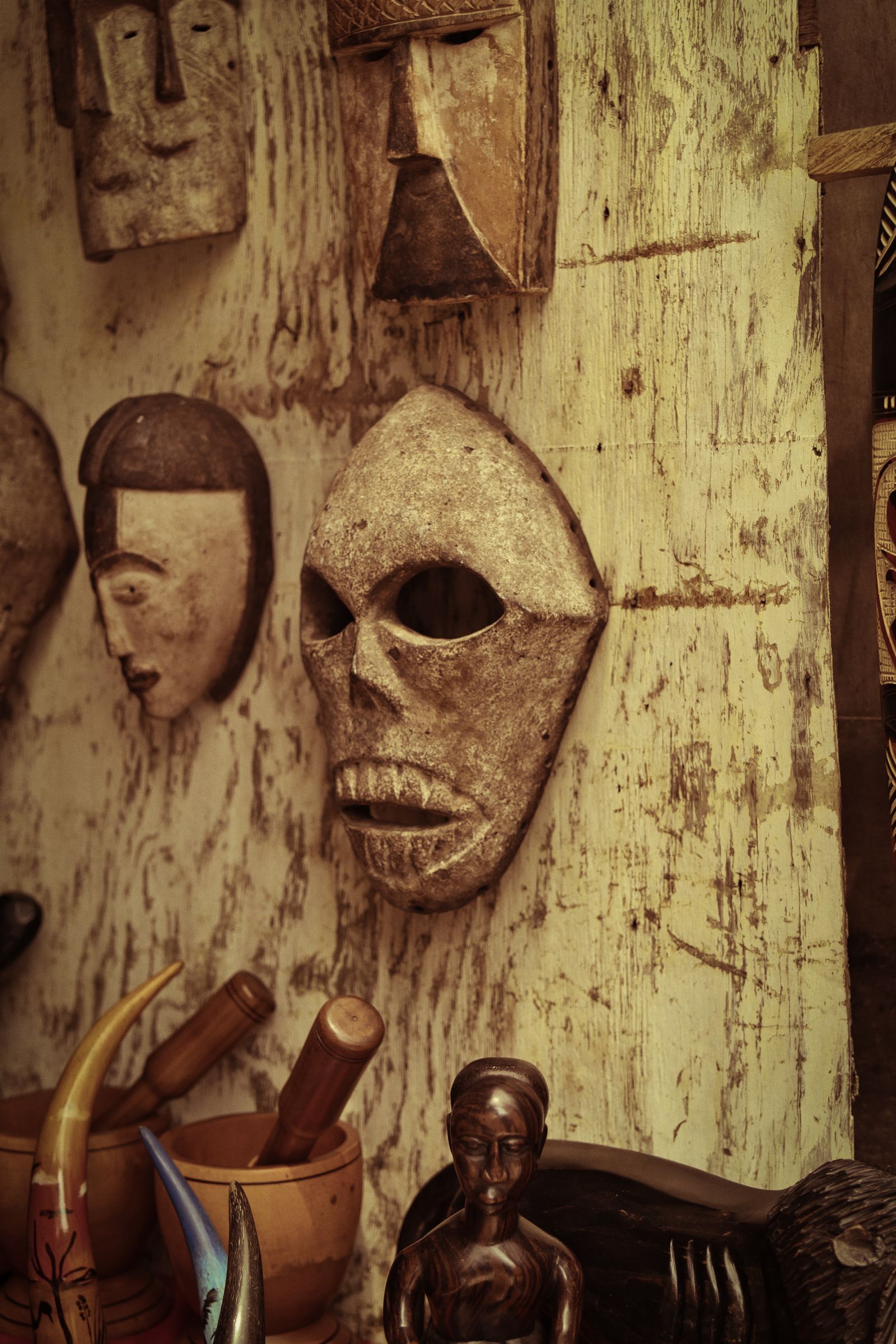
Digital archives are one of the best uses of corporate money, because they protect fragile knowledge from fire, flood and neglect. Our Mask Database is an example of this kind of work. It records masks and the cultures behind them so that people can learn without needing to travel.
But digital work carries a risk. A published record can be copied and misused. That is why consent and access rules need to be set before anything goes online, and why a sponsor should never push for publication faster than the community is ready for.
Questions to Ask Before Your Company Says Yes
Who are the custodians, and have they agreed? What do they want funded? Who keeps the rights? How long will you commit? How will the money reach the people doing the work? What will you publish, and what will you leave unseen? If your team can answer these, you are ready to start. If not, you are ready to ask more questions, and that is not a delay. It is the work.
Talk to Us About Cultural Heritage Sponsorship
SEVICS Africa works on documentation, education and public storytelling for African cultural heritage. If your company wants to support that work in a way that keeps ownership with communities, visit our Corporate Support page or get in touch. You can also see what the work looks like on the SEVICS Africa YouTube channel.