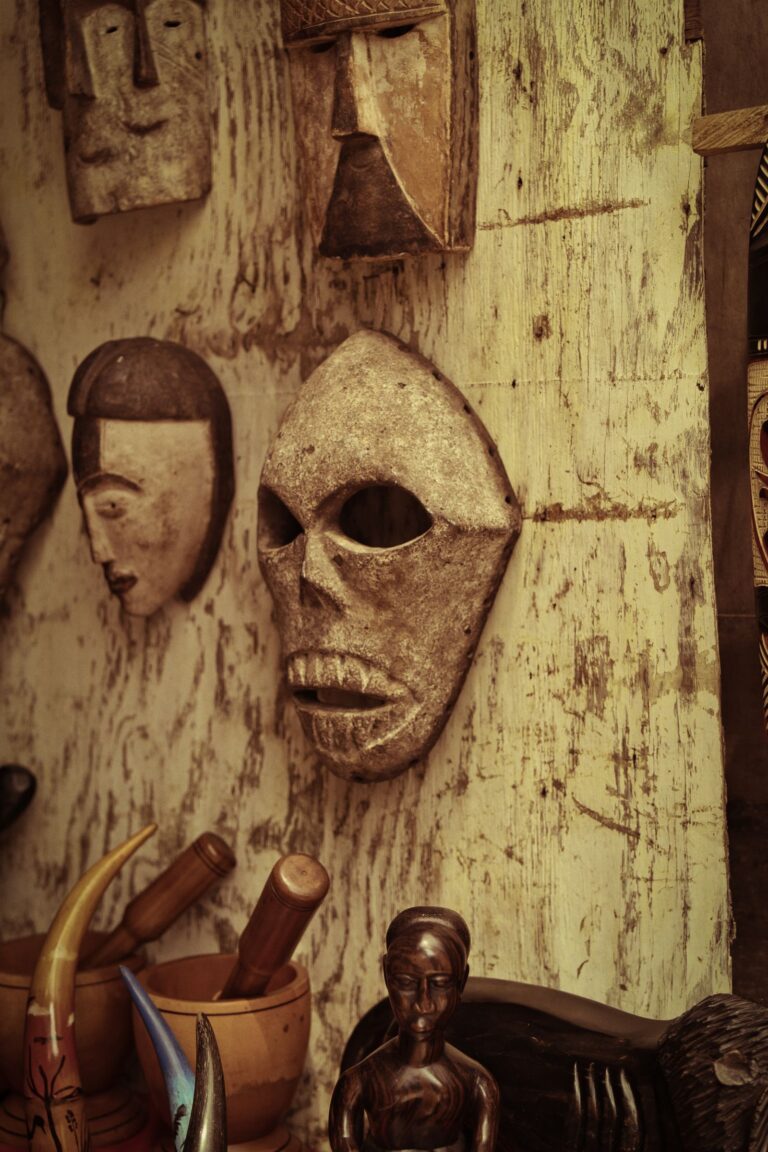
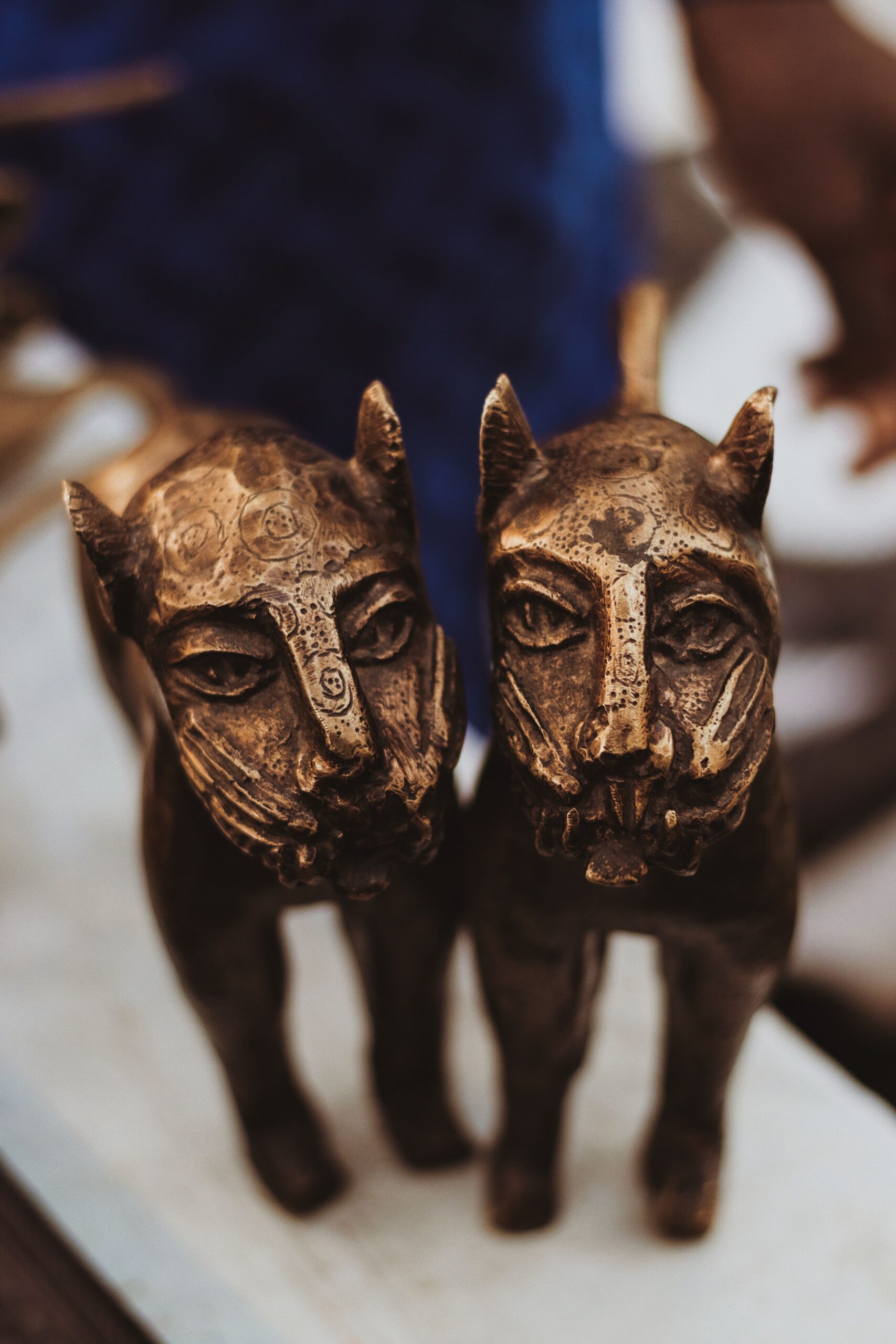
Bringing African Masks Home: Inside Africa’s Campaign to Reclaim Looted Heritage
In 1977, Nigeria asked the British Museum for one thing. Let the ivory mask of Queen Idia travel home, just for a festival, just for a few weeks. The answer was no. That mask, carved for a queen mother of the Benin Kingdom, became the emblem of FESTAC 77 anyway, printed on posters and currency and passports across Nigeria, even though the actual object never left London. Nearly fifty years later, bringing African masks home is no longer a quiet request passed between museum directors. It is a continental campaign, carried by governments, historians, artists, and ordinary people who are done asking politely for what colonial soldiers took by force.
This is the story behind that campaign. Not a single headline, not one dramatic handover ceremony, but the slow, deliberate, often frustrating work of getting African heritage back into African hands. If you read our earlier piece on the five iconic African treasures still held in European collections, consider this the next chapter. That post showed you what was taken. This one is about what it will actually take to bring it home.
Why These Objects Left Home in the First Place
None of this happened by accident or by trade. In February 1897, a British force invaded the Kingdom of Benin, in what is now Edo State, Nigeria. This is remembered as the Benin Expedition, or the Punitive Expedition, and the name tells you exactly what it was. British officials framed it as retaliation for an earlier ambush of a trade delegation, but the outcome was total. Benin City was burned. The Oba was exiled. Thousands of brass plaques, bronze heads, carved ivories, and ceremonial objects, including the ivory mask of Queen Idia, were seized from the royal palace.
Those objects were not simply stored as war trophies. Many were formally auctioned off in London to cover the cost of the military campaign itself. That detail matters, because it means the looting and the profit from it were part of the same colonial transaction. The pieces scattered across the British Museum, the Ethnologisches Museum in Berlin, the Weltmuseum in Vienna, the Quai Branly in Paris, and dozens of smaller institutions and private collections.
Nigeria was not alone in this. British forces looted treasures from Maqdala in Ethiopia in 1868. French forces looted royal regalia from the Kingdom of Dahomey in the 1890s. The pattern repeats across the continent. Punitive expeditions doubled as looting expeditions, and the objects taken were almost never simple souvenirs. They were crowns, staffs, ancestral carvings, and masks that carried spiritual and political weight for the people who made them. Taking them was never only about the object. It was about taking a kingdom’s memory of itself.
The Mask That Refused to Be Forgotten
The Queen Idia mask is worth sitting with, because it shows how a single object can outlive its own captivity. Carved from ivory, believed to represent the mother of a sixteenth century Oba of Benin, it was looted in 1897 along with everything else. Decades later, when Nigeria hosted the Second World Black and African Festival of Arts and Culture in 1977, organizers chose that same mask as the festival’s symbol. They asked the British Museum for a loan. They were refused, reportedly over concerns about the object’s fragility and insurance.
So Nigeria did something else. It put the mask on the festival’s official emblem anyway, drawn from photographs, everywhere the eye could land. The object stayed in London. The image came home. That gap between the physical mask and its meaning to Nigerians is, in many ways, the whole argument for repatriation of African masks in one small story.
What Bringing African Masks Home Actually Involves
This is the part people often get wrong. Repatriation is not a museum director having a change of heart and shipping a crate overnight. It is closer to diplomacy than to charity, and it usually moves through several stages.
First comes provenance research, tracing exactly how an object left its place of origin, who took it, who sold it, and who holds legal title now. Second comes negotiation, often between national governments, museum boards, and traditional authorities like the Benin royal court, sometimes stretching across years of meetings. Third comes documentation, increasingly digital, where institutions photograph and catalog objects in high detail before any physical transfer, so scholars and communities have a record regardless of where the object physically sits. Fourth, and this surprises a lot of people, restitution does not always mean the object disappears from public view forever. Some agreements include loan arrangements, joint exhibitions, or shared custody while new museums are built to receive returned pieces properly.
That last point matters for Nigeria specifically. Plans for the Edo Museum of West African Art in Benin City, along with the collaborative Digital Benin project that catalogued looted objects across dozens of institutions worldwide, are part of building the infrastructure that makes real, sustained return possible, not just a one time photo opportunity.
Where the Campaign Stands Now
Progress has been real but uneven. Several German museums have formally transferred ownership of Benin Bronzes back to Nigeria in recent years, a shift that took the Benin Dialogue Group, a coalition of European museums, Nigerian officials, and the Benin royal palace, many years of sustained talks to reach. A handful of British universities have returned individual pieces as well. The British Museum itself remains constrained by UK law that restricts it from permanently deaccessioning most of its collection, which is why campaigners are pushing for legislative change in London, not just a change of attitude.
Nigerian voices are not united on every detail either. Questions remain about whether returned objects should go to the federal government, to Edo State, or directly to the Oba’s palace, since these are the descendants of the very institution the objects were taken from. That disagreement is not a weakness in the campaign. It is what a real, living restitution movement looks like when the people involved actually care about the outcome.
How You Can Help Bring the Masks Home
You do not need a museum job or a law degree to be part of this. You can support the campaign by staying informed and sharing accurate history instead of vague outrage. You can support organizations doing provenance research and digitization work, since that documentation is the quiet backbone of every successful return. You can push cultural institutions, wherever you live, to be transparent about what they hold and how they got it. You can simply talk about it, on social media, in classrooms, around dinner tables, because public pressure is often what moves museum boards faster than internal committees do.
At SEVICS Africa, this is exactly the work we care about. Read more on the objects still held in captivity in our piece on five iconic African treasures in European collections, then visit our campaigns page to see how you can get involved directly. We also unpack these stories in more depth on the SEVICS Africa YouTube channel, where we walk through the history behind specific masks and bronzes still waiting to come home. The campaign to reclaim looted heritage is not owned by any single museum or government. It belongs to everyone who still recognizes these objects as family.
Watch the series
This topic is part of a video series on the SEVICS AFRICA YouTube channel. Find the playlists on African history, identity and returning home, and on owning an African mask, here. If you own a mask and want to know what it is, send photos through Identify a Mask.