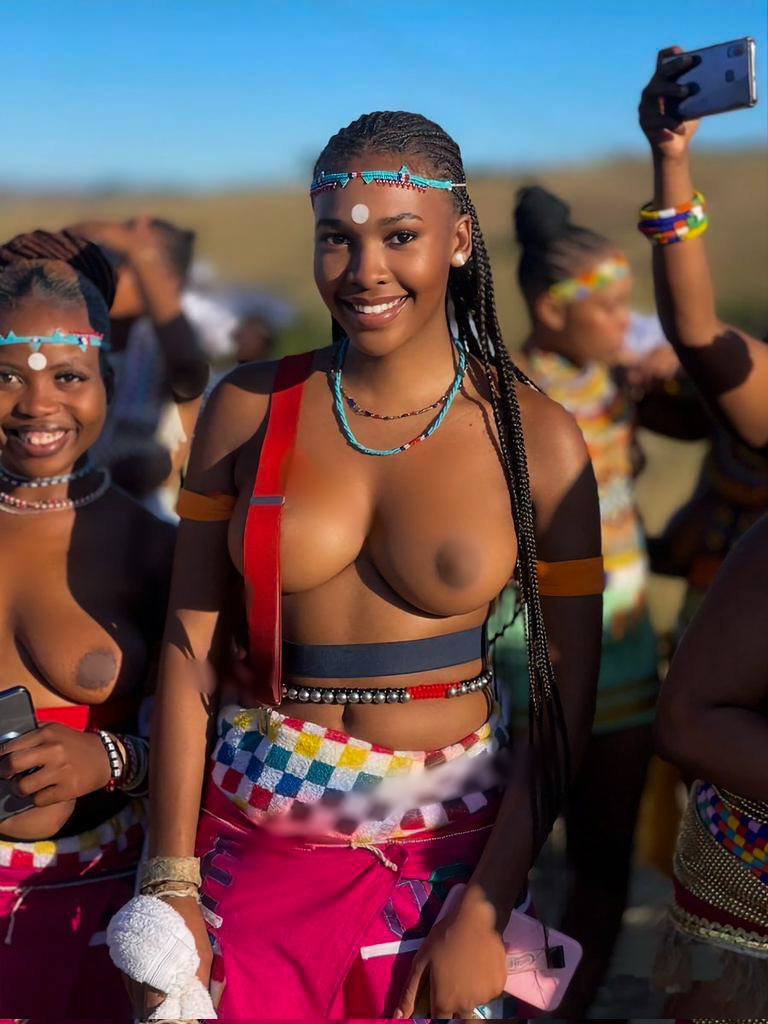
Nudity in Africa | Cultural Diversity, Historical Context, and Critiques of Western Interpretations
The discourse surrounding nudity in African contexts has long been shaped by external perspectives, often leading to misconceptions that frame traditional attire as primitive or indecent. In reality, African approaches to clothing and body coverage reflect profound cultural, environmental, and social principles that prioritize functionality, identity, and communal harmony over imposed notions of modesty. This article examines the multifaceted nature of African dressing practices, exploring why certain traditions involve minimal coverage, the symbolic elements of attire across diverse societies, and the historical forces—particularly colonialism and religious imposition—that have distorted global understandings. By drawing on anthropological insights and historical evidence, it challenges the hypocrisy inherent in Western critiques and advocates for a nuanced appreciation of Africa’s rich sartorial heritage.
The Fundamental Purposes of Clothing in African Societies
Humans are unique among animal species in their reliance on external coverings for survival and social interaction, utilizing animal skins, plant fibers, and woven fabrics to create layers of protection and expression. In African contexts, however, the necessity and extent of clothing have historically been influenced by practical considerations rather than universal moral imperatives. Archaeological evidence indicates that Africans developed textile production as early as the 13th century, predating extensive trans-Saharan trade networks, with communities crafting garments from locally sourced materials such as cotton, bark cloth, and leather.
Clothing in Africa serves multiple interrelated functions, varying significantly across regions due to the continent’s immense diversity—encompassing over 3,000 ethnic groups across 55 nations. Key determinants include:
- Gender Distinctions: In most societies, men’s and women’s attire differ markedly, reflecting roles, status, and aesthetic traditions. While some communities feature overlapping styles, gender-specific designs predominate.
- Age and Life Stages: Children often wear minimal or no coverings, symbolizing innocence and freedom from adult responsibilities. Upon reaching puberty or completing rites of passage, individuals adopt more elaborate garments, signifying maturity and the assumption of social obligations.
- Occupation and Role: Attire communicates professional or communal function. Hunters may wear lightweight, durable skins for mobility; warriors adorn themselves with protective and intimidating elements; traditional rulers display opulent fabrics and accessories to denote authority.
- Ethnic Identity: Clothing acts as a visual marker of origin. For instance, among neighboring groups in Nigeria such as the Tiv and Idoma, similar structural designs are distinguished primarily by color palettes—black and white for the Tiv, red and black for the Idoma. Zulu warriors in southern Africa are recognizable by their distinctive shields and beadwork, while North African nomadic groups favor flowing robes suited to arid environments.
- Status and Power: Affluence and influence are conveyed through abundance—layers of jewelry, rare fabrics, and intricate embellishments. Titles earned through achievement are visibly affirmed, reinforcing social hierarchies.
- Religious and Ceremonial Contexts: Spiritual leaders, whether indigenous shamans or Islamic clerics, incorporate symbolic elements into their dress. Festive occasions elicit vibrant, colorful ensembles, contrasting with everyday wear and underscoring communal joy.
These factors illustrate that African clothing is not merely utilitarian but a sophisticated system of non-verbal communication, embedding cultural values and historical continuity.
Components of Traditional African Attire: A Holistic Ensemble
Traditional African dress extends beyond mere fabric to encompass a comprehensive array of elements that adorn and protect the body.
- Base Coverings: Garments range from full-body wraps in cooler or more conservative regions (e.g., North African djellabas) to minimal aprons or beadwork in warmer climates. Materials include woven textiles, animal hides, and plant-based fibers, with historical evidence confirming indigenous production long before colonial contact.
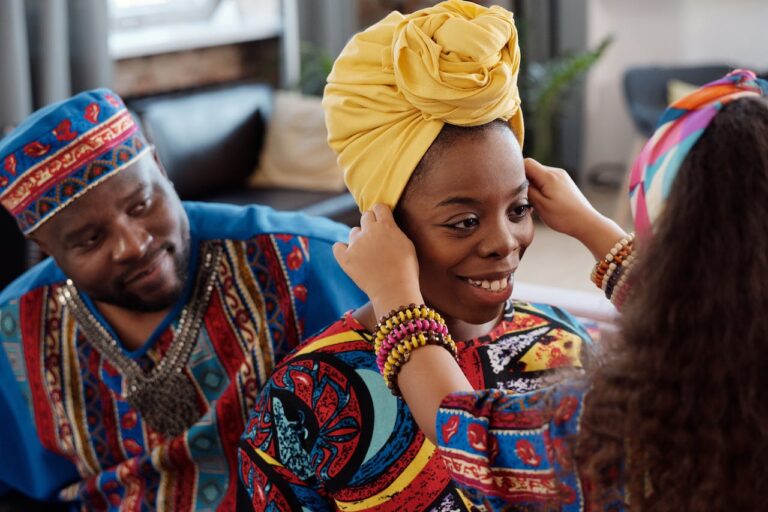
- Headgear: Nearly ubiquitous across cultures, head coverings—ranging from elaborate turbans and beaded caps to sculpted hairstyles—signify respect, status, and beauty. Examples include the mirrored and beaded hats adopted by Calabar communities in Nigeria, originally imported but fully integrated into local symbolism.
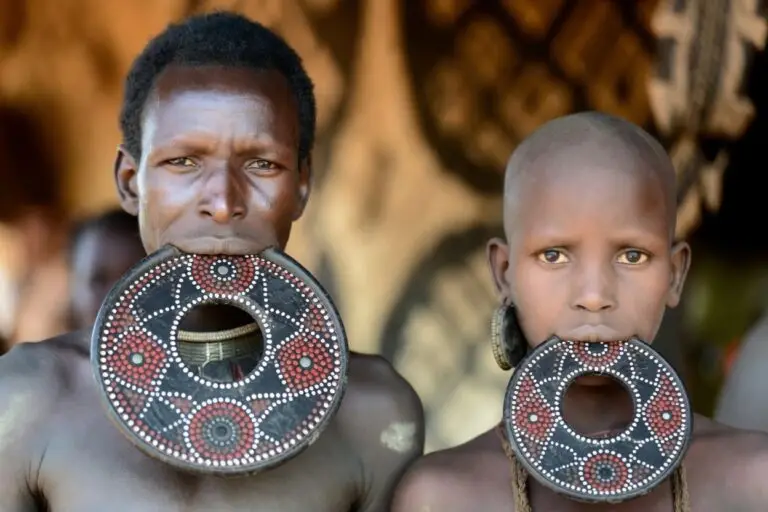
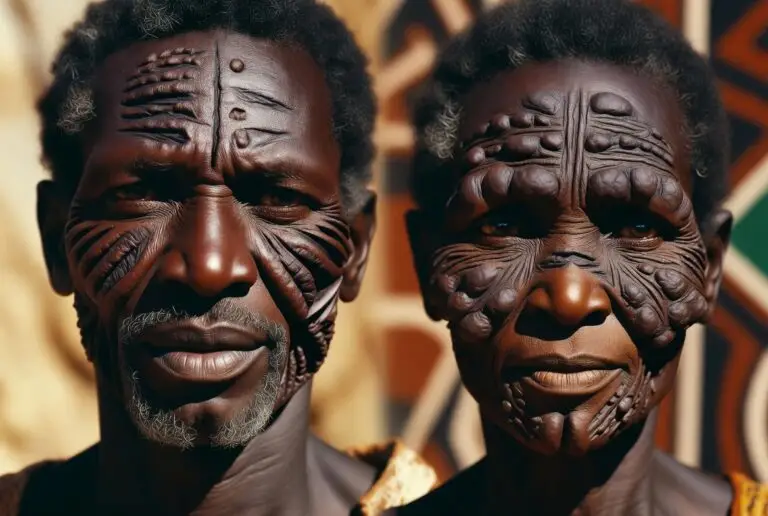
- Body Art and Modifications: Scarification, tattoos, piercings, and temporary markings serve protective, aesthetic, and spiritual purposes. In some traditions, embedding natural materials beneath the skin fosters a perceived bond with the environment, enhancing resilience. Among the Himba of Namibia, a reddish ochre paste mixed with fat is applied daily, functioning as both sunscreen and cultural identifier. Similarly, Dinka communities in South Sudan use clay to style hair, creating striking visual effects.
- Jewelry and Adornments: Africans are renowned for extensive use of ornaments—beaded necklaces, bracelets, anklets, and coils—crafted from metals, shells, bones, and beads. These items denote wealth, marital status, and ethnic affiliation, with groups like the Maasai and Fulani exemplifying layered extravagance.
- Cosmetics and Enhancement: Body painting and makeup are integral, with Wodaabe men in West Africa employing elaborate facial designs to compete in beauty contests, challenging gender stereotypes in adornment.
- Accessories: Handheld items such as staffs, fans, horns, or ceremonial fly whisks complete the ensemble, symbolizing authority or used practically in rituals
This holistic approach underscores that even minimal-coverage traditions constitute “full” dress within their cultural frameworks, where body art and accessories fulfill roles equivalent to fabric in other societies.
Critiquing External Judgments: Hypocrisy and Double Standards
Western interpretations frequently label minimal African attire as “nudity,” while overlooking comparable practices elsewhere. European nudist beaches and festivals are celebrated as liberating engagements with nature, yet similar traditional practices in Africa are deemed uncivilized. Clown costumes in Western entertainment are benign, whereas African masquerades—serving analogous performative roles—are historically vilified as demonic.
Such inconsistencies trace to colonial eras, when European arrivals, emerging from repressive Victorian societies, projected sexualized views onto free-expressing African bodies. Pre-colonial trade with Arab Muslims proceeded without moral condemnation of varying coverage levels, suggesting that European perversion stemmed from their own cultural constraints rather than objective standards.
Morality claims further unravel under scrutiny: Historical accounts indicate low incidences of sexual violence in many minimally clothed African societies, governed by strong communal respect. Contemporary rises in such issues correlate more with urbanization and external influences than traditional dress.
Historical Impacts: Colonialism, Religion, and Cultural Disruption
Colonialism systematically devalued African attire to assert superiority. “Elevated” locals received Western garments as rewards, fostering internalized inferiority and aspirations toward suits and ties. Religious missionaries reinforced this by declaring indigenous dress immodest, requiring “proper” church attire for spiritual acceptance—a notion persisting in diaspora communities today.
These interventions disrupted organic cultural evolution, imposing foreign standards that equated coverage with civilization. Yet, archaeological and ethnographic records affirm that clothing choices were adaptive responses to climate—tropical heat favoring breathability over heavy layers unnecessary in temperate zones.
Contemporary Nudist Traditions and Their Persistence
Nudist or semi-nudist practices endure in isolated communities, such as the Koma people of Nigeria’s Plateau State, discovered in recent decades living atop mountains with minimal external influence. They adopt clothing only for urban interactions, reverting to nudity at home. Similar groups exist across Africa in remote terrains, adapting to environmental demands while preserving autonomy.
Globalization introduces contact, potentially leading to hybrid practices, but forced assimilation violates human rights. Preservation of these traditions as cultural heritage is essential, allowing voluntary evolution rather than external imposition.
Toward Cultural Reclamation and Understanding
African perceptions of body coverage emphasize diversity, functionality, and identity over rigid modesty. Misinterpretations arise from historical power imbalances, not inherent deficiencies in African systems. Reclaiming traditional attire—in professional, artistic, and daily contexts—fosters authenticity and progress.
By recognizing clothing as culturally contingent rather than universally moral, global discourse can move beyond judgment toward appreciation of Africa’s contributions to human expression. This shift not only vindicates traditional practices but enriches cross-cultural understanding in an increasingly interconnected world.