Do African Masks Have Spirits? Cultural Truth vs Popular Myth
One of the most common questions people ask about an African mask is also one of the most misunderstood:
Do African masks have spirits?
This question appears frequently in online searches, museum discussions, and private conversations—often surrounded by mystery, fear, or exaggeration. Popular culture has portrayed African masks as objects that are inherently possessed, dangerous, or supernatural.
The truth is more nuanced.
This article separates cultural reality from popular myth, explaining how African societies understood masks, spirits, symbolism, and human participation.
Quick Answer
Do African masks have spirits?
African masks are not believed to be spirits themselves. In many African cultures, masks function as symbolic vessels that express ideas, ancestral presence, or social roles through human performance and ritual context.
Where the Myth Comes From
The belief that African masks “contain spirits” largely comes from:
- Colonial misunderstandings
- Western fascination with the exotic
- Museum decontextualization
- Horror and fantasy storytelling
When African masks were removed from their cultural environments and placed behind glass or sold as objects, their function was separated from their meaning. Without explanation, observers filled the gap with speculation.
Over time, symbolism became sensationalism. My book, Within Carved Lines, discusses this matter in details. Get a copy >here<
How African Cultures Traditionally Understood Masks
In most African societies, a mask was never treated as an independent being.
Instead, meaning emerged through relationship:
- Between the wearer and the community
- Between the living and the ancestors
- Between the visible and invisible worlds
The mask itself was a tool, not an entity.
This distinction is crucial.

Masks as Symbolic Vessels, Not Autonomous Beings
In African cosmologies, power does not reside permanently in objects. Power is activated through:
- Ritual preparation
- Timing
- Social permission
- Collective participation
An African mask gains significance when:
- It is worn by the appropriate person
- It appears at the correct time
- It performs its intended role
Outside of that context, the mask is dormant.
This explains why masks were traditionally stored away and brought out only during specific occasions.
The Role of the Human Wearer
A key principle often overlooked is this:
The human is central.
African masks require:
- A trained wearer
- Cultural knowledge
- Physical movement
- Music and rhythm
Without a human participant, the mask does nothing.
In many societies, the wearer is not seen as “possessed” but as fulfilling a role. The transformation is social and symbolic, not a loss of personal agency.
Do African Masks Represent Ancestors?
In some cultures, yes—but representation is not the same as embodiment.
An African mask may:
- Represent ancestral values
- Recall historical figures
- Reinforce moral lessons
- Embody collective memory
However, this does not mean ancestors literally inhabit the object.
The mask provides a visual and performative language through which the community engages with memory and tradition.
Activated vs Non-Activated African Masks
This distinction is rarely discussed but extremely important.
Some African masks were:
- Created and used in ritual contexts
- Activated through ceremonies
- Assigned specific roles and seasons
Others were:
- Created for social events
- Used for entertainment
- Produced for trade or tourism
- Never ritually activated
Modern collectors often cannot tell the difference, which leads to confusion and myth-making.
Why Some People Feel African Masks Are “Alive”
People sometimes report feeling uneasy, emotional, or deeply drawn to an African mask. This does not automatically mean the mask has a spirit.
More often, it reflects:
- Symbolic intensity
- Cultural displacement
- Human projection
- Psychological resonance
This experience is explored more deeply in the article:
“Why You Think an African Mask Called Out to You”
Why African Cultures Restrict Casual Contact With Masks
The fact that African societies limit contact with masks is often misinterpreted as fear.
In reality, it is about order and boundaries.
Masks were separated from daily life because:
- They belong to specific moments
- They carry social authority
- They are tied to ritual cycles
- They require respect, not constant presence
This is similar to how uniforms, crowns, or sacred spaces function in other cultures.
Common Misconceptions About African Masks
❌ “African masks are possessed”
They are not. They function symbolically within human systems.
❌ “African masks are dangerous objects”
They are no more dangerous than any misunderstood cultural artifact.
❌ “Owning an African mask invites spiritual problems”
Problems arise from misunderstanding, not from the object itself.
Learning to Interpret African Masks Correctly
To understand African masks accurately, one must:
- Avoid sensational language
- Learn the cultural context
- Distinguish symbolism from belief
- Respect traditional boundaries
For readers seeking a grounded, culturally accurate explanation of African masks—including how they were used, stored, and understood—I have written a book that brings this knowledge together in one place.
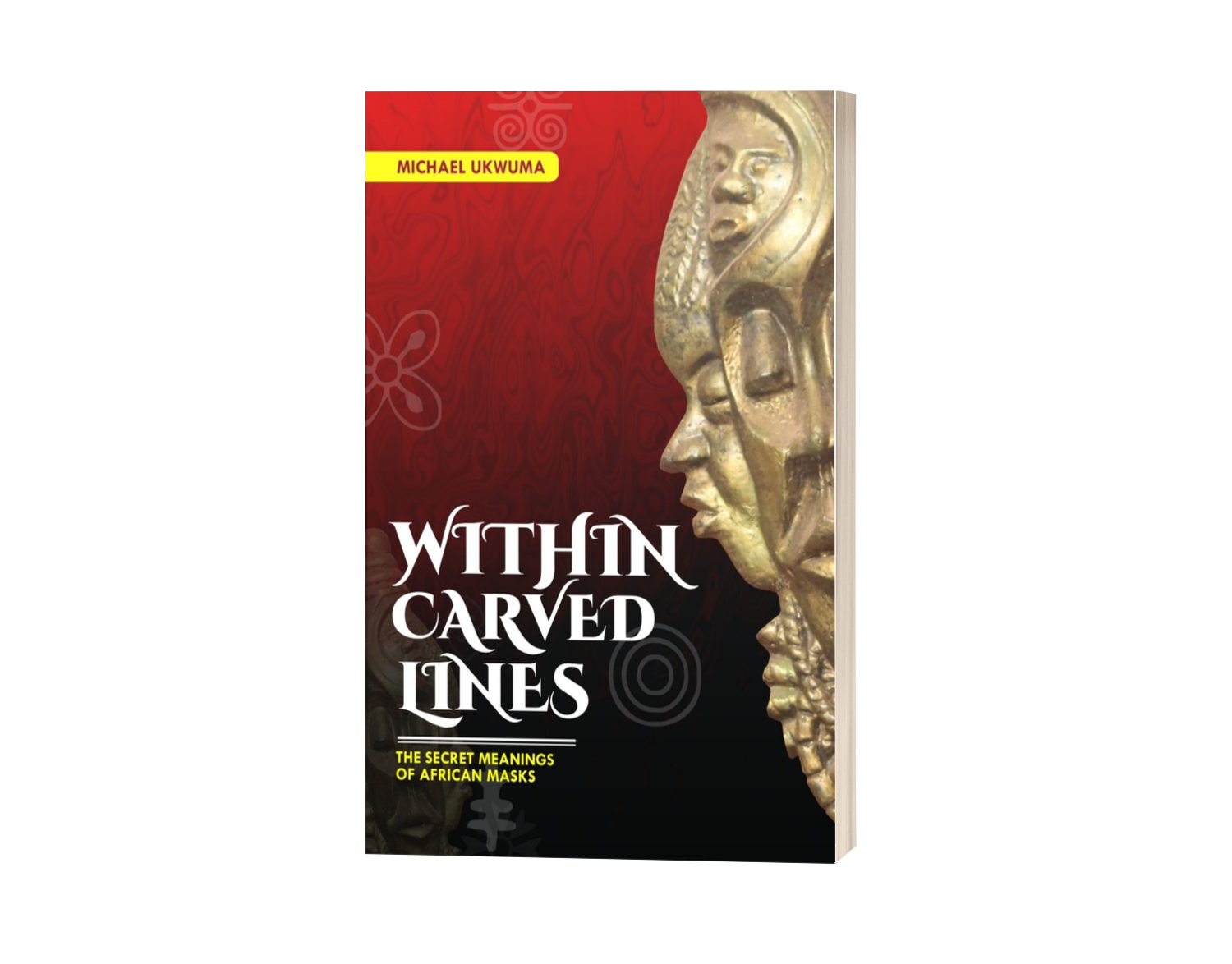
To get “an in-depth guide to African masks and their meaning, as well as to understand how African cultures understand masks, get my book, Within Carved lines.
Frequently Asked Questions
Are African masks spiritual objects?
Some were used in ritual contexts, but they are not independent spiritual beings.
Can African masks influence people?
They can influence emotions and perception through symbolism, not possession.
Why do museums describe African masks as “ritual objects”?
Because their meaning comes from use, not display.
Final Thoughts
African masks do not need mystery to be meaningful.
Their power lies in:
- Human intention
- Cultural design
- Symbolic communication
- Community participation
When understood correctly, African masks become less frightening and more profound—not as supernatural objects, but as expressions of African knowledge systems.