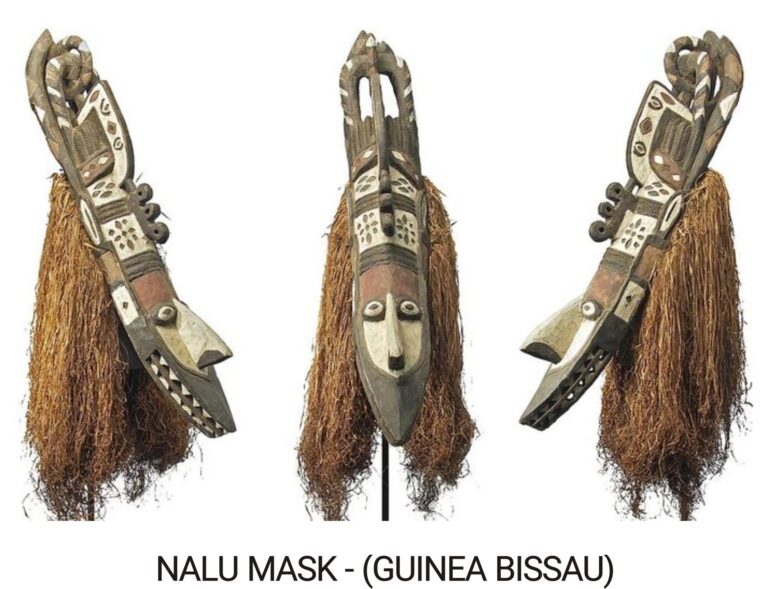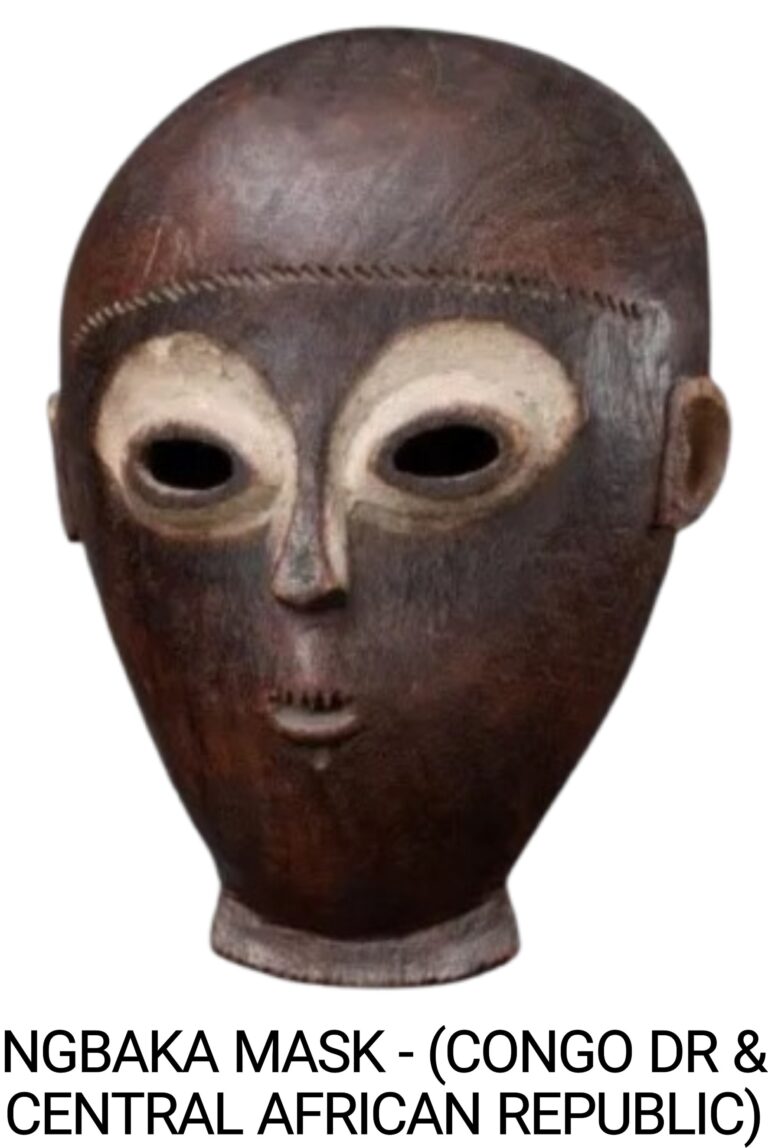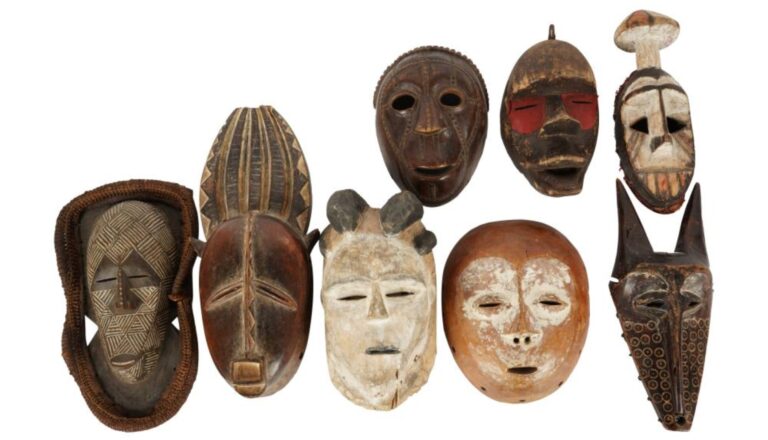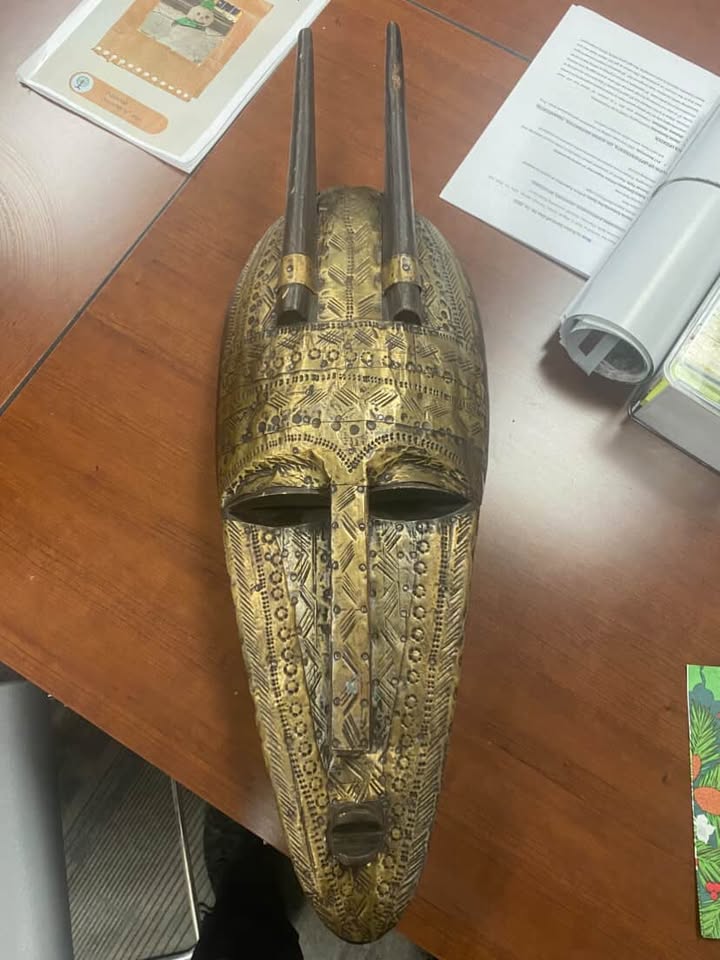
Why an African Mask Feels Like It Is Calling Out to You
Many people who encounter an African mask—in a gallery, market, private collection, or museum—say something strikingly similar:
“I acquired this African mask because it called out to me.”
This experience is far more common than people realize. Across continents and cultures, individuals report feeling a strong emotional, energetic, or intuitive pull toward a specific African mask.
But what does that actually mean?
Does an African mask truly “call” a person?
Is it spiritual, psychological, cultural—or something else entirely?
In this in-depth article, we explore why an African mask may feel like it is calling out to you, what that sensation represents within African cultural frameworks, and why responding without understanding can lead to confusion.
Why does an African mask feel like it is calling you?
An African mask may feel like it is calling you because you are receptive at that moment, because the mask historically depended on human participation, or because it is symbolically active during a specific season tied to its original culture.
Do African Masks Actually Call People?
No—an African mask does not speak in words or audibly call your name.
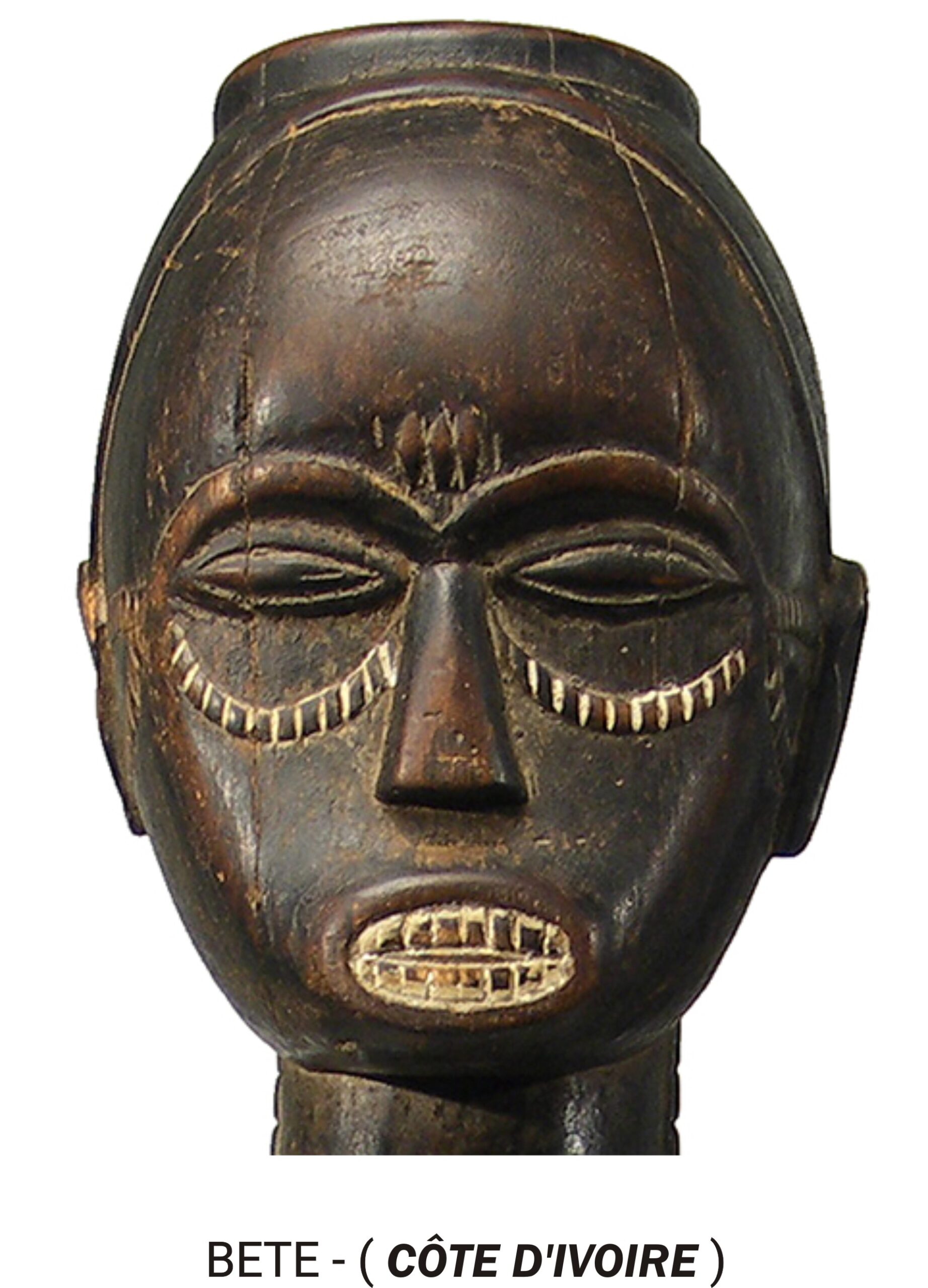
However, African masks were never intended to exist as silent decorative objects. In many African societies, masks were created to function within living systems—ceremonies, rituals, performances, and communal events.
This is where modern misunderstanding begins.
From a purely Western perspective, an African mask is often viewed as:
- Art
- Sculpture
- Decoration
- Collectible object
But within African cultural systems, an African mask is better understood as:
- A cultural instrument
- A symbolic vessel
- A community tool
- A temporary spiritual interface
African Masks and the Principle of Duality
Across many African cultures, reality is understood as dual and relational.
There is:
- Physical and spiritual
- Human and ancestral
- Seen and unseen
Nothing operates independently.
This belief extends to African masks.
An African mask does not “work” alone. It was designed to:
- Be worn by a human
- Be animated through movement
- Be accompanied by music, rhythm, and ritual
- Be activated only during specific moments
This explains why masks traditionally have resting places, houses, or shrines, often far away from daily living spaces.
Why an African Mask May Feel Like It Is Calling You
While every experience is unique, there are three primary reasons people feel this pull.
1. You Were Spiritually or Emotionally Receptive
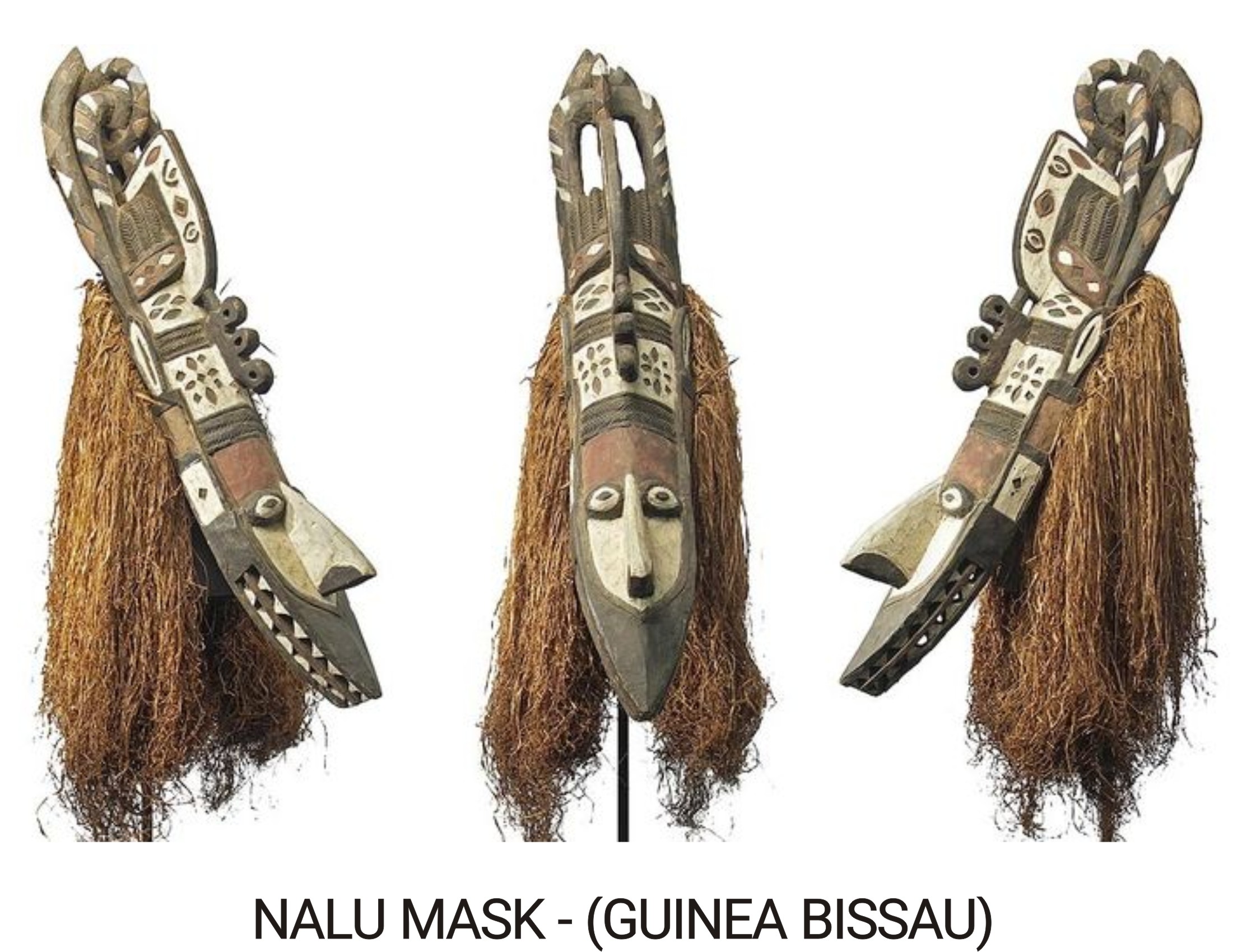
At certain moments in life, people become more perceptive—emotionally, spiritually, or psychologically.
During these moments:
- Symbols feel stronger
- Objects feel meaningful
- Cultural artifacts resonate more deeply
An African mask encountered during such a time can feel unusually powerful.
Many African masks today exist outside their original cultural environments, removed from:
- Their community
- Their rituals
- Their language
- Their seasonal use
In that displaced state, the mask often becomes an object of projection. The “call” you feel may be your mind and intuition responding to dislocation, history, and symbolism simultaneously.
This does not make the experience imaginary—it makes it human.
2. African Masks Were Designed to Bind With People (Temporarily)
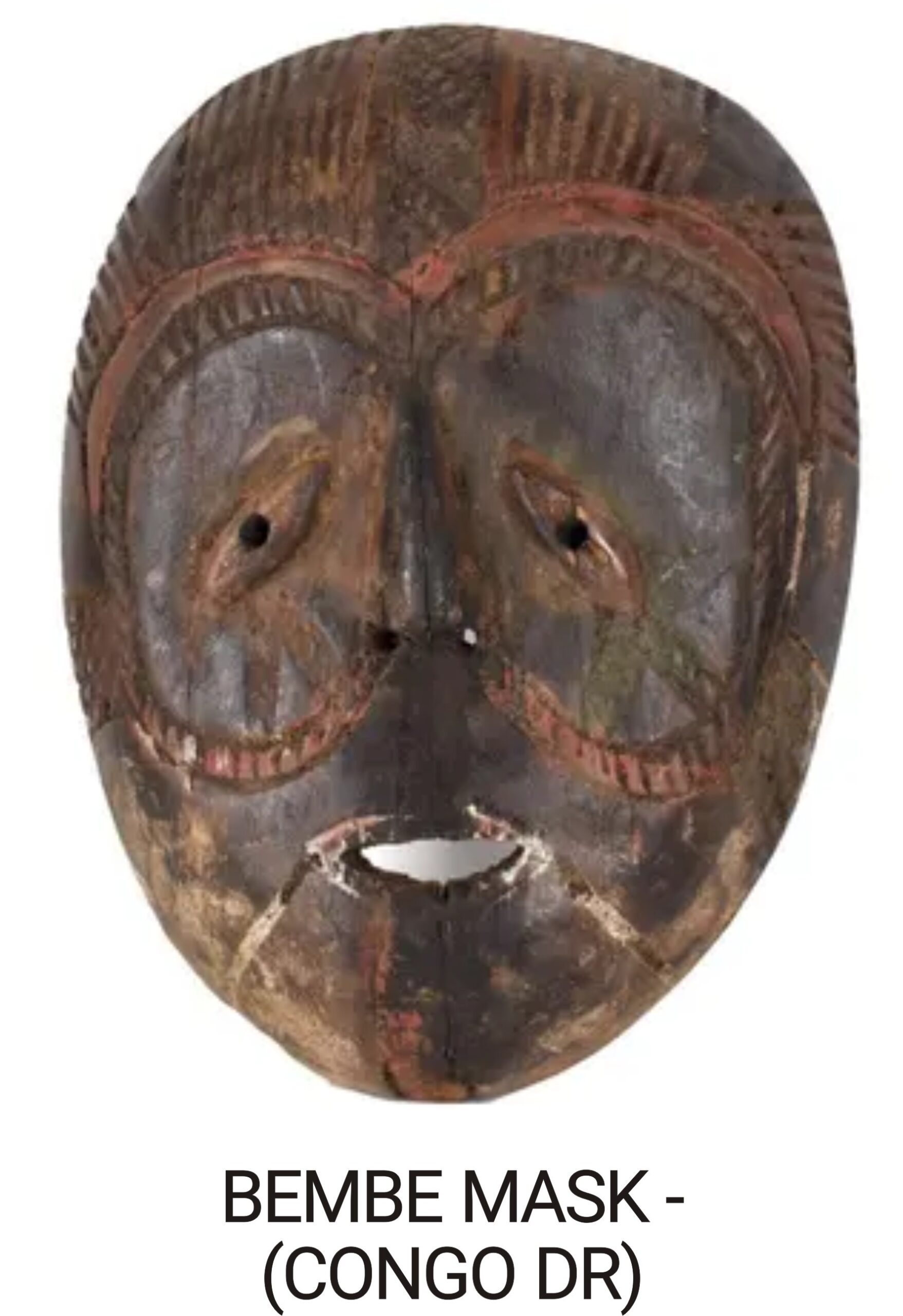
Every African mask that was once used depended on people to function:
- Dancers
- Drummers
- Elders
- Initiates
- Entire communities
Without people, a mask is incomplete.
However, this connection was never meant to be permanent.
In traditional contexts:
- Masks are not worn continuously
- Masks are not kept close to daily life
- Masks are stored away when inactive
Many collectors unknowingly break this cultural rule by:
- Hanging an African mask in a living room
- Placing it in a bedroom
- Treating it as permanent décor
This misunderstanding can create discomfort—not because something supernatural is happening, but because the mask is being removed from its intended cultural rhythm.
⚠️ Important Cultural Safety Note
Some African masks were activated through ritual at some point in their history.
Such masks traditionally:
- Are not kept near sleeping areas
- Are not placed where intimate activities occur
- Are not handled casually
- Are never handled by women
This is why African societies often build separate structures to house masks.
Understanding this is not about fear—it is about respecting cultural design.
3. It May Be the Mask’s Symbolic Season
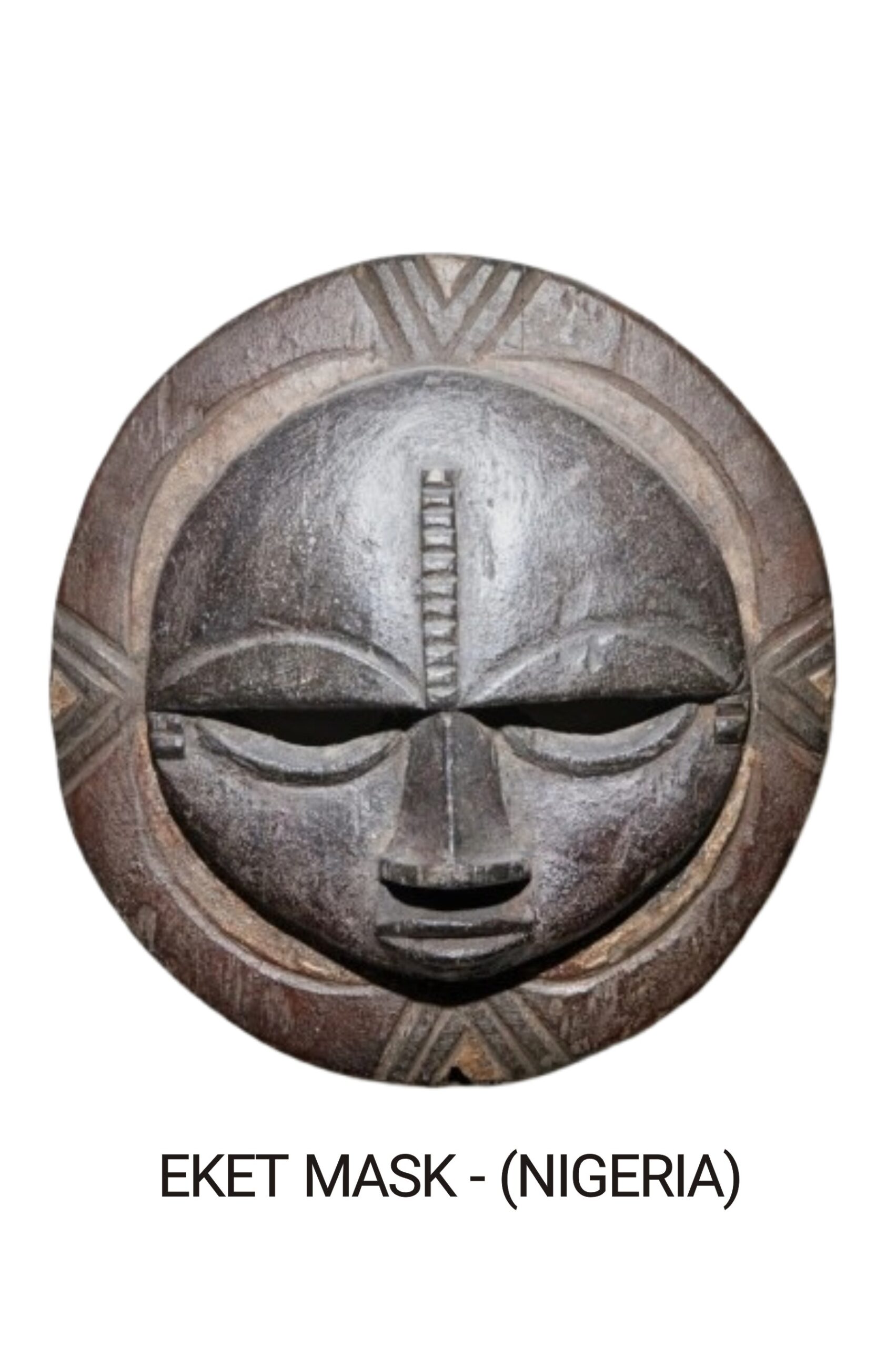
Many African masks are associated with:
- Specific festivals
- Agricultural cycles
- Moon phases
- Annual ceremonies
- Life transitions (funerals, initiations, kingship)
When that symbolic season arrives, the mask’s meaning becomes more pronounced.
If you encounter an African mask during this period, the emotional response can feel sudden and intense—almost like recognition.
However, if the mask is then brought home and simply displayed, the experience often feels unresolved. The mask expected participation, not possession.
Should You Answer the Call of an African Mask?
Short answer: Yes—but thoughtfully.
Feeling drawn to an African mask is not negative. It suggests:
- Curiosity
- Sensitivity
- Respect for African culture
But answering that call responsibly means:
- Learning the mask’s origin
- Understanding its cultural role
- Respecting its limits
- Avoiding casual placement in personal spaces
African masks were never designed to be permanent companions.
Reflection Exercise for African Mask Owners
If you already own an African mask that once felt like it “called” to you, ask yourself:
- Did anything in your life change after acquiring it?
- Do certain feelings or events repeat around the same time each year?
- Have you ever sensed the mask needed something—but couldn’t identify what?
Sometimes the call is not about ownership—it is about awareness.
Learn More About African Masks
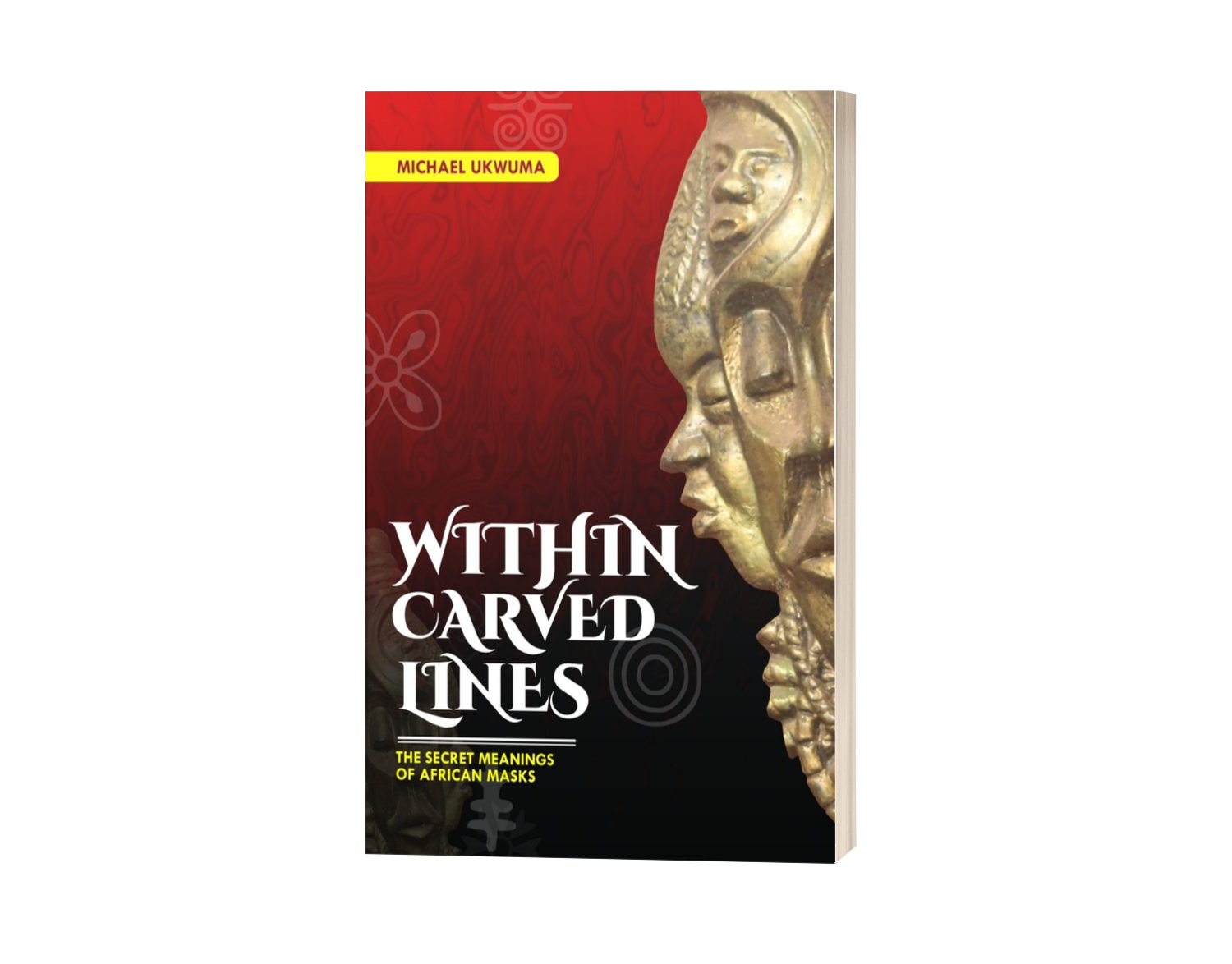
If you want a structured, culturally grounded understanding of African masks, I have written a book that explores:
- The origins of African masks
- Their cultural purposes
- Their symbolic meanings
- How they were traditionally used and stored
“Learn more about African masks in my book”
Frequently Asked Questions (Snippet Gold)
Do African masks have spirits?
African cultures often view masks as symbolic vessels that require human participation. They are not autonomous beings but function within ritual and community.
Is it bad to own an African mask?
No—but it is important to understand where it comes from and how it was traditionally treated.
Should African masks be kept in bedrooms?
Traditionally, no. Masks were stored separately from daily living and sleeping areas.
Why do I feel emotional around African masks?
Because African masks carry history, displacement, symbolism, and cultural memory—powerful elements that humans naturally respond to.
Final Thoughts
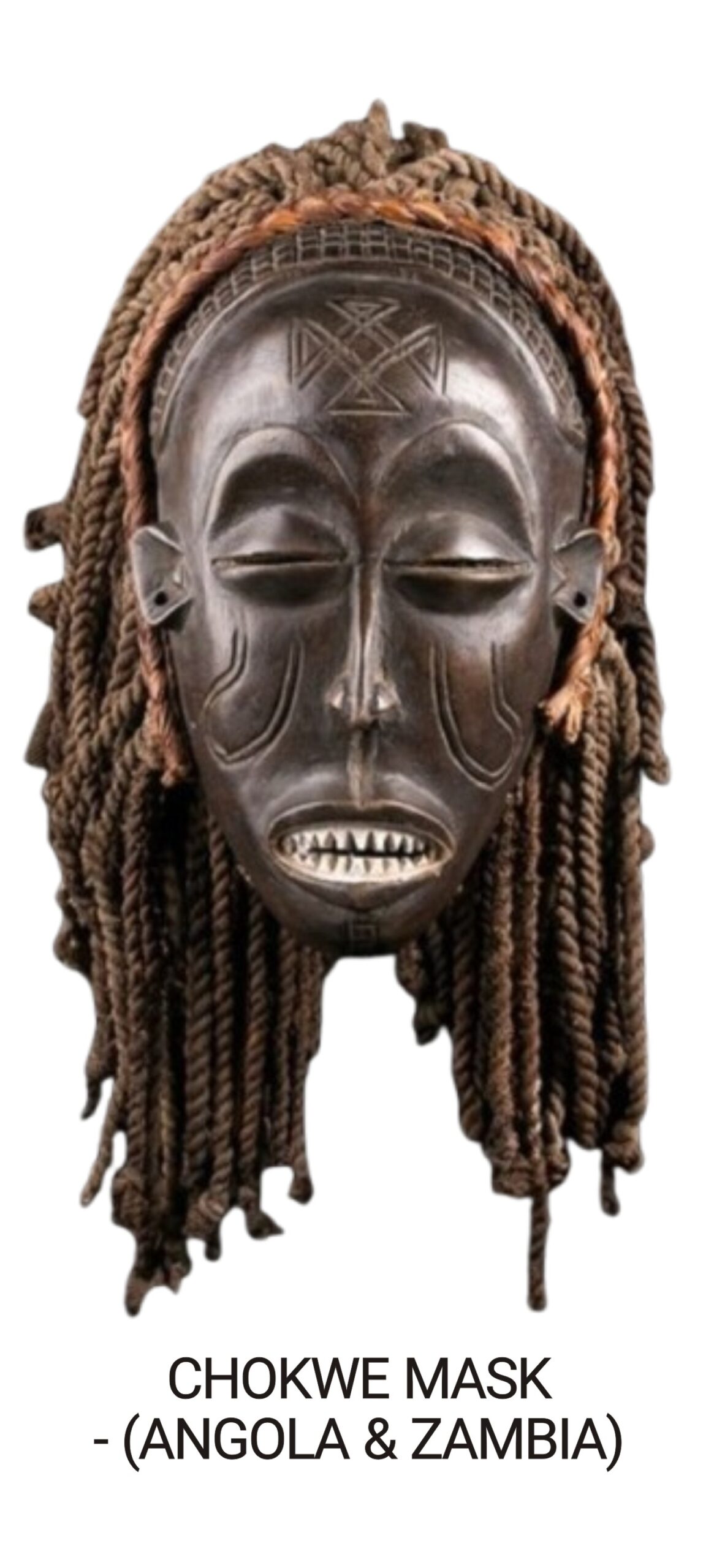
An African mask calling out to you does not mean possession, danger, or destiny.
It means connection.
The real question is not why the mask called—
It is whether you are willing to understand what it represents.
Sometimes, listening is enough.