Why African Masks Are Not Home Décor
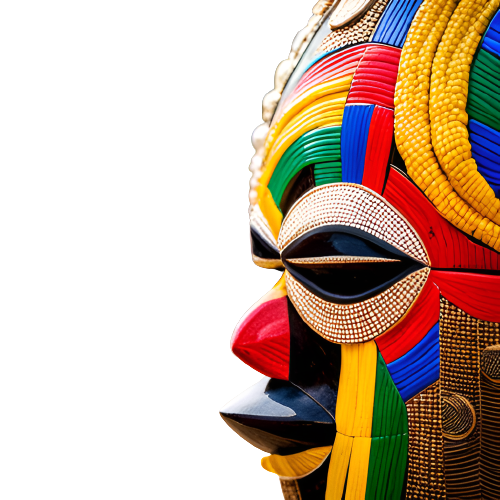
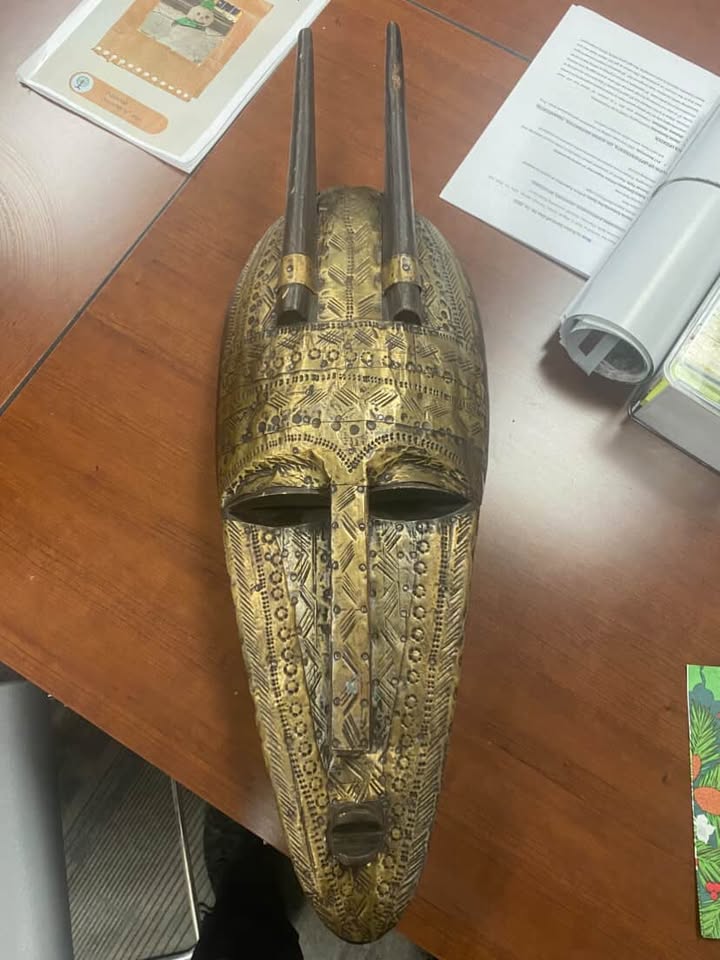
In many parts of the world, an African mask is commonly used as decoration. It may hang on a living room wall, sit on a shelf, or be placed as a centrepiece in a modern interior.
While visually striking, this use of African masks represents a complete shift from their original cultural purpose.
Traditionally, African masks were never meant to function as permanent decorative objects. They were created for specific moments, not constant display.
This article explains why African masks are not home décor, how they were traditionally treated, and what is lost when they are reduced to aesthetic objects.
Quick Answer
Why are African masks not home décor?
African masks were traditionally created for ceremonial, ritual, and social functions. They were meant to appear temporarily during specific events and stored away afterward, not permanently displayed in everyday living spaces.
The Modern Display Problem
In modern contexts, African masks are often treated as:
- Wall art
- Cultural décor
- Interior design elements
- Ethnic accents
This approach removes the mask from its functional role and redefines it as an object of passive observation.
While this may seem harmless, it fundamentally changes the meaning of the mask.
How African Masks Were Traditionally Used
African masks were designed for activation, not admiration.
They appeared during:
- Festivals
- Funerals
- Initiations
- Agricultural rituals
- Political ceremonies
- Community celebrations
When the event ended, the mask’s role ended.
It was then:
- Stored away
- Returned to a shrine
- Placed in a dedicated structure
- Kept in restricted areas
This cycle preserved order, meaning, and balance.
Why Permanent Display Was Avoided
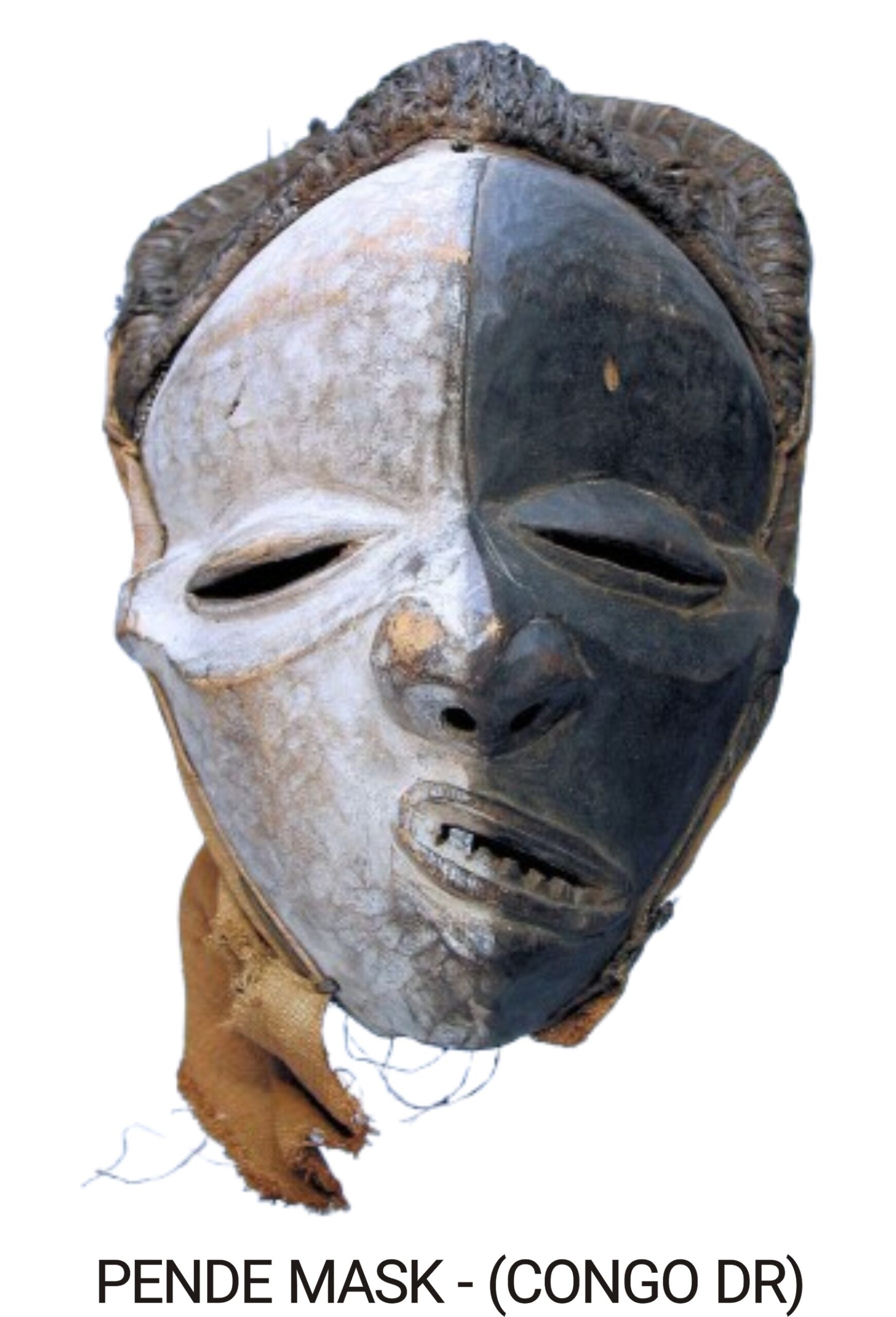
Permanent display breaks the cultural rhythm of a mask’s existence.
Traditionally, constant visibility was avoided because:
- Masks belong to specific moments
- They represent structured authority
- They carry symbolic roles
- They require ritual boundaries
This separation maintained respect and prevented cultural dilution.
Living Spaces vs Cultural Spaces
African societies distinguished between:
- Daily life spaces (homes, sleeping areas, communal living)
- Ritual spaces (shrines, mask houses, forested areas)
Masks belonged to the second category, not the first.
This distinction protected both people and tradition.
Psychological Impact of Displaying African Masks
Even outside spiritual interpretations, constant display can create:
- Emotional discomfort
- Symbolic tension
- Cultural dissonance
- Misinterpretation of meaning
People often report feeling uneasy around certain masks—not because of fear, but because they are sensing symbolic displacement.
The Difference Between Art and Cultural Instruments
An important distinction must be made:
Art is created to be viewed.
Cultural instruments are created to be used.
African masks fall into the second category.
Their meaning comes from:
- Function
- Timing
- Participation
- Performance
When removed from this system, they become visually impressive—but culturally silent.
Respectful Ownership of African Masks
Owning an African mask is not inherently wrong.
However, respectful ownership involves:
- Learning its origin
- Understanding its purpose
- Avoiding casual placement
- Respecting cultural boundaries
- Not treating it as novelty décor
This transforms ownership into stewardship rather than consumption.
Also explore:
- What Is an African Mask? Meaning, History, and Cultural Purpose
- Do African Masks Have Spirits? Cultural Truth vs Popular Myth
- Why You Think an African Mask Called Out to You
Learning African Mask Culture Properly
Understanding African masks requires more than visual appreciation. It requires cultural literacy.
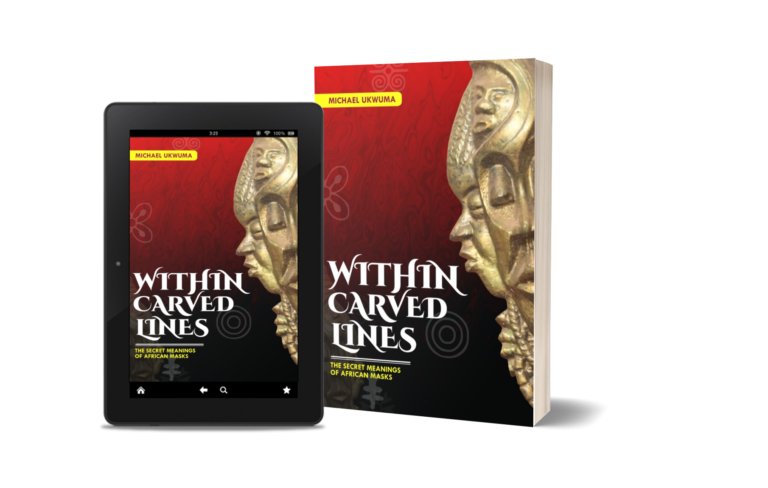
For readers seeking a deeper, structured understanding of African masks—including their traditional roles, boundaries, and meaning—I have written a book that brings this knowledge together clearly and respectfully.
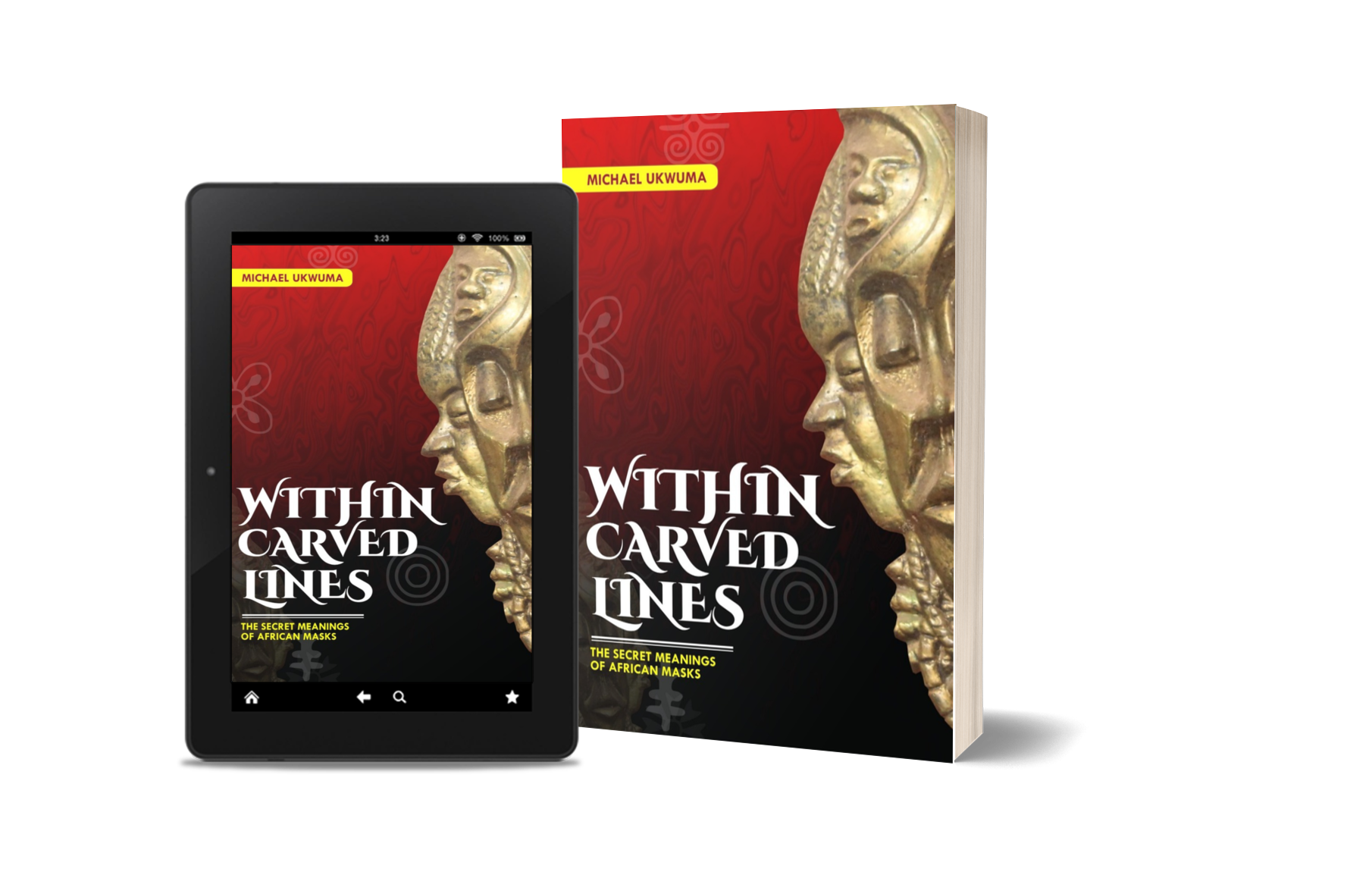
To get “an in-depth guide to African masks and their meaning, as well as to understand how African cultures understand masks, get my book, Within Carved Lines.
Frequently Asked Questions
Can African masks be displayed at all?
Traditionally, display was temporary and event-based, not permanent.
Is it disrespectful to hang an African mask?
Disrespect comes from ignorance, not ownership. Learning the culture changes the relationship.
Why were African masks stored separately?
To preserve ritual order and symbolic boundaries.
Final Thoughts
An African mask was never meant to be wallpaper for a room.
It was meant to appear, perform, communicate, and disappear.
Understanding this restores dignity to the mask—and clarity to those who encounter it