Why African Masks Feel Powerful to Some People
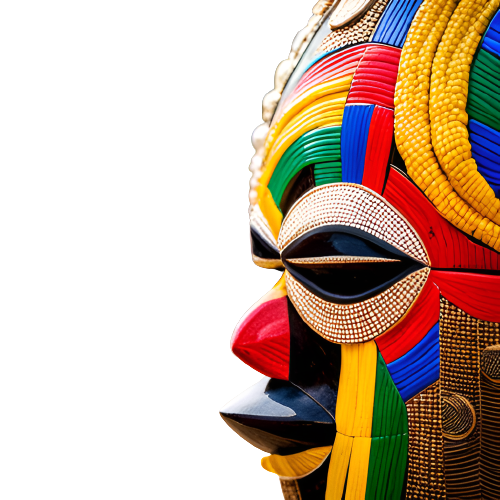
Many people encounter an African mask and immediately feel something—curiosity, awe, discomfort, attraction, or emotional intensity. Even without knowing the mask’s origin, people often describe it as “powerful.”
This immediate reaction can be attributed to the intricate artistry and cultural significance embedded within each mask. These artifacts serve as vital expressions of African heritage, embodying spiritual beliefs, societal roles, and historical narratives. Engaging with an African mask invites individuals to explore the rich tapestry of traditions and meanings that have shaped diverse communities across the continent. Ultimately,
This reaction is not unusual, nor is it accidental.
African masks were designed to communicate meaning through form, movement, and symbolism. When removed from their original context, that meaning does not disappear—it becomes harder to interpret.
This article explains why African masks feel powerful to some people, without resorting to fear, exaggeration, or myth.
Quick Answer
Why do African masks feel powerful?
African masks feel powerful because they combine symbolic design, cultural memory, human projection, and historical displacement. Their meaning was created through performance and community, which can still emotionally resonate today.
Symbolism Is Designed to Be Felt
African masks were not created randomly.
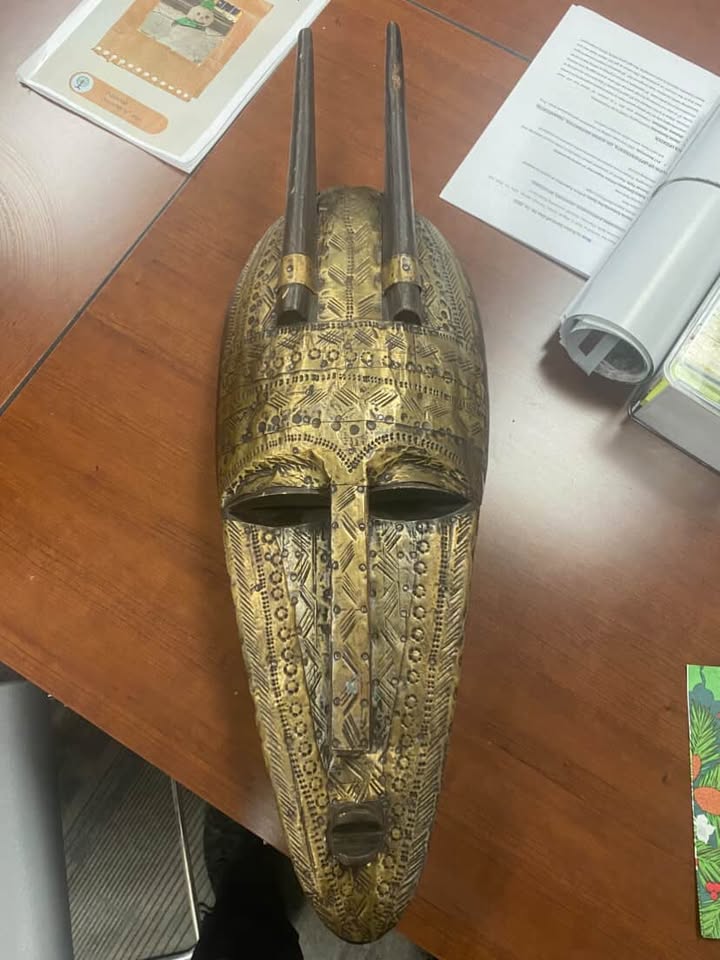
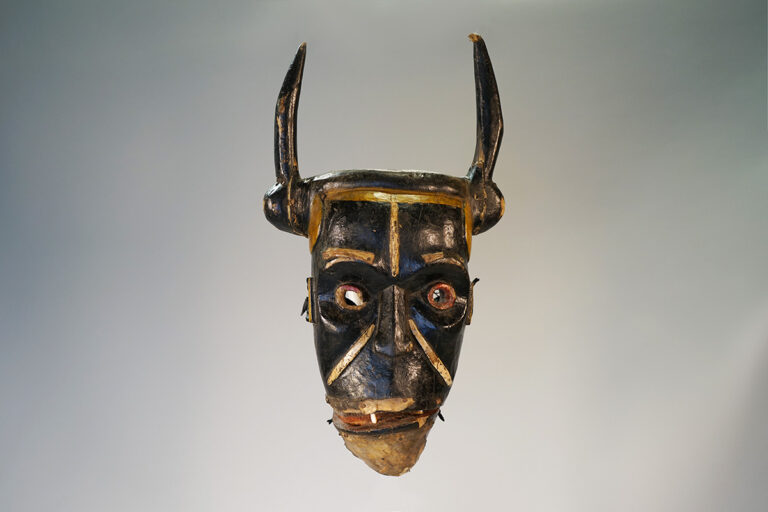
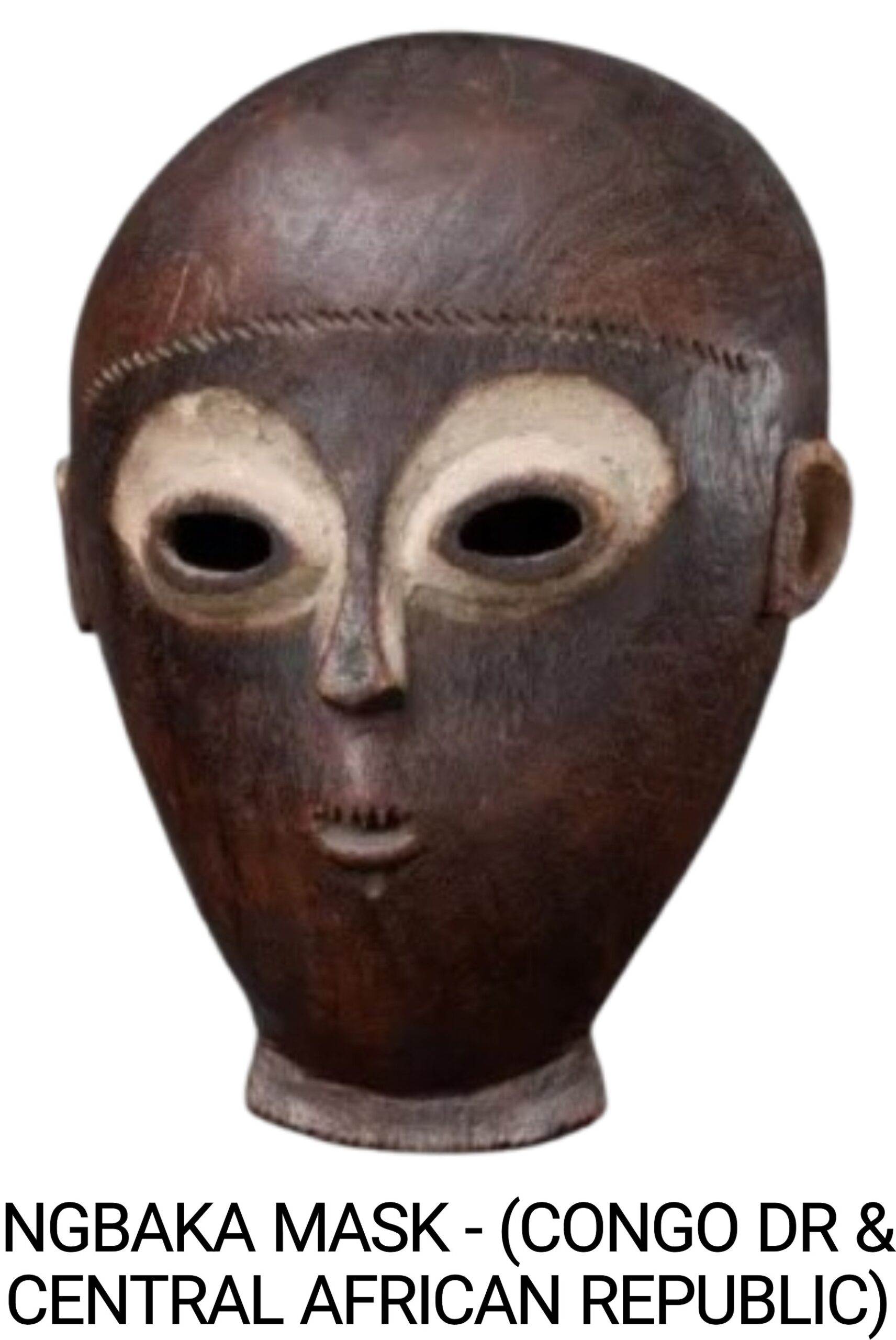
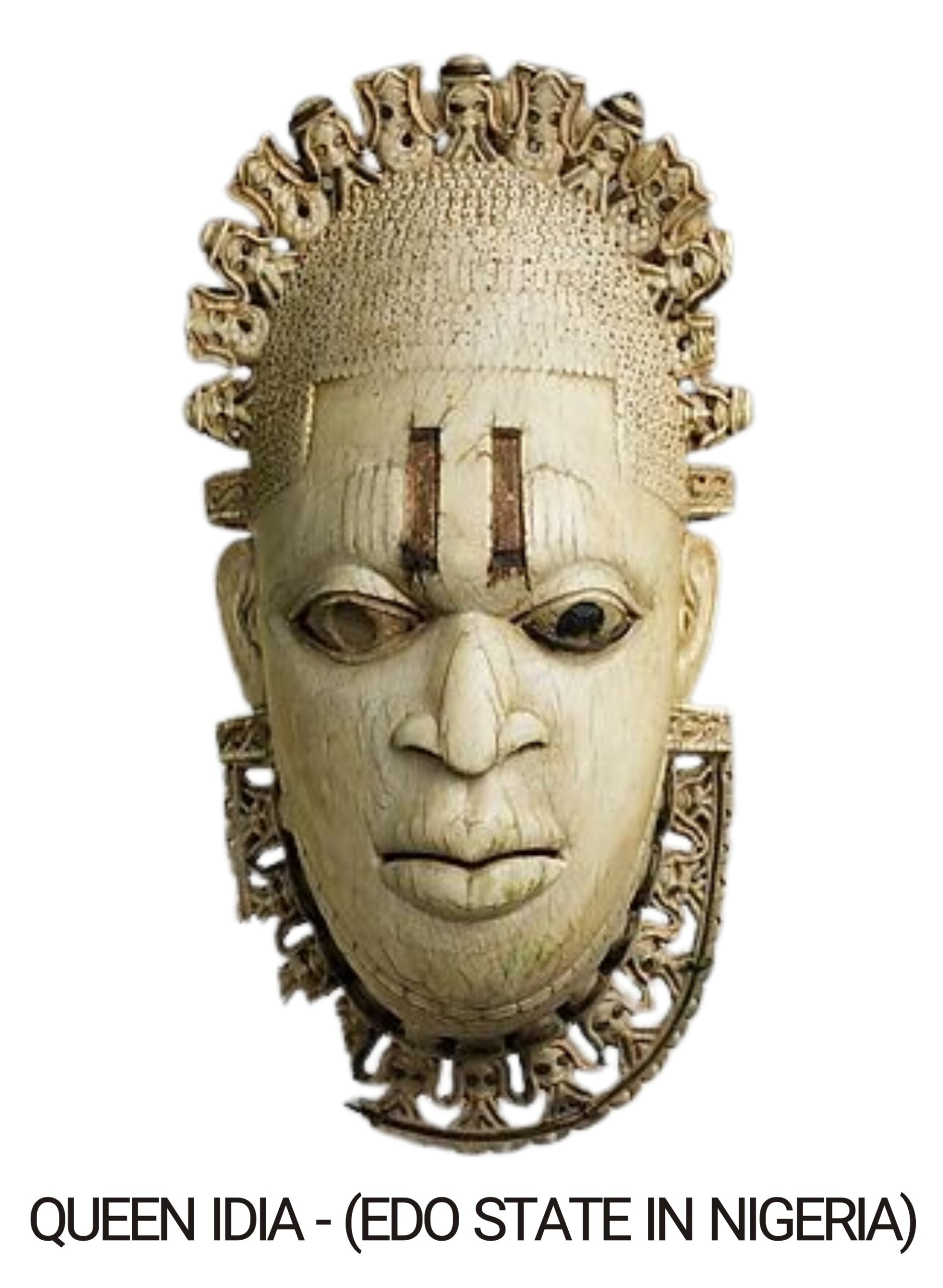
Their features—exaggerated eyes, elongated faces, geometric patterns, animal forms—were intentional. These elements communicate:
- Authority
- Transformation
- Ancestral presence
- Moral instruction
- Social identity
Even without cultural knowledge, the human brain responds to symbolism.
This is one reason African masks can feel intense or commanding.
The Role of Human Projection
Humans naturally project meaning onto objects, especially those with faces.
An African mask:
- Has eyes
- Has expression
- Suggests personality
- Implies presence
When people encounter a mask without context, their mind fills the gaps. This projection can feel like the mask is “doing something,” when in reality the person is responding to unresolved symbolism.
Cultural Displacement Amplifies Impact
Most African masks today exist far from where they were meant to be used.
Originally, they appeared:
- During festivals
- In community settings
- With music and movement
- For limited periods
Now they are often:
- Silent
- Isolated
- Static
- Removed from explanation
This displacement creates tension. The mask still communicates, but without guidance. That unresolved communication can feel powerful or unsettling.
Traditional African Masks: Five Iconic Treasures Held in Captivity by European Collections
Why Some People Feel Drawn to Specific Masks
Not all masks produce the same reaction.
People often feel drawn to masks when:
- They are emotionally receptive
- They are curious about culture
- They are seeking meaning
- They resonate with the mask’s form or expression
This experience is explored further in the article:
“Why You Think an African Mask Called Out to You”
The “call” is often internal recognition, not external force.
Psychological vs Cultural Explanations
It is important to separate two things:
- Psychological response
- Cultural meaning
African masks feel powerful psychologically because humans respond to faces, symbols, and mystery.
They feel powerful culturally because they once carried authority, ritual timing, and collective participation.
Neither explanation requires fear or superstition.
The Role of Performance Memory
Even though a mask may be silent today, it was once:
- Danced
- Heard
- Seen in motion
- Surrounded by rhythm
That performance memory is embedded in its design.
When people sense “energy,” they are often responding to the memory of use, not an active force.
Why Constant Exposure Can Increase Intensity
When African masks are kept in constant view—such as hanging permanently in a home—the emotional response may intensify.
This is because:
- The mask was not meant for continuous presence
- Its symbolic role lacks closure
- The mind seeks resolution
Traditional cultures solved this by limiting exposure.
To fully understand why African masks feel powerful, readers should explore:
- What Is an African Mask? Meaning, History, and Cultural Purpose
- Do African Masks Have Spirits? Cultural Truth vs Popular Myth
- Why You Think an African Mask Called Out to You
- Why African Masks Are Not Home Décor
- Where African Masks Are Traditionally Kept and Why
Together, these articles form a complete interpretive framework.
Learning to Interpret African Masks Correctly
Feeling something around an African mask is not wrong.
What matters is interpretation.
For readers who want a clear, culturally grounded understanding of African masks—why they exist, how they were used, and how to engage with them responsibly—I have written a book that brings these insights together in one structured resource.
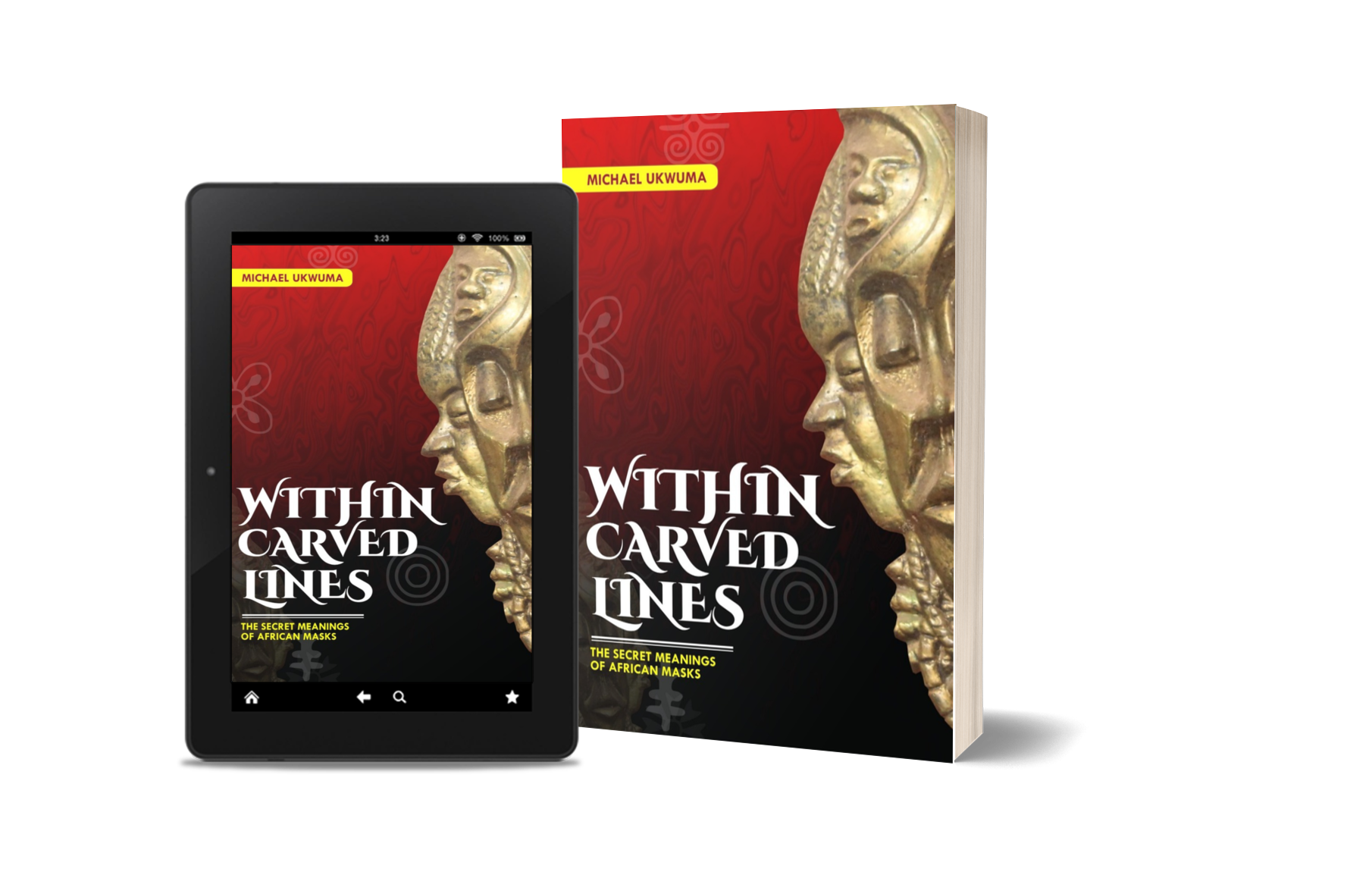
To get “an in-depth guide to African masks and their meaning, as well as to understand how African cultures understand masks, get my book, Within Carved Lines.
Frequently Asked Questions
Is it normal to feel emotional around African masks?
Yes. They are designed to communicate through symbolism.
Does feeling power mean the mask is spiritual?
Not necessarily. Emotional response does not equal spiritual activation.
Why do some masks feel stronger than others?
Differences in design, symbolism, and personal resonance.
Final Thoughts
African masks feel powerful because they were never meant to be neutral.
They were designed to be seen, felt, and understood within a cultural system. When that system is removed, the feeling remains—but the explanation often disappears.
Understanding replaces fear.
Context replaces myth.
And meaning becomes clearer.