Digitizing African Cultural Heritage: How Companies Can Fund It Without Taking It
An old man sits on a bench outside his compound. He is the last person in his village who knows the full praise poem of his lineage. It takes him almost an hour to recite. Nobody has recorded it. When he goes, it goes with him.
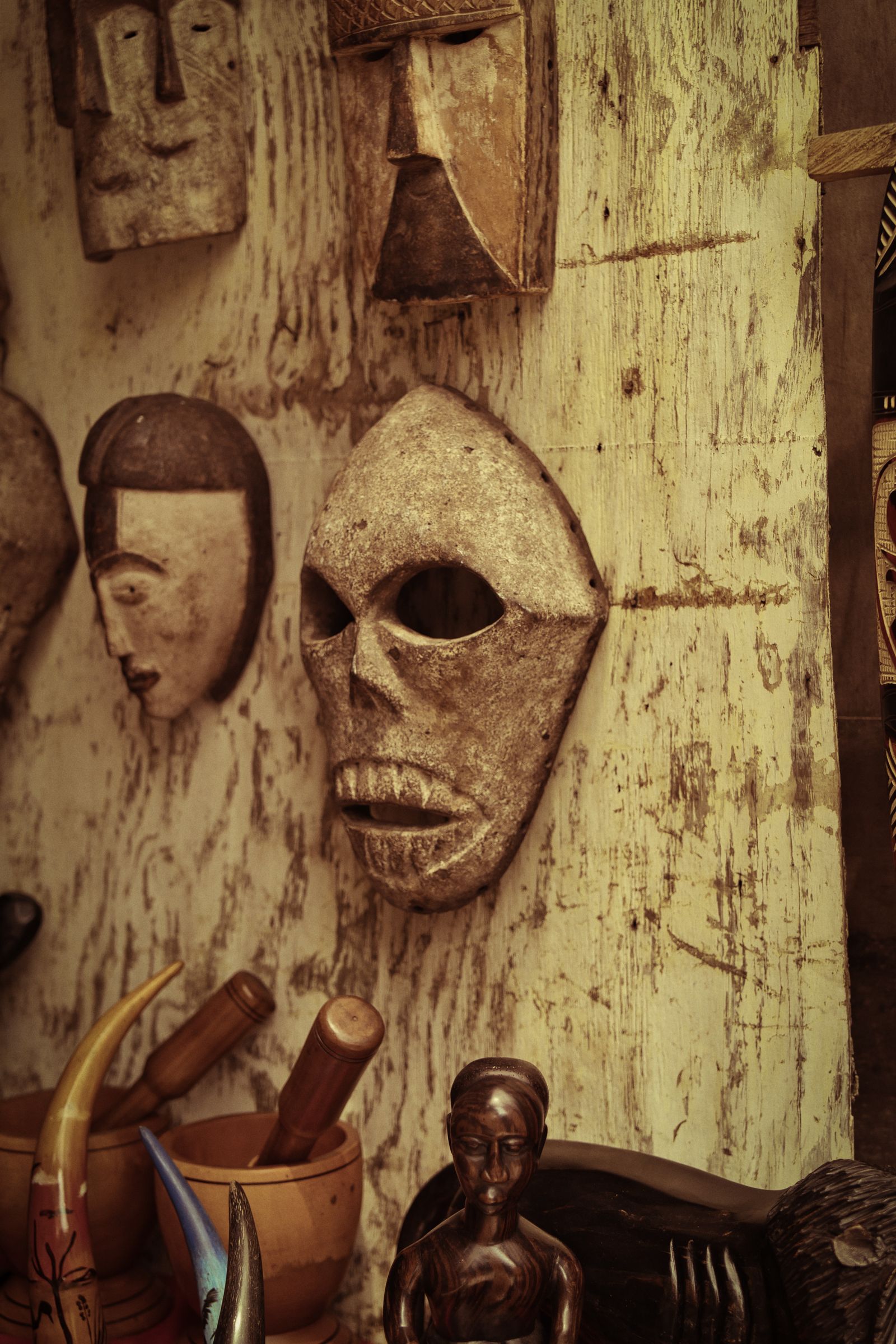
Now think of a mask carved by his grandfather. It sits in a storeroom in Europe, catalogued under the wrong people, photographed once in black and white decades ago.
These are two sides of the same problem. And both point to the same opportunity. Digitizing African cultural heritage can save what is fragile and reconnect what was scattered. But it can also become one more way of taking. The difference depends on who pays, who decides, and who owns the result.
If you lead a company and you want to support heritage work, this article is for you.
Why Digitizing African Cultural Heritage Matters Now
Three pressures make this urgent.
Elders are passing. Oral histories, songs, proverbs, ritual knowledge, and craft techniques live in people. Every year, some of that knowledge disappears for good.
Objects are scattered. A huge share of Africa’s historic art sits in museums and private collections outside the continent. Many communities have never seen the objects their ancestors made.
Physical archives are vulnerable. Paper, film, and audio tape decay in heat and humidity. Many local archives have no climate control and no backup.
Digital records cannot replace a living tradition or a returned object. But they can preserve knowledge, support research, strengthen restitution claims, and give communities access they never had.
What Good Digitization Projects Look Like
There are already serious examples to learn from.
Digital Benin, launched in 2022, brought together records of more than five thousand Benin objects held in over one hundred institutions around the world. For the first time, people in Benin City and anywhere else could see in one place where their heritage had gone. That kind of transparency changes conversations about return. We trace that story in our Benin Bronzes restitution timeline.
The Endangered Archives Programme at the British Library has funded the copying of fragile archives across Africa, with the originals staying in the country and the community.
What these projects share is simple. The originals stay where they belong. The records are open. Local partners are involved from the start.
The Mistakes Sponsors Must Avoid
Good intentions are not enough. Here are the traps I see most often.
Owning what you funded
A company pays for scanning and then claims copyright over the images. That is not support. That is acquisition. The community and its chosen institution must hold the rights.
Recording what should stay private
Not all knowledge is meant for everyone. Some songs, objects, and rituals are restricted to initiates, to one gender, or to one lineage. Putting them online can cause real harm. A project must ask before it records, and accept no as an answer.
Building platforms nobody can maintain
A beautiful website that goes offline in three years when the funding ends helps nobody. Sustainability has to be in the budget.
Leaving local people as assistants
If outside experts do the skilled work and local staff carry the equipment, the project has failed even if the scans are perfect.
Principles That Should Guide Every Project
The CARE Principles for Indigenous Data Governance offer a strong starting point. CARE stands for Collective benefit, Authority to control, Responsibility, and Ethics. They were developed to make sure data about Indigenous peoples serves those peoples. They apply well to African heritage.
In practice, that means:
- Consent first. Communities decide what is recorded and how it is shared.
- Local ownership. Rights stay with the community or its chosen custodian.
- Access levels. Some material is public, some is restricted, some is not recorded at all.
- Skills transfer. Local people are trained and paid to run the work themselves.
- Long term hosting. Funding covers storage and maintenance, not just the launch.
What Companies Can Actually Fund
You do not need to run a project to support one. Here are practical ways a company can help.
Equipment and training. Cameras, audio recorders, scanners, and the training to use them well.
Oral history recording. Paying local researchers to sit with elders, in their own language, and record what they know.
Collection documentation. Funding research to correct wrong attributions and missing histories for objects held abroad.
Translation and access. Making records available in African languages, not only English or French.
Storage and maintenance. The least exciting line in the budget, and one of the most important.
Employee expertise. Archivists, engineers, and designers can volunteer skills, as long as local partners lead.
If you want the broader strategy, read our guides on corporate sponsorship for African heritage preservation and building a heritage focused CSR strategy.
Why This Is Good for Your Organisation Too
I will not pretend that companies give without thinking about their own interests. That is fine. Heritage partnerships done well build trust with African markets and diaspora communities. They give employees meaningful work to be part of. And they create stories that are real, not invented by a marketing team.
The condition is that the community stays at the centre. The moment a project becomes about the sponsor’s brand more than the people whose heritage it is, it loses the trust that made it valuable.
Partner With SEVICS Africa
SEVICS Africa works to document, explain, and protect African cultural heritage, from masks and masquerades to the oral knowledge behind them. Our African mask database already brings together records from open access museum collections, and every record states how firm its attribution is. If your organisation wants to support this work in a way that respects the communities involved, start with our About page and see what we are building on Our Campaigns. Then contact us to talk about a partnership. You can also see the kind of stories we preserve on the SEVICS Africa YouTube channel.