How Companies Can Sponsor African Heritage Preservation Without It Being a PR Stunt
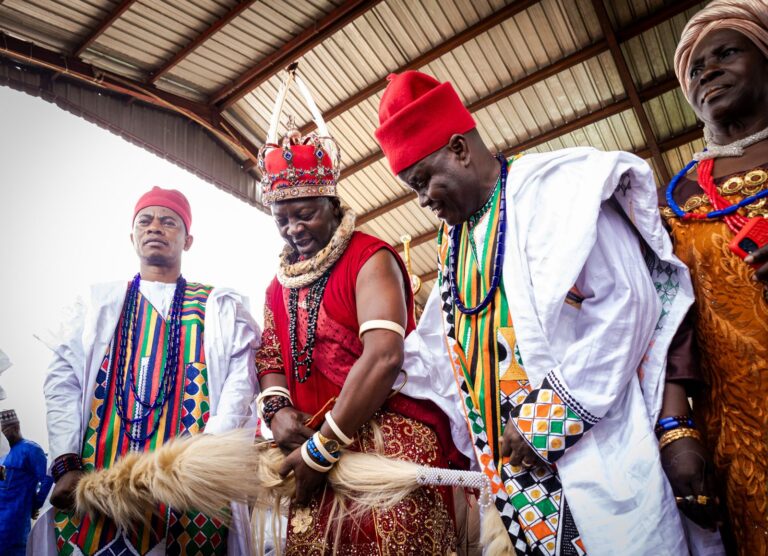
Picture the event. A carver spends six weeks finishing a mask. A company banner hangs behind him, logo facing the cameras. An executive shakes his hand for the photo, hands over a certificate, and leaves. Within the hour the tent is down and the cars are gone. Where is the money.
That is the shape of corporate sponsorship of African heritage preservation right now, and you should know it when you see it, because it is everywhere. A logo on a plaque. A single donation tied to a single event. A press release with the word legacy in the headline. Then nothing. No second visit, no relationship with the people who actually hold the knowledge. This is not preservation. It is decoration. The real money, the kind that pays a practitioner’s rent and trains the next person willing to learn a craft that is dying by the year, never shows up at all.
A related piece on this site already made the case for why heritage belongs on the same table as environment, education, and health in a serious sustainability strategy. That argument stands. This piece is not about whether to fund heritage work. It is about what happens after your company says yes. Because saying yes is easy. Doing it properly is where most sponsorships fall apart.
The Photo Op Problem
Ask yourself a hard question. If your company’s heritage sponsorship disappeared tomorrow, would the community notice, or would only your marketing department notice?
If the honest answer is that nobody outside your building would feel the loss, you are not funding preservation. You are funding content for your own channels. That is not an accusation. It is just how most of these programs are built, often without anyone intending it that way. A CSR calendar needs an event. An event needs a date, a location, and photographs. A mask unveiling or a festival sponsorship checks every box in a single afternoon. It looks good in the annual report. It costs one line item. And it leaves the actual work of preservation exactly where it found it.
Real heritage work does not happen in an afternoon. Oral tradition is passed from an elder to an apprentice over years, not one workshop. A carving practice survives because someone can afford to keep carving while they teach, not because someone got a certificate. If your sponsorship model cannot survive being boring for three years, it was never built for preservation. It was built for a photo.
What Real Corporate Sponsorship of African Heritage Preservation Looks Like
There is a different way to do this, and none of it is complicated. It just requires patience and honesty, two things that do not photograph well.
Fund the Practice, Not the Party
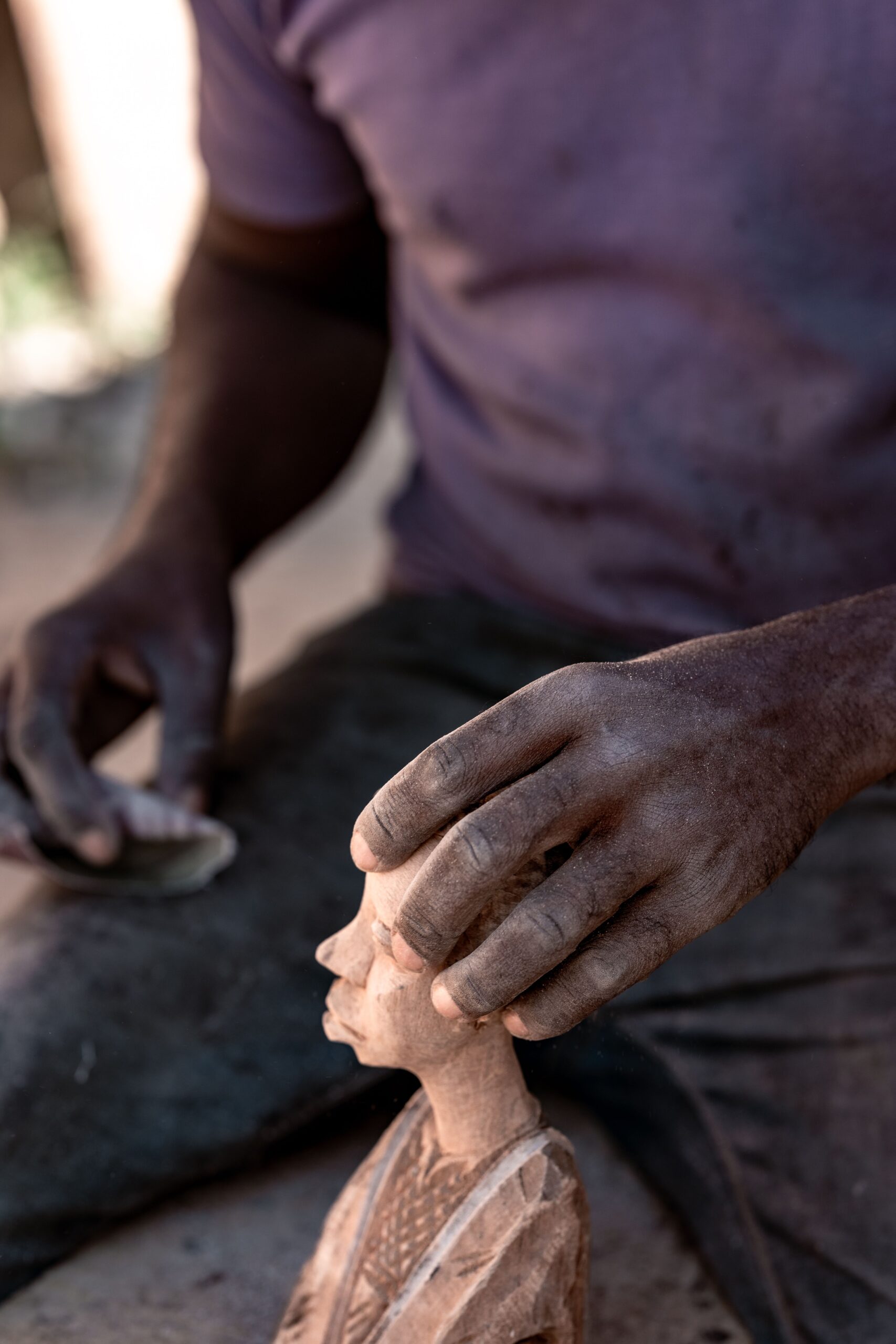
The single most useful shift a CSR team can make is to stop funding events and start funding documentation. Pay for a griot’s stories to be recorded properly over a full season, not performed once for guests. Pay for a mask making workshop to run for two years with the same small group of apprentices, tracked and supported, rather than a one day showcase with fifty spectators and no follow up. Documentation is slow. It produces archives, recordings, written records, trained apprentices. None of that fits neatly into a single press release, and that is exactly the point. If it fits neatly into one press release, it probably was not real preservation work to begin with.
Pay the Knowledge Holders Directly
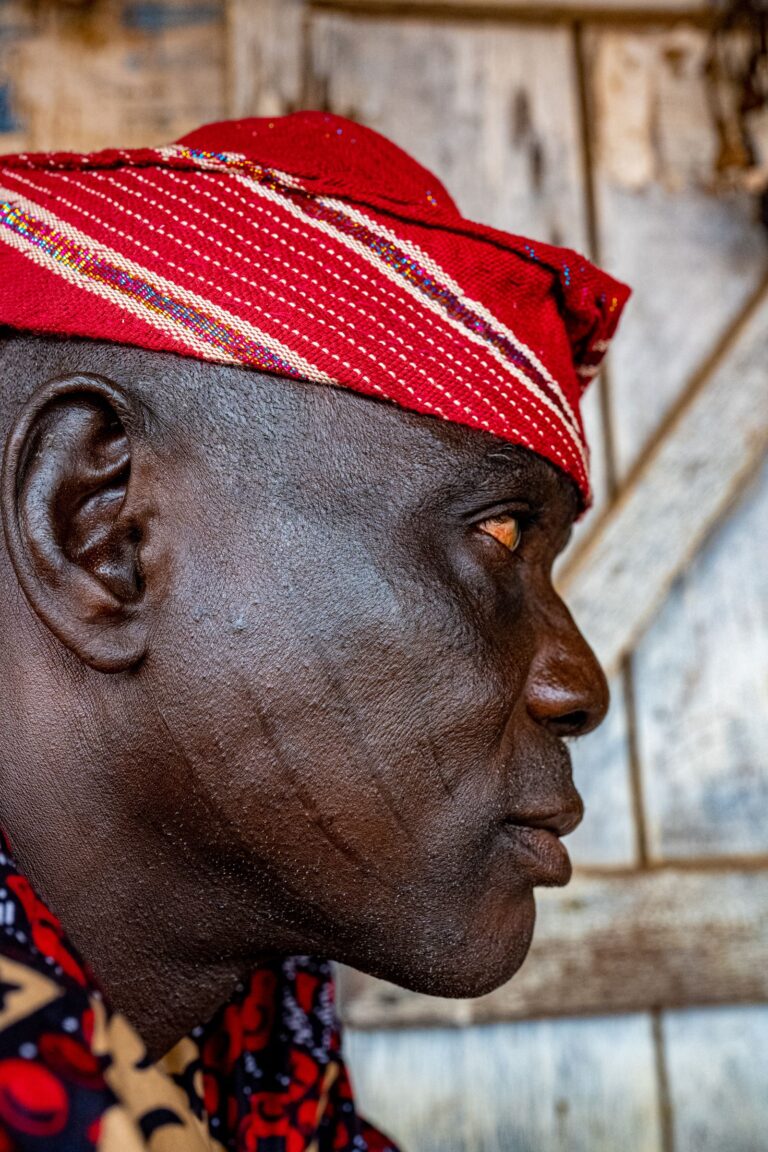
Too much heritage funding gets absorbed by administrative overhead before it ever reaches the person who actually carries the tradition. The elder who remembers the oral history. The woman who still knows the old scarification patterns and what they meant. The carver who trained under his own father. These people are not props for your campaign. They are the entire reason the campaign exists. Fair payment means direct payment, on time, at a rate that respects their expertise rather than treats it as a favor they owe their own culture. If your budget only ever reaches consultants, printers, and event staff, and never reaches the practitioner, you have not sponsored heritage. You have sponsored a supply chain around heritage.
Let the Community Decide What Gets Funded
Nobody outside a community should be deciding what parts of that community’s heritage are worth saving. That decision belongs to the people who live inside the tradition. A corporate partner’s job is to ask, to listen, and then to fund what the community says matters, not what looks most striking in a marketing deck. This sounds simple. In practice it means giving up some control, which is exactly why so many companies skip this step. Skipping it is how you end up funding a spectacle nobody in the community asked for while the tradition they actually worry about losing gets no support at all.
Be Transparent About Where the Money Goes
If a company cannot show, in plain terms, how much of a heritage sponsorship reached the practitioners versus how much went to production, travel, and branding, that company should not be surprised when people question its motives. Transparency here is not complicated. A simple public breakdown once a year. Who got paid, for what, and how much. Nothing hidden, nothing rounded up to look better. Communities remember which partners were honest and which ones disappeared after the cameras left.
Commit to Years, Not a Single Check
A tradition does not stabilize because of one donation. It stabilizes because someone can plan around steady support. A three year commitment, even a modest one, does more for a mask carving lineage or an oral history archive than a single large check ever will. Multi year support lets a community build training pipelines, pay apprentices while they learn, and plan beyond the next fiscal quarter. One off donations are easy to announce and easy to forget. Long term commitments are harder to announce well, and that is precisely why they matter more.
Do Not Take What Was Not Given to You
There is a line that gets crossed constantly and rarely discussed openly. A company sponsors a heritage event, takes striking photographs of masks or ceremonies, and then reuses those images in unrelated advertising for years afterward, without asking anyone and without paying anyone for that continued use. That is extraction dressed up as appreciation. Cultural imagery is not free stock photography just because a company once wrote a check nearby. If you want to use an image of a mask, a ceremony, or a practitioner in your marketing, ask first, agree on fair terms, and pay for what you use, every time you use it, not just the first time.
What This Actually Costs You
Less than you think, and more than a plaque. It costs patience, a willingness to fund things that will not trend, and the discipline to keep paying attention after the launch event ends. What it buys is real. A tradition still alive in ten years because someone chose to fund the boring, unglamorous work of keeping it alive. That is worth more than any photo op, and it is the only kind of sponsorship that deserves to be called heritage preservation at all.
If your company is ready to do this properly, not for a photo but for a real result, start the conversation with our team through the corporate support page and let us build a partnership around the traditions your funding can actually help outlast this generation. You can also see the practitioners themselves, the carvers and elders and knowledge holders, in their own words on the SEVICS Africa YouTube channel, where the work looks nothing like a plaque and everything like a living culture still being made.