What Is an African Mask For? The Money Question Nobody Wants to Ask
I grew up understanding what masquerade means. Today I watch objects from that tradition sell for sums that would transform the communities they came from. That gap is something I cannot stop thinking about.
What the mask was made for
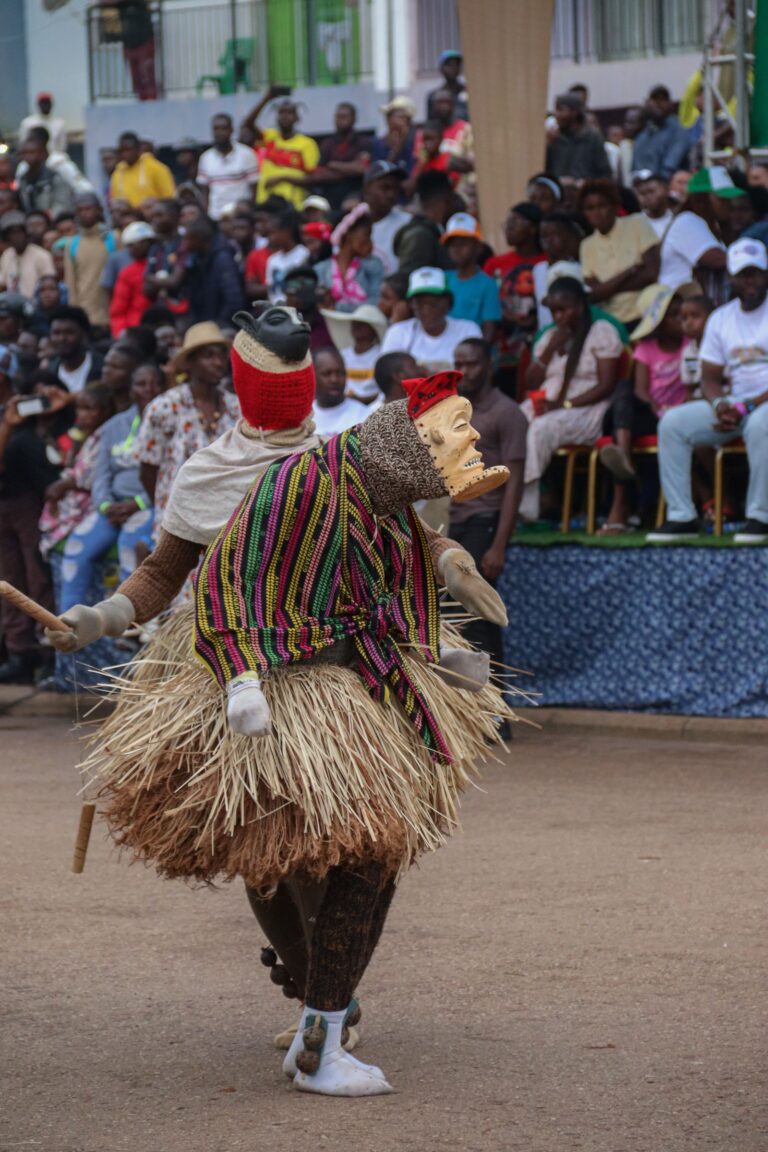
A mask was made to hold a community together. To call the ancestors back. To teach the young. To settle disputes. To bury the dead and celebrate the living. It was carved by someone whose skill was a sacred trust, not a product. It served a people who did not separate their spiritual life from their social life, or their spiritual government from their political one.
What the market turned it into
The market made the mask into something one person can own, hang in a room, insure and sell at a profit. It did this so completely that most conversations about African masks now take it for granted. The mask is treated as an object that sits in space, when it was really an event that happened in time.
Here is the uncomfortable part. The market value of a mask rises the further it gets from its purpose. A mask still active in a living community that needs it cannot be bought. A mask cut off from its people can be sold freely. The economics of African masks and the ethics of African masks are the same question.
Why fair trade is hard here
People sometimes ask why we cannot simply apply fair trade, the way it has been tried with cocoa and coffee. The honest answer is that a mask is not a kilogram of cocoa. Every piece is different. Its value depends on beauty, age and history, not on hours of labour. The line between a ritual object and a workshop piece makes standard pricing difficult, and the market is not transparent about what anything really sells for.
What we can do anyway
Those obstacles are real, but they are not an excuse. If you collect, sell or display African art, there are things you can do today.
Pay carvers something close to a living wage, not the lowest price the market will accept. Name and pay the artists whose work you display or publish. Support African led research and curation, so knowledge and value grow inside the communities that produce the work. And ask hard questions about where an older piece came from and when it left Africa.
The mask was never meant to be a commodity. If we keep asking what it was for, we will make better choices about what we do with it now.
This piece comes from my book, Within Carved Lines: The Secret Meanings of African Masks. If it spoke to you, the book goes much deeper.