Dege (Black Monkey) Mask of the Dogon: What It Was For and Why It Matters
Dogon | Mali | Funerary / Moral Instruction
What was it for?
In Dogon usage, dege refers to the black monkey, and the name is used for both masks and figures. In the dama, the ceremony that sends the spirits of the dead to the world of the ancestors, the black monkey mask plays a disruptive part, teaching the community through bad example.
What does it look like?
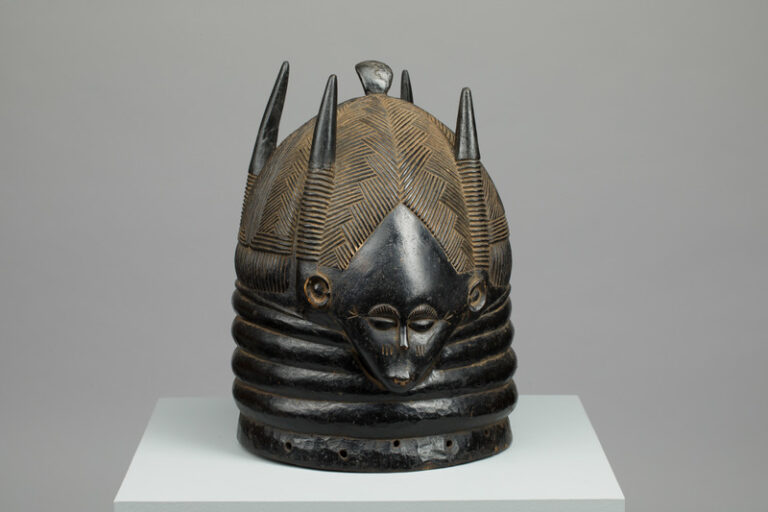
A face mask carved with a monkey's features, one of the large cast of animal masks that appear in the dama. Its form tells the audience at once that this is a creature of mischief rather than dignity, and its behaviour in the performance completes the character.
Why does it matter?
The black monkey sulks on the sidelines, makes lewd gestures or steals harvested millet. By showing the community what not to do, it reinforces the values that hold village life together. Laughter and disapproval work together as a lesson.
One thing most people never know
Dege is sometimes described as a whole category of masks for foreigners and social types, but that is a mistake. Dogon masks of outsiders have their own names, such as the Samana masks and the masks of Fulani women. Dege is the black monkey, a single mischievous character.
Further reading: the source record for this entry.
This entry is part of the SEVICS Africa archive of 100 African masks. If you own a mask like this and want to know more about it, try our Mask Identifier.