How to Preserve African Cultural Heritage: Seven Practical Steps
When an elder dies, a library closes. You have probably heard that line before. It is an old African saying, and it is also a plain description of what is happening right now. It is also why people ask how to preserve African cultural heritage before it is too late.
Every year, songs, mask carving methods, naming customs, medicinal knowledge and entire languages leave the world with the people who carried them. If you are asking how to preserve African cultural heritage, you are asking the right question at a very urgent time.
The good news is that preservation is not only for museums and governments. Ordinary people can do real work. Let me show you what that work looks like.
What is cultural heritage, really?
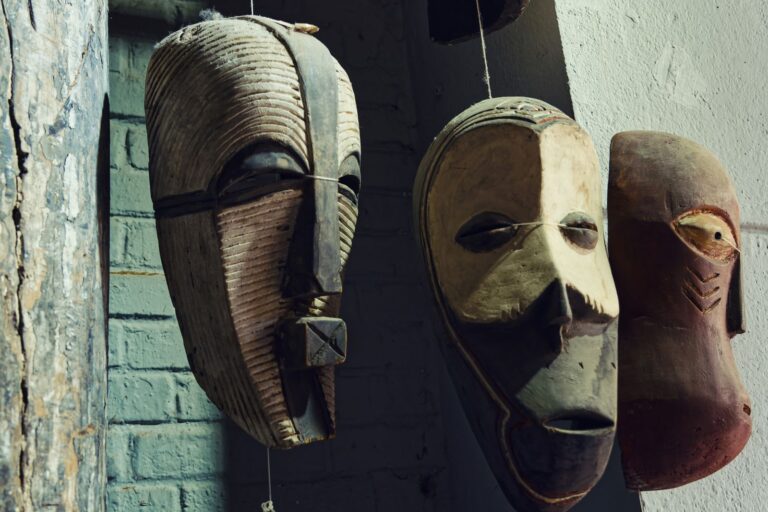
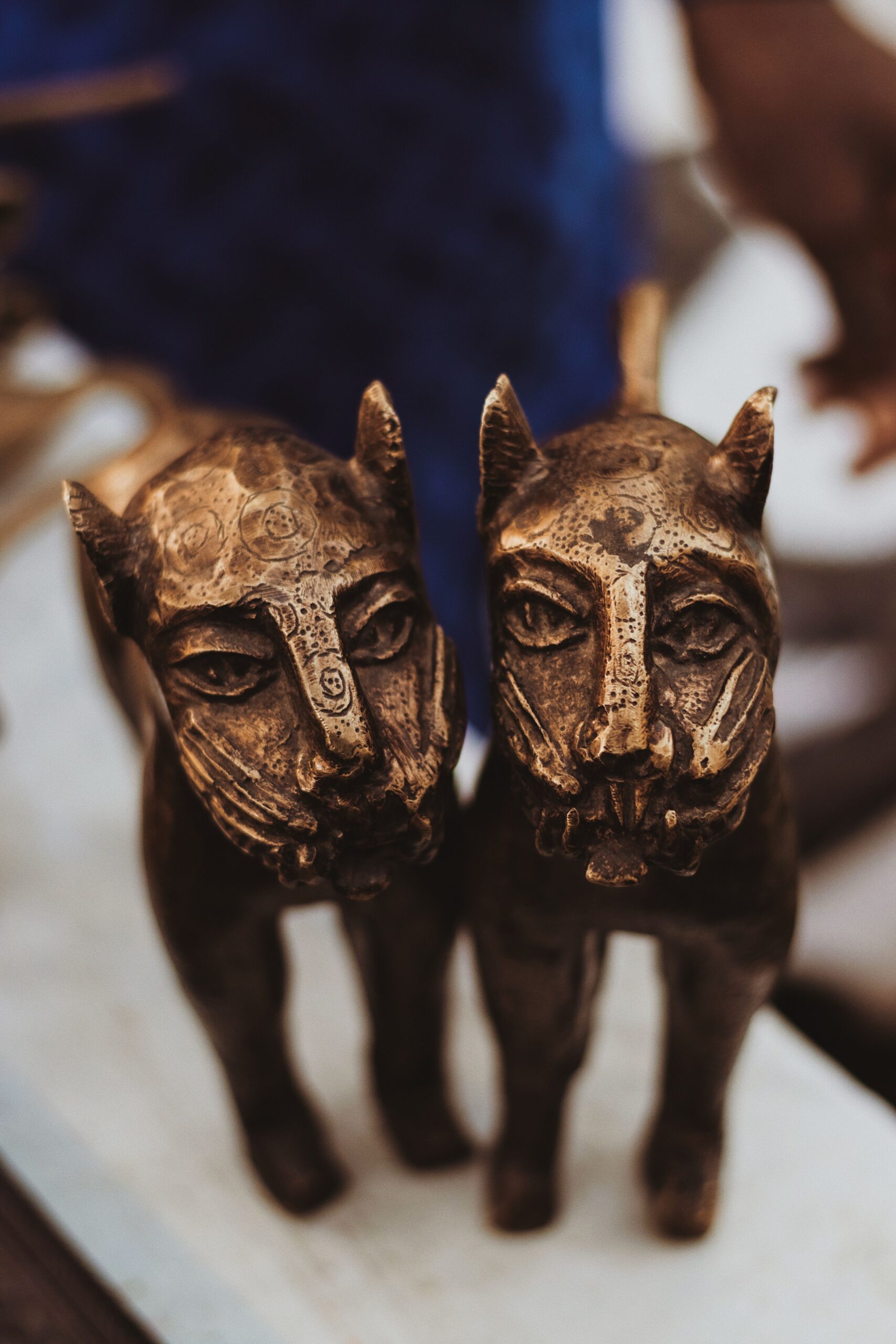
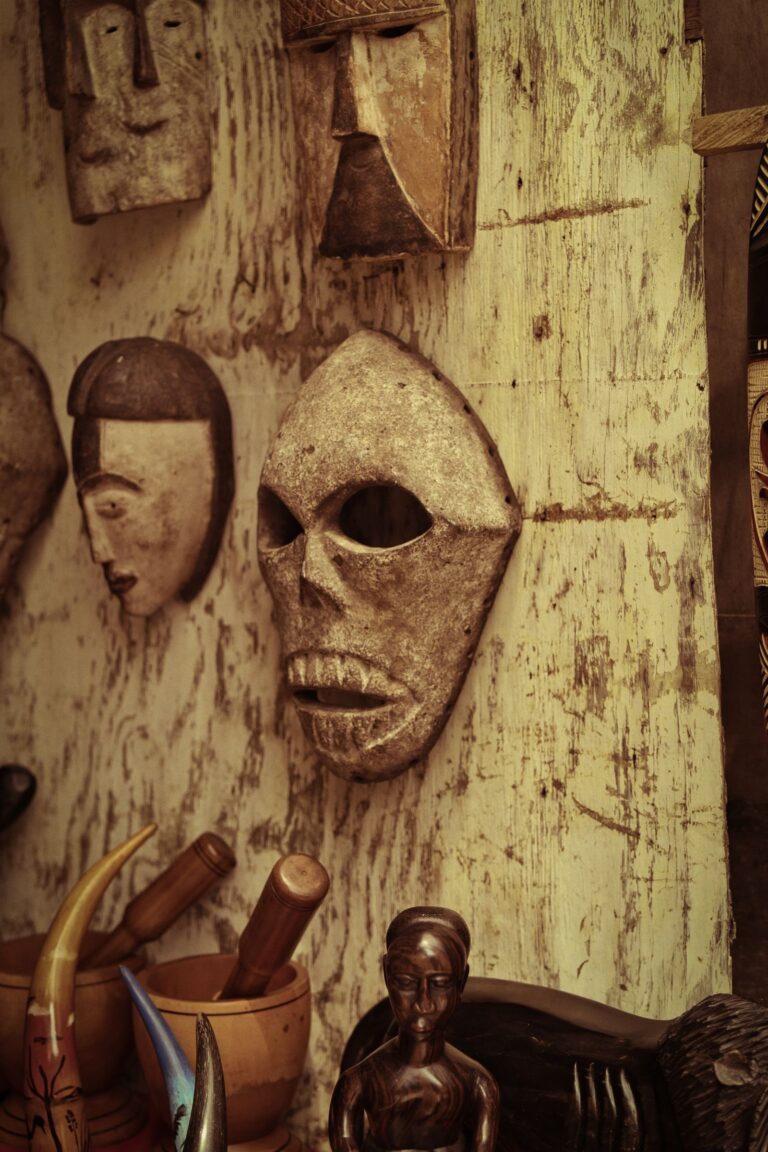
Heritage has two parts. The first is tangible. This means objects, buildings, textiles, masks, sculptures and sacred sites. The second is intangible. This means languages, proverbs, songs, festivals, craft skills, food traditions and spiritual practice.
Most of what disappears first is intangible. A mask can sit in a case for a hundred years. The knowledge of when to dance it, who may wear it and what words go with it can disappear in one generation.
Why heritage is at risk
Migration and urban life
Young people move to cities and abroad. Village ceremonies lose their audiences and their apprentices. A carver with no student has no future for his craft.
Loss of objects
For more than a century, African objects have left the continent through colonial collection, theft, sale and trade. Many sit in museums and private homes far from the communities that made them. In recent years, several museums have begun returning objects such as the Benin bronzes to Nigeria. Our post on African art restitution explains how that debate works.
Neglect of documentation
Much of Africa’s knowledge was passed by speech. That is a strength, but it makes records fragile. When no one writes it down or films it, the memory depends on a few old people.
Commercial pressure
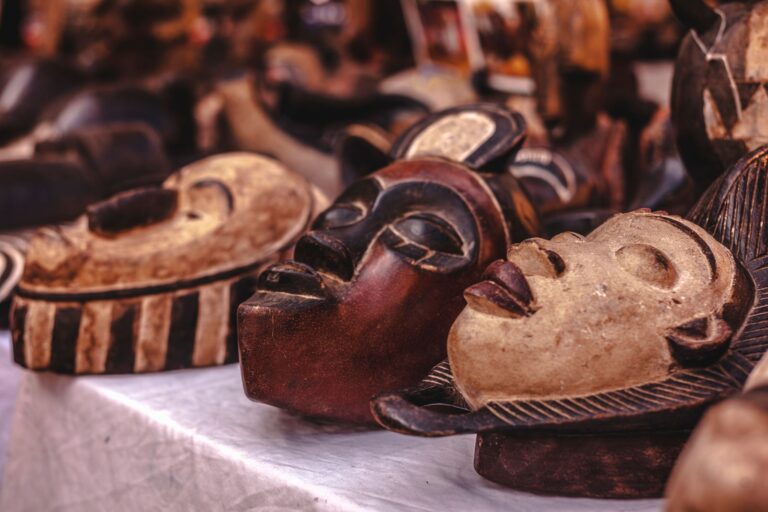
Tourist markets reward fast, cheap copies. Carvers who do careful work may struggle to earn a living. When sacred forms are sold as souvenirs, their meaning wears thin.
Seven ways to preserve African cultural heritage
- Record an elder. Sit with someone older in your family. Ask about names, songs, foods and festivals. Record with permission. Store a copy in two places.
- Learn the language. Even a few hundred words helps. Language holds ideas that translation loses.
- Buy from living carvers. Pay a fair price for new work in traditional styles, and learn the maker’s name.
- Ask about provenance. Before you buy an old object, ask how it left its community. Our mask identifier is a place to begin.
- Teach children. Tell stories. Take them to festivals. Let them see that heritage is alive.
- Support community led projects. Money works best when it follows the priorities of the people who hold the knowledge.
- Share honest content. Write, film and post with care. Avoid exoticising photos and name your sources.
What companies can do
Businesses working in Africa benefit from its culture, whether they say so or not. They use its music in adverts, its patterns in fashion and its stories in marketing. Fair sponsorship is a way of giving something back. It can fund documentation, school programmes, craft training and conservation work.
We explain how this can work in our guide to cultural heritage sponsorship for companies.
Avoid these mistakes
- Do not treat heritage as a museum piece. It belongs to living people.
- Do not speak for communities. Ask them what they want preserved and how.
- Do not romanticise. Some practices are changing for good reasons, and communities decide that for themselves.
- Do not wait for a perfect plan. Start with one recording, one conversation or one visit.
A closer look at intangible heritage
A song is a good example. A funeral song may carry the names of ancestors, the history of a clan and instructions for how to treat the dead. If the song is lost, a map is lost. Nobody can rebuild it from a museum object, because the object never carried the words.
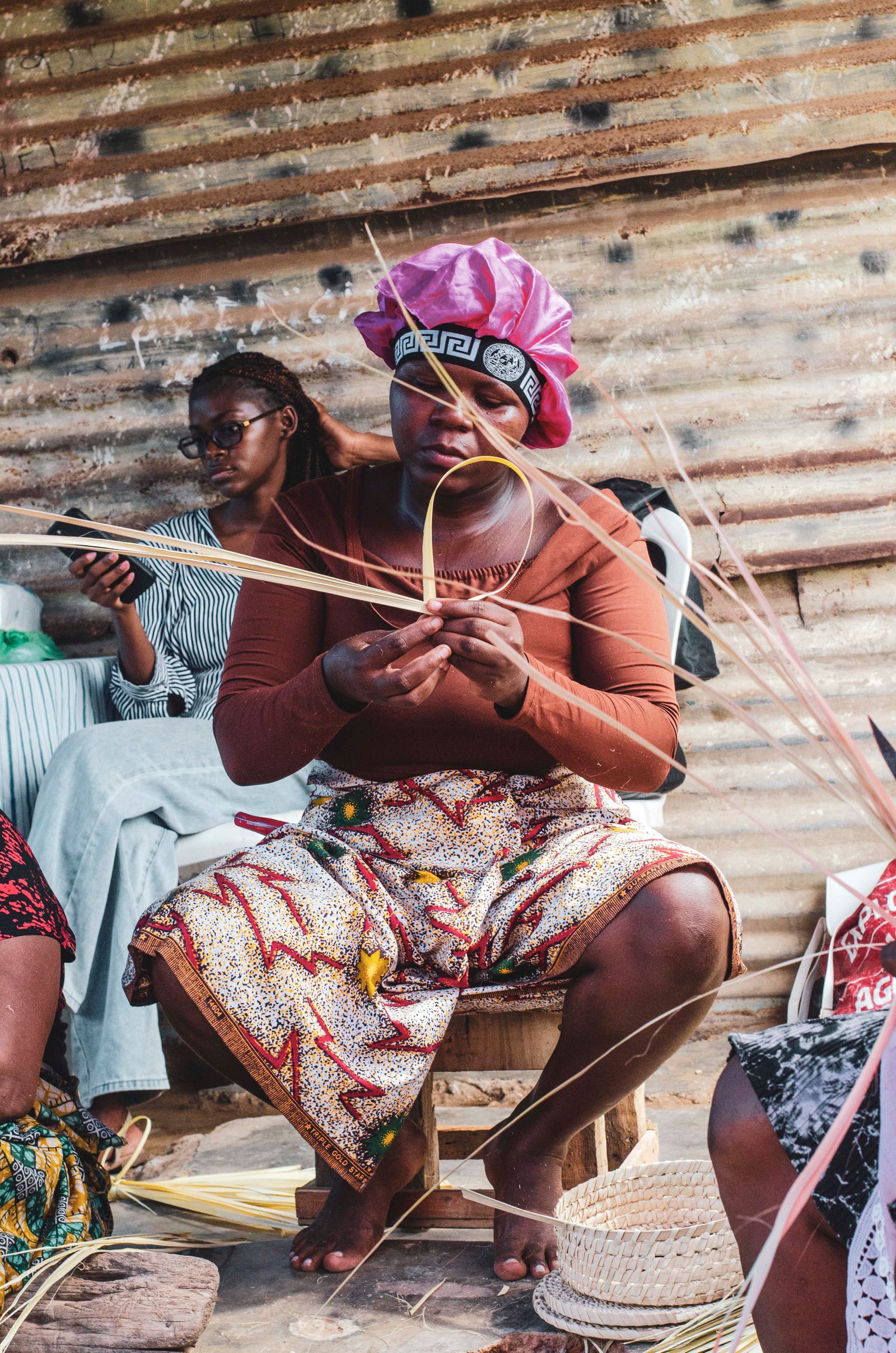
The same is true of craft. A carver knows which tree to cut, when to cut it and how to read the grain. He knows which tools to use and which taboos to respect. This knowledge lives in hands. When the hands stop, no book can fully replace them.
Small acts that add up
You may think your effort is too small. It is not. A single recorded conversation can become the only surviving account of a naming ceremony. A photograph with a clear caption can help a family trace an object. A child who learns three proverbs will carry them for sixty years.
Heritage survives because ordinary people decide, again and again, that it is worth the trouble. That decision belongs to you as much as to any institution.
Questions to ask before you act
- Who owns this knowledge, and have they agreed to share it?
- Will my work benefit the community or only me?
- How will the recording or object be stored so that it lasts?
- Who will be able to find it in fifty years?
Why it cannot wait
Proverbs, songs and ceremonies are explained by people. When those people are gone, the words remain but the meaning thins out. That is why this work is a duty that passes from one generation to the next. Each generation either hands it on or lets it drop.
Join the work
SEVICS Africa runs heritage conservation, a public database of African masks, education programmes and the #giveitback initiative. You can see what is happening on our campaigns page. If you want to take part, contact us.
You can also learn the stories behind these objects on the SEVICS Africa YouTube channel. Subscribe, share a video with your family and ask the oldest person you know one question this week. Start there.