Cockerel Mask of the Bwa: What It Was For and Why It Matters
Bwa (and neighbouring Bobo) | Burkina Faso | Funerary / Agricultural
What was it for?
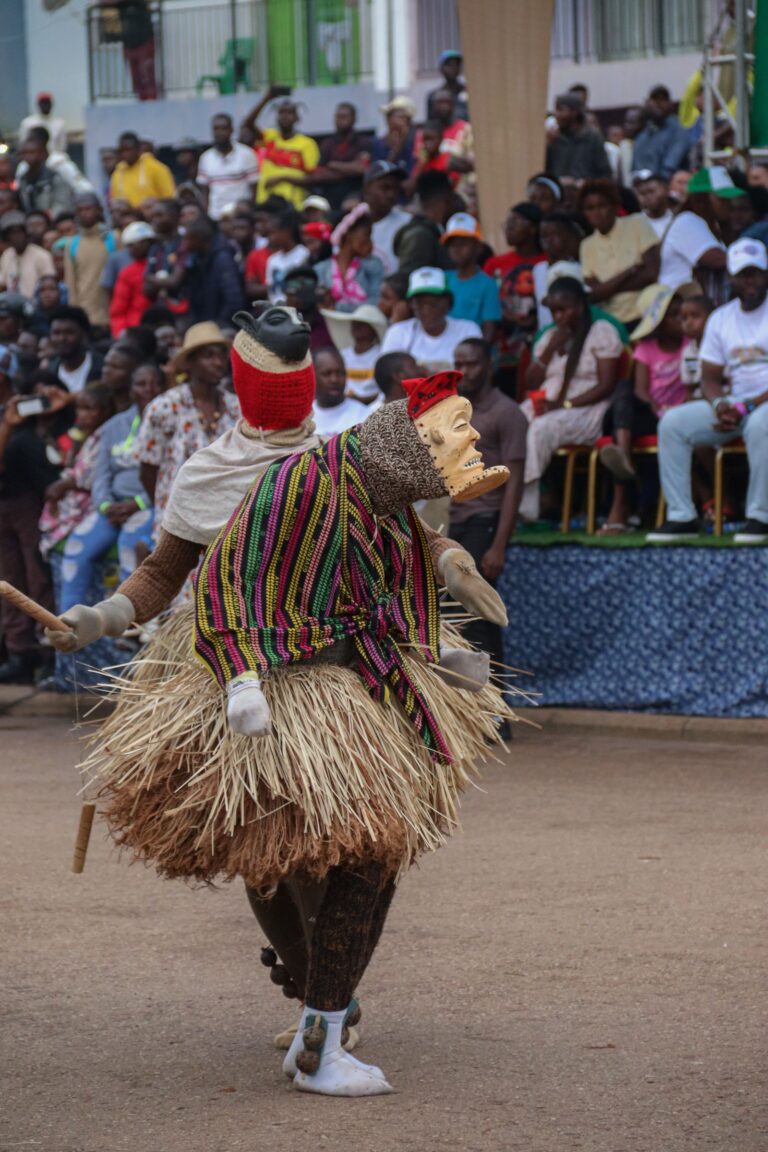
The cockerel mask is danced at funerals and agricultural festivals. Documented examples in major collections are Bwa, including one in the Metropolitan Museum titled Mask: Cockerel (Simbo Bagoun), from the village of Boni. Like other Bwa animal masks, it brings a nature spirit into the community at its most important gatherings.
What does it look like?
A stylised cockerel's crest rises above a round face, and the beak is prominent. The mask is painted in bold colours and geometric designs, in the manner of other Bwa masks. There is nothing ambiguous about which bird it shows.
Why does it matter?
The cockerel announces the dawn, and its daily call marks the return of light after the night. Bringing this familiar bird into the masquerade arena ties the great ceremonies of funerals and harvest to the everyday rhythm of village life.
One thing most people never know
The cockerel is a bird of the farmyard rather than the wild bush, yet it takes its place beside the butterfly, the hawk and the buffalo among the Bwa nature spirit masks. The spirits of the masquerade include creatures close to home as well as those of the open country.
Further reading: the source record for this entry.
This entry is part of the SEVICS Africa archive of 100 African masks. If you own a mask like this and want to know more about it, try our Mask Identifier.