Igbo Age Grade System: How Leadership Was Shared Before Chiefs
The Igbo age grade system is one of the best answers I know to a question people keep getting wrong. They ask who the king was. In much of Igbo land, there was no king. There was a village, a set of elders, a body of titled men, and a series of age groups that each had a job to do. Leadership was shared, and it was shared on purpose.
If you grew up in an Igbo community, you may remember the age grade as the group that cleaned the road, came out for a burial or fined a man who broke a rule. If you did not, here is how it worked and why it matters for any conversation about African leadership.
Leadership shared on purposeIGBO AGE GRADE SYSTEM
What an Igbo Age Grade Is
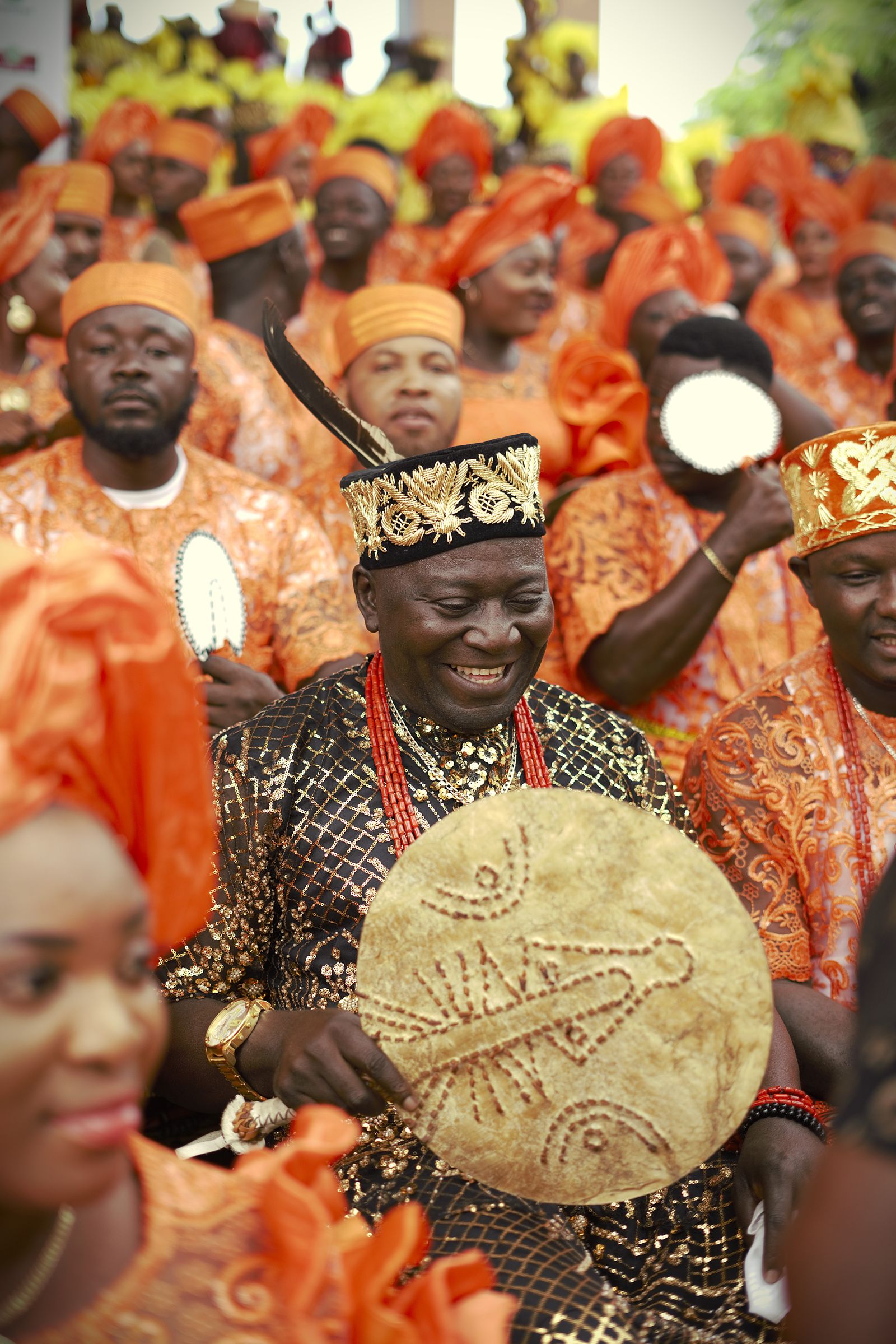
An age grade, often called ogbo, is a group of people born within a few years of each other. They are named, they are initiated together and they move through life as a unit. Practice varies by town. In some places the grades are formed every three years or so. In others the span is wider. In many communities men’s grades are the most visible in public life, and women have their own groups and associations.
What matters is the principle. Your age placed you inside a body that had duties to the village and rights within it. You did not get that place by wealth or birth. You got it by growing up.
Names matter too. A grade often took a name tied to an event of its birth years, such as a famine, a war or a good harvest. When elders say ‘those who were born in the year of the great rains’, they are reading history off the group. The age grade was a calendar as well as a team.
What Each Grade Did
Different grades carried different work. The youngest were often runners and labourers, the ones sent to clear paths, carry messages and fetch what the village needed. The middle grades did the heavy public work, such as building, repairing, policing and defence. The older grades advised, judged disputes and spoke for the village in larger matters. When a community needed a road cleared, a market guarded or a dispute settled, it knew which group to call.
The result was a village that could mobilise quickly without a ruler. The grade that was responsible simply acted.
Decisions Were Made in the Open
Igbo communities were known for decisions reached through discussion in assemblies, where those with standing could speak. Elders carried weight, but they did not rule alone. Titled men, family heads and the age grades each held a piece of authority. No one piece could overrule the others without paying for it. That is an argument against the idea that Africa only knew chiefs and kings. Igbo society worked out a distributed model long before anyone wrote the word for it.
I am not claiming it was perfect. It excluded some people, it favoured men in public life and it could be slow. But it was an answer, and a working one.
The Role of Women in Igbo Leadership
Women were not absent. Associations such as the umuada, the daughters of a lineage who have married out, held real power in family and community matters, and women’s groups could act together when something affected them. In 1929, thousands of women in south eastern Nigeria took part in what is now called the Aba Women’s War, protesting taxation fears and the conduct of colonial appointed chiefs. They organised without kings, using the same habit of collective action that the wider society had taught.
What Colonial Rule Did to the System
British administrators wanted someone to deal with. In parts of Igbo land that had no kings, they created them. They appointed men as warrant chiefs and gave them power that the community had never granted. These men answered to the colonial office rather than to their own people. The age grades and the assemblies were pushed aside, and a system built on shared accountability was replaced by one built on obedience upwards. The 1929 women’s protest was one response to that distortion. The warrant chief system later gave way to reform, but the damage to local authority was already done.
What the Igbo Age Grade System Teaches About Leadership Today
There are lessons here for any organisation. First, authority works better when it is spread across groups with clear duties. Second, people respect leaders more when they have come up through the ranks alongside others. Third, public work is stronger when it belongs to a group, not a single name. Many modern institutions would do well to borrow these ideas, and many community associations still do. Hometown unions, youth groups and village development committees are the age grade’s descendants.
It also gave young people somewhere to belong. A young man who is part of a grade has a place and a reputation to protect. He is less likely to drift, because a hundred people will notice if he does.
If you are building something, ask which of these you have. Who has clear duties? Who is accountable to whom? Who speaks for the whole group? If the answers are all ‘me’, you have a king, not a system.
Explore More on African Leadership
Our Leadership section looks at how African communities have organised authority, from the Ashanti Queen Mother to the elders of an Igbo village. For the cultures behind these systems, visit the cultures page. And if you want to hear how these ideas are discussed today, watch us on the SEVICS Africa YouTube channel.