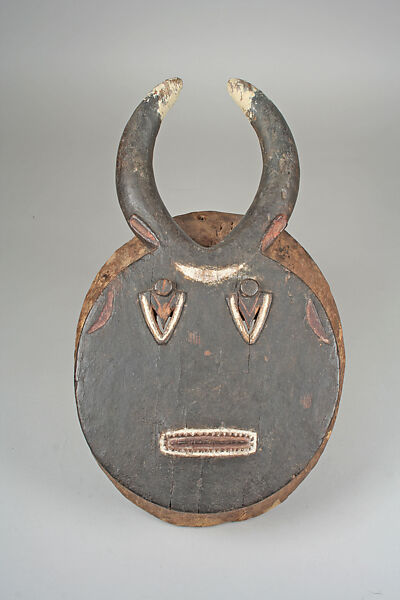
Bafo Sculpture: A Cameroonian Tradition Identified by a Single Gesture
New: the 2nd edition of Within Carved Lines: The Secret Meanings of African Masks is out now. Get the book →
Many peoples documented in this book left behind a rich, well-recorded body of art. The Bafo, who live in western Cameroon, left behind something narrower but still unmistakable: a specific carved gesture, both hands held to the chin, repeated across small and medium-size human sculptures made individually or in groups. That narrowness, an entire tradition surviving in the record through one recognizable pose rather than a wide catalogue of forms, is the throughline worth carrying through this piece. It places the Bafo alongside the Cameroon Grassland kingdoms covered elsewhere on this site, a large, more thoroughly documented artistic complex that shares the same general region without swallowing its smaller neighbor’s distinct visual signature.

A Tradition Known by One Gesture
Bafo sculptures take the form of standing, sitting, or crouching human figures, made both as individual pieces and in groups, with both hands consistently held to the chin. This gesture appears specific and repeated enough across the surviving corpus that it functions as an identifying mark of Bafo work, in much the same way a particular mask silhouette identifies other, better-documented traditions in this book.
Oath-Taking Figures and Bird Masks
The chin-touching sculptures were used in oath-taking ceremonies, tying the carved gesture directly to a solemn, socially binding act rather than to decoration or display. Alongside these figures, the Bafo also produced figures of birds, bird-headed figures, and other masks, many of them polychrome. Only about a dozen Bafo masks are known to survive in museum and private collections worldwide, and nearly all of them share one feature: a rectangular mouth held open on two rows of long, pointed teeth. That shared, violent expressiveness is thought to trace back to the masks’ use within the activities of a secret society charged with maintaining order, a single stylistic signature surviving across a strikingly small surviving corpus.
Frequently Asked Questions
Where do the Bafo live?
The Bafo live in western Cameroon.
What is distinctive about Bafo sculpture?
Bafo human sculptures, whether standing, sitting, or crouching, are consistently carved with both hands held to the chin, a gesture specific enough to identify the tradition.
What were Bafo oath-taking figures used for?
The chin-touching sculptures were used in oath-taking ceremonies, tying the carved gesture to a solemn, binding act.
Did the Bafo make masks as well as figures?
Yes. The Bafo also produced bird figures, bird-headed figures, and other masks, many of them polychrome, though less is documented about their specific ceremonial use.
How rare are Bafo masks?
Only about a dozen are known to survive in collections worldwide. Nearly all share a rectangular mouth open on two rows of long, pointed teeth, an expressiveness linked to their use by a secret society responsible for maintaining order.
See also: Cameroon Grassland Art: Ninety Kingdoms, One Common Ancestor, and a King Who Could Become an Elephant · Chamba Masks: A Skull-Shaped Helmet and the Girl Who Was Really a Buffalo