Similar Posts
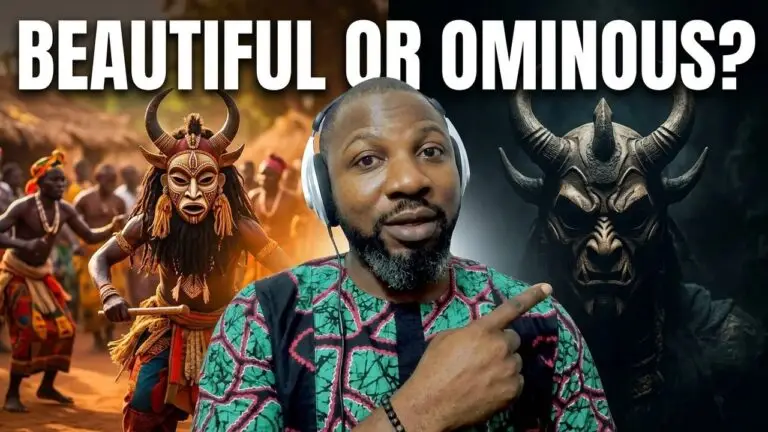
When an African Mask has horns: Does it signify evil?
From my book, Within Carved Lines What is the mask for? I grew up knowing what masquerade means, and now I watch the objects of that tradition sell for sums that could transform the villages they came from. The mask was made to hold a community together, to call the ancestors back, to teach the…
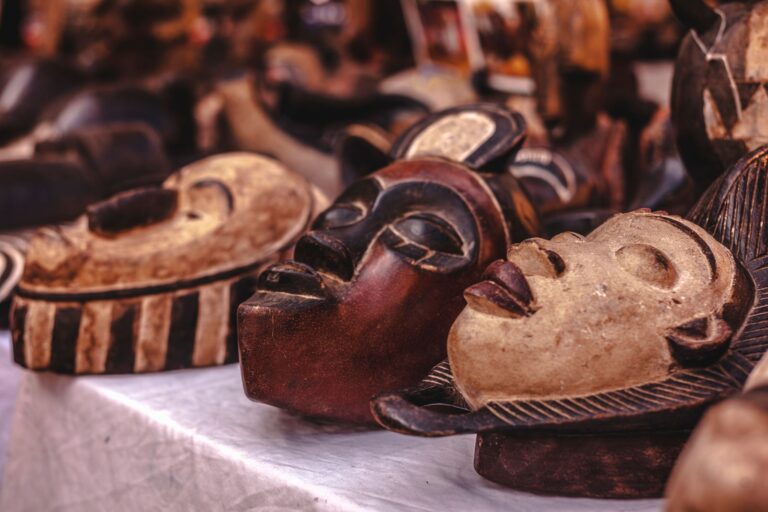
The Hemba So’o Mask at Auction: What the Catalogue Does Not Tell You
The catalogue photograph is perfect. Soft studio light. A dark background. A face that is half human and half chimpanzee, with a wide crescent mouth stretched almost from ear to ear. Underneath, a short paragraph, an estimate, and a list of previous owners. What you do not see is the funeral. The Hemba So’o mask…
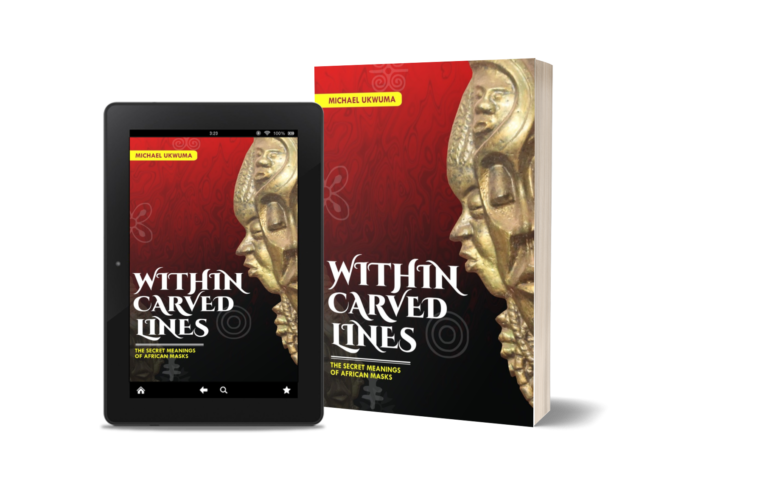
Book: Within Carved Lines | The Secret Meanings of African Masks
All that can be said cannot be seen. All that can be seen must never be said. About the book… In Within Carved Lines: Secret Meanings of African Masks, Michael Ukwuma invites readers on an extraordinary journey into the heart of African artistry and spirituality. This captivating book transcends the mere appreciation of African masks…