Similar Posts
Why an African Mask Feels Like It Is Calling Out to You
Many people who encounter an African mask—in a gallery, market, private collection, or museum—say something strikingly similar: “I acquired this African mask because it called out to me.” This experience is far more common than people realize. Across continents and cultures, individuals report feeling a strong emotional, energetic, or intuitive pull toward a specific African…
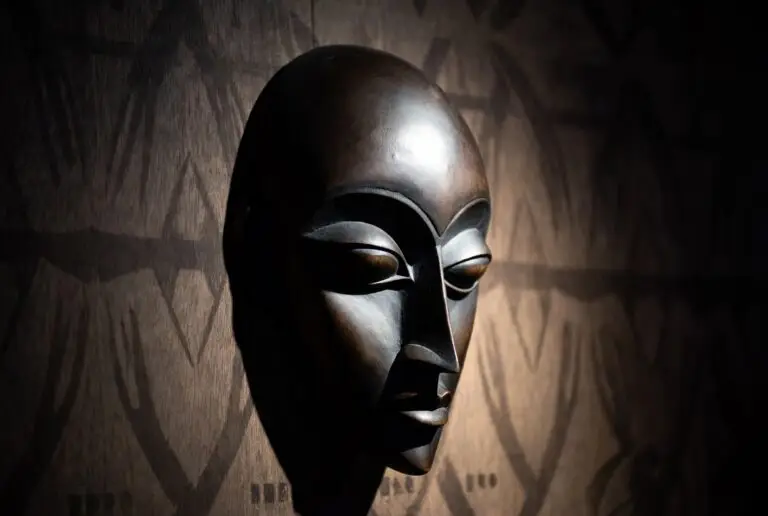
The Dan Mask of West Africa: Purpose, Symbolism, and Regional Variations
Found among the Dan people of Côte d’Ivoire and Liberia, these masks are among the most expressive in African art history.
Ejagham Masks: The Skin-Covered Faces of the Ngbe Leopard Society
New: the 2nd edition of Within Carved Lines: The Secret Meanings of African Masks is out now. Get the book → Most African helmet masks are carved, painted, and left as wood. Ejagham carvers, working in the Cross River region straddling southeastern Nigeria and Cameroon, took an additional and genuinely unusual step: they stretched real…
Traditional African Masks: Types, Meaning, and Where They Come From
Africa is not one mask tradition. It is hundreds of them, each tied to a specific people, a specific ceremony, and a specific set of beliefs about what a mask does when it is worn. Treating African masks as a single style flattens traditions that have almost nothing in common except the continent they come…
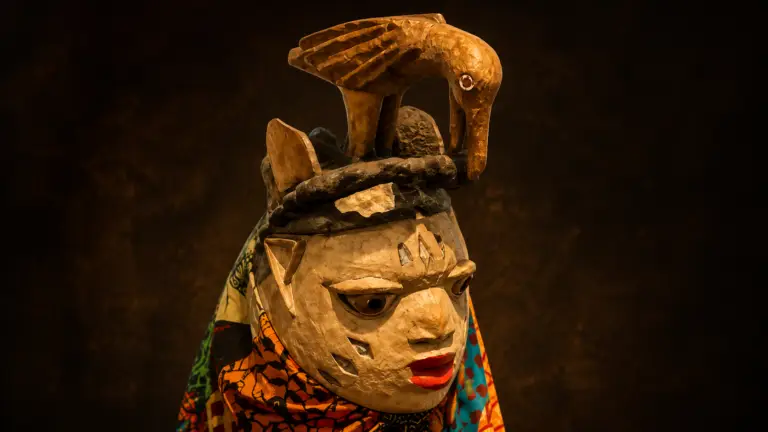
Yoruba Gelede Mask: Meaning, Ceremony, and Cultural Significance
The Yoruba Gelede mask is one of West Africa’s most celebrated ceremonial objects. Discover its origins, symbolism, and the UNESCO-recognised festivals it anchors.
Mbagani Masks: The Last Carvers of an Extinct People’s Name
New: the 2nd edition of Within Carved Lines: The Secret Meanings of African Masks is out now. Get the book → Not every masking tradition on this site comes with a settled explanation. The Mbagani are a useful reminder of that, and being honest about it is more useful than pretending otherwise. Their masks are…