The Hemba So’o Mask at Auction: What the Catalogue Does Not Tell You
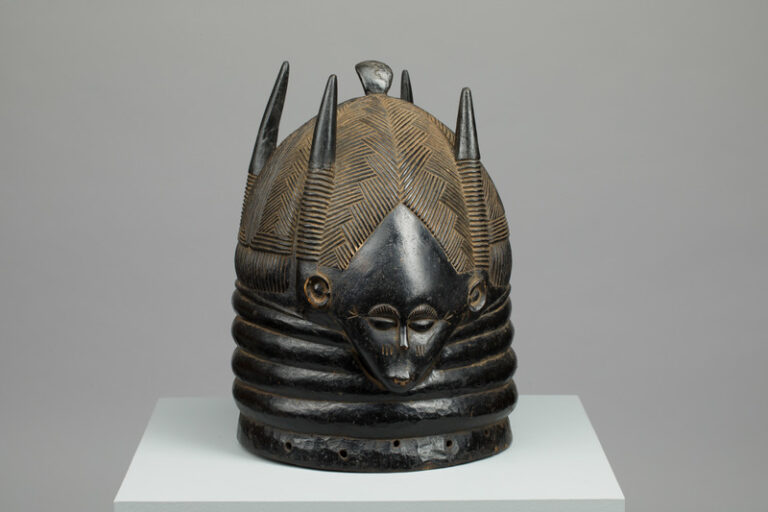
The catalogue photograph is perfect. Soft studio light. A dark background. A face that is half human and half chimpanzee, with a wide crescent mouth stretched almost from ear to ear. Underneath, a short paragraph, an estimate, and a list of previous owners.
What you do not see is the funeral.
The Hemba So’o mask has become one of the most recognisable masks from Central Africa on the international art market. Examples have appeared at major auction houses, including Christie’s. Collectors search for them by name. But very few buyers know what the mask did, who it belonged to, or how it left the Hemba in the first place. Those are not small questions. They are the whole story.
Watch on the SEVICS Africa channel: The $157 Mistake: Why This Attic Mask Sold for $4.4 Million
Who Are the Hemba?
The Hemba live in the southeastern part of the Democratic Republic of Congo, in the region between the Lualaba River and Lake Tanganyika. They are best known in museums for their ancestor figures, carved standing statues of male lineage founders with calm faces and elaborate hairstyles. Those figures were about memory and the authority of the clan.
The So’o mask belongs to a different part of Hemba life. It is wilder. It belongs to the space between the village and the forest, and between the living and the dead.
What the Hemba So’o Mask Represents
The mask shows a creature that is neither fully human nor fully animal. Most writers describe it as a chimpanzee or a hybrid spirit being. Its broad crescent mouth, its rounded forehead, and its flat nose give it an unsettling expression that sits somewhere between laughter and threat.
The mask was associated with the So’o society and was used in rituals connected to death and funerals. In those performances, the masked figure appeared as a being from the wilderness. Its behaviour could be disruptive, frightening, and comic at the same time. That mixture mattered. Death breaks the order of a community. The So’o figure acted out that disorder so that order could be restored.
For a fuller account, read our earlier article on Hemba masks and the So’o society.
How Hemba So’o Masks Reached the Market
Here is where the story gets uncomfortable.
Most So’o masks now in Western hands left the Hemba region during the twentieth century. Some left during the colonial period, when Belgian administrators, missionaries, and traders collected widely. Many more left in the decades after independence, as dealers moved through eastern Congo and political instability made communities vulnerable.
Some objects were sold by their owners. Some were sold by people who had no right to sell them. Some were taken. And for many masks, nobody wrote down which of those happened.
That is the gap the auction catalogue cannot fill.
How to Read the Provenance Line
The provenance section of a catalogue lists previous owners. It is the most important paragraph on the page, and the one most buyers skim.
What a strong provenance looks like
A strong provenance traces the object back as far as possible, ideally to the moment it left Africa. It names collectors, dates, and documents. It may cite old photographs, exhibition records, or field notes.
What a weak provenance looks like
Be careful when you see phrases like these.
- Private collection with no name and no date.
- Acquired in the 1970s with no source.
- A history that starts in a European gallery with nothing before it.
- Gaps of many decades between owners.
A weak provenance does not prove an object was looted. But it means nobody can show you that it was not.
Fakes and Workshop Copies
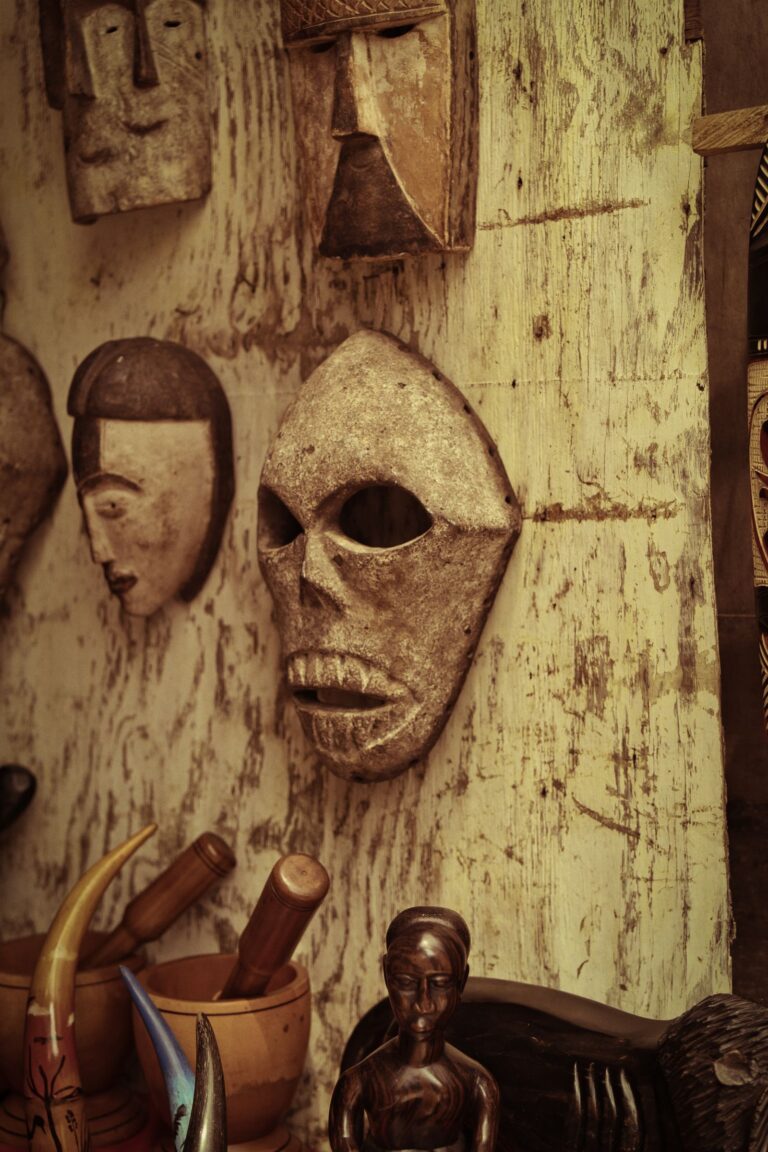
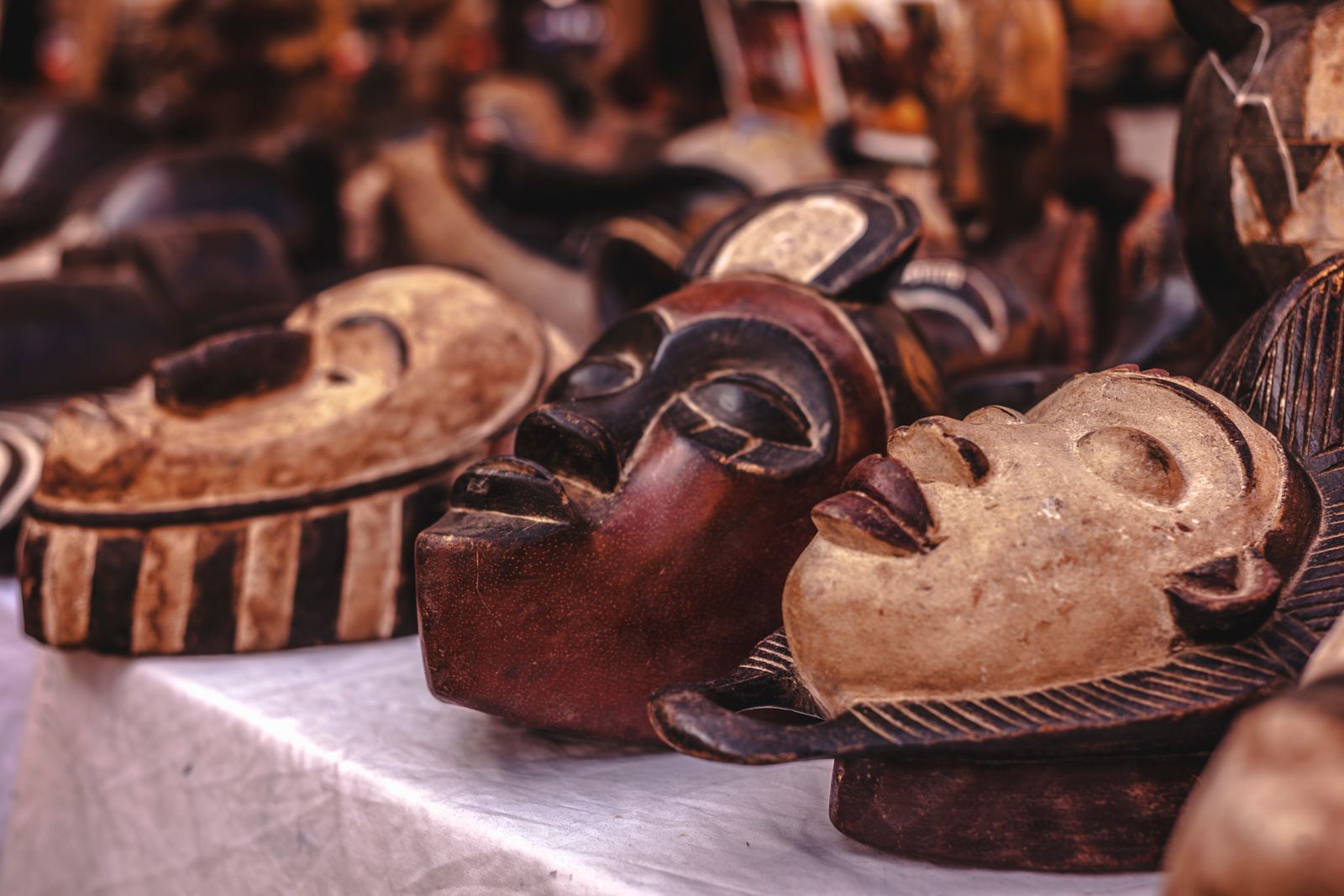
Because So’o masks are popular, many copies exist. Some were carved for the tourist trade and are honest about it. Others were artificially aged to deceive.
Signs that deserve a closer look include wear in places a dancer would never touch, uniform surface colour with no build up in protected areas, and fresh tool marks under an old looking patina. A good expert will look at the inside of the mask, the attachment holes, and the pattern of handling. Our guide to identifying African masks explains what to look for.
The Ethical Questions Behind Every Sale
I want to say something directly to anyone thinking about buying.
A mask like this was not made to be looked at in a living room. It was made to be danced at a funeral by people who believed it carried real force. That does not mean no one outside the Hemba should ever own one. But it does mean ownership comes with responsibility.
Ask yourself these questions before you bid.
- Can the seller show me how this object left the Democratic Republic of Congo?
- Would I be comfortable if a Hemba elder asked me how I came to own it?
- If evidence of theft appeared later, would I be willing to return it?
These are the questions that our campaign for bringing African masks home asks of collectors and institutions. They are also the questions we explore in what it means to own an African mask outside Africa.
What Collectors Can Do Better
There is a better way to collect.
Buy with documentation or do not buy. Make full provenance a condition, not a bonus.
Support source communities. If you collect Hemba art, support cultural and educational work in the region.
Share what you know. Collectors often hold photographs and records that researchers and communities need. Make them available.
Treat the object with respect. Learn its story. Tell it accurately when people ask.
Own a mask and want to know its story? Start with the free Mask Identifier, or ask for an in depth reading of your mask. I will tell you what tradition it belongs to, what it was made for, and whether it was ever danced.
Join the Campaign
SEVICS Africa believes African heritage should be understood, respected, and where appropriate, returned. See what we are working on at Our Campaigns, or contact us if you hold records that could help. And for the stories behind masks like the So’o, watch the SEVICS Africa YouTube channel.