African Art Restitution Explained: Why the Return of Masks and Bronzes Matters
African art restitution is the return of objects taken from African communities, often during colonial rule, to the people they came from. It sounds simple. It is not. Every mask in a Western museum case has a route behind it, and the route is not always one you would want to explain to the family that carved it.
Let’s dig in. Shall we? I want to cover what restitution means, what has actually happened, and where I think the conversation should go next.
Whose is this, and why is it not here?AFRICAN ART RESTITUTION
What African Art Restitution Means
Restitution means giving back. In the African context it usually refers to objects removed during conquest, punitive expeditions or colonial administration, and kept in museums and private collections abroad. Repatriation, return and transfer of ownership are related terms, and people argue about the differences. For communities, the question is plain. Whose is this, and why is it not here?
It is also worth saying what it does not mean. It does not mean every African object in a foreign museum was stolen. Some were bought, some were gifted and some were traded fairly. The difficulty is that for many pieces nobody can prove which. That uncertainty is why provenance, the documented history of an object, matters so much.
The Benin Bronzes: The Case Everyone Knows
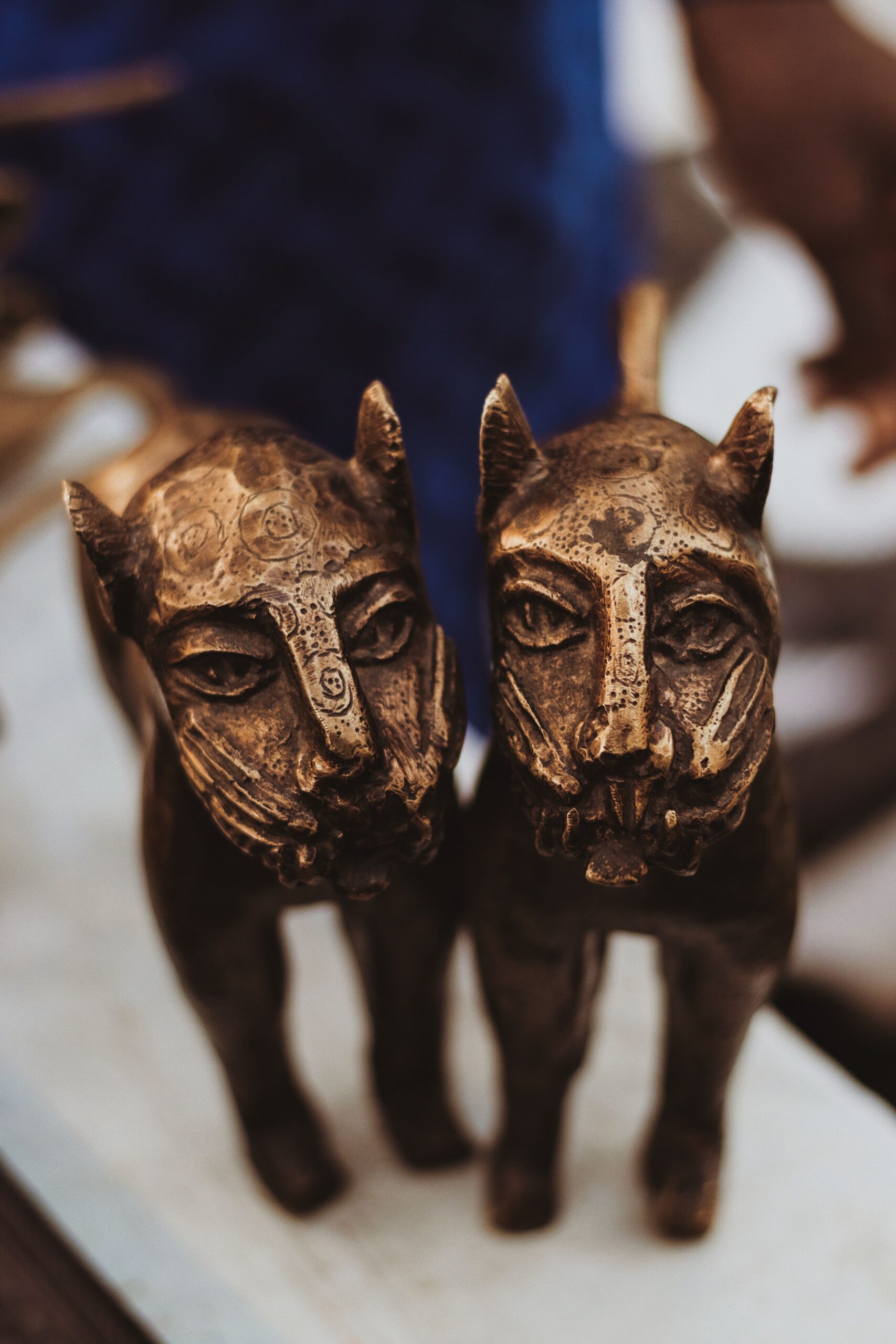
In 1897, a British military expedition entered Benin City, in what is now Nigeria, and sacked the royal palace. Thousands of brass and ivory works, including the famous plaques and heads, were carried off. Many were sold to fund the expedition and ended up in museums across Europe and North America. They are not masks, but they set the template for the whole debate. Here is a clear case of objects taken by force, held for more than a century and still shown in cases abroad.
What Has Actually Been Returned
Progress has been real, though uneven. In 2018 a report commissioned by the French president recommended returning African objects held in French museums. In 2021 France returned 26 royal treasures taken from Abomey in 1892 to the Republic of Benin. In 2022 the Smithsonian’s National Museum of African Art transferred ownership of 29 Benin objects to Nigeria, and Germany agreed to transfer ownership of the Benin Bronzes in its museums.
These are major steps. They are also a small fraction of what is held. Check recent news before you quote any of these figures, because this story keeps moving.
Why Masks Are a Harder Case
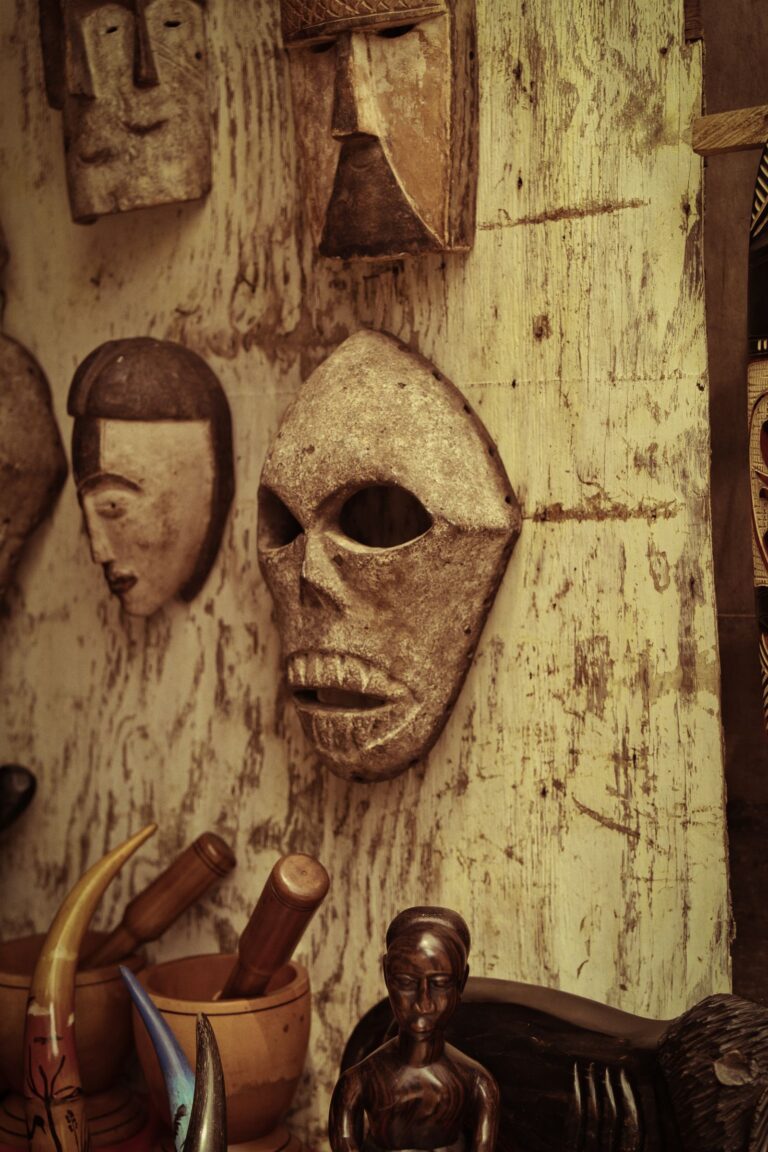
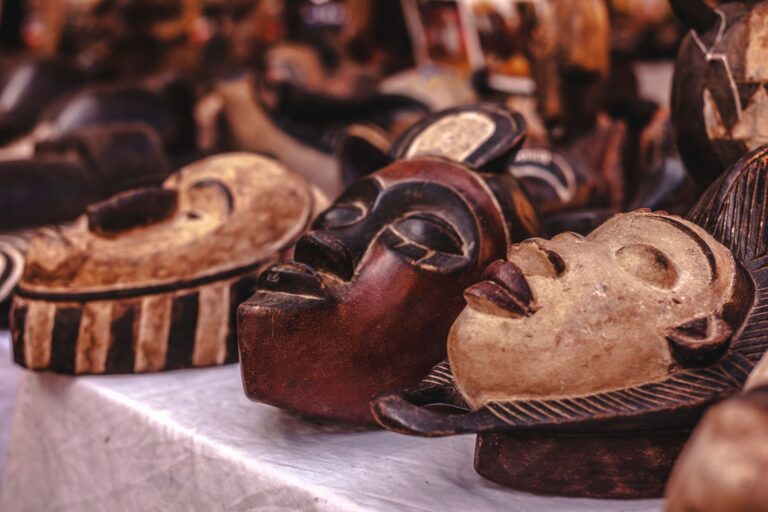
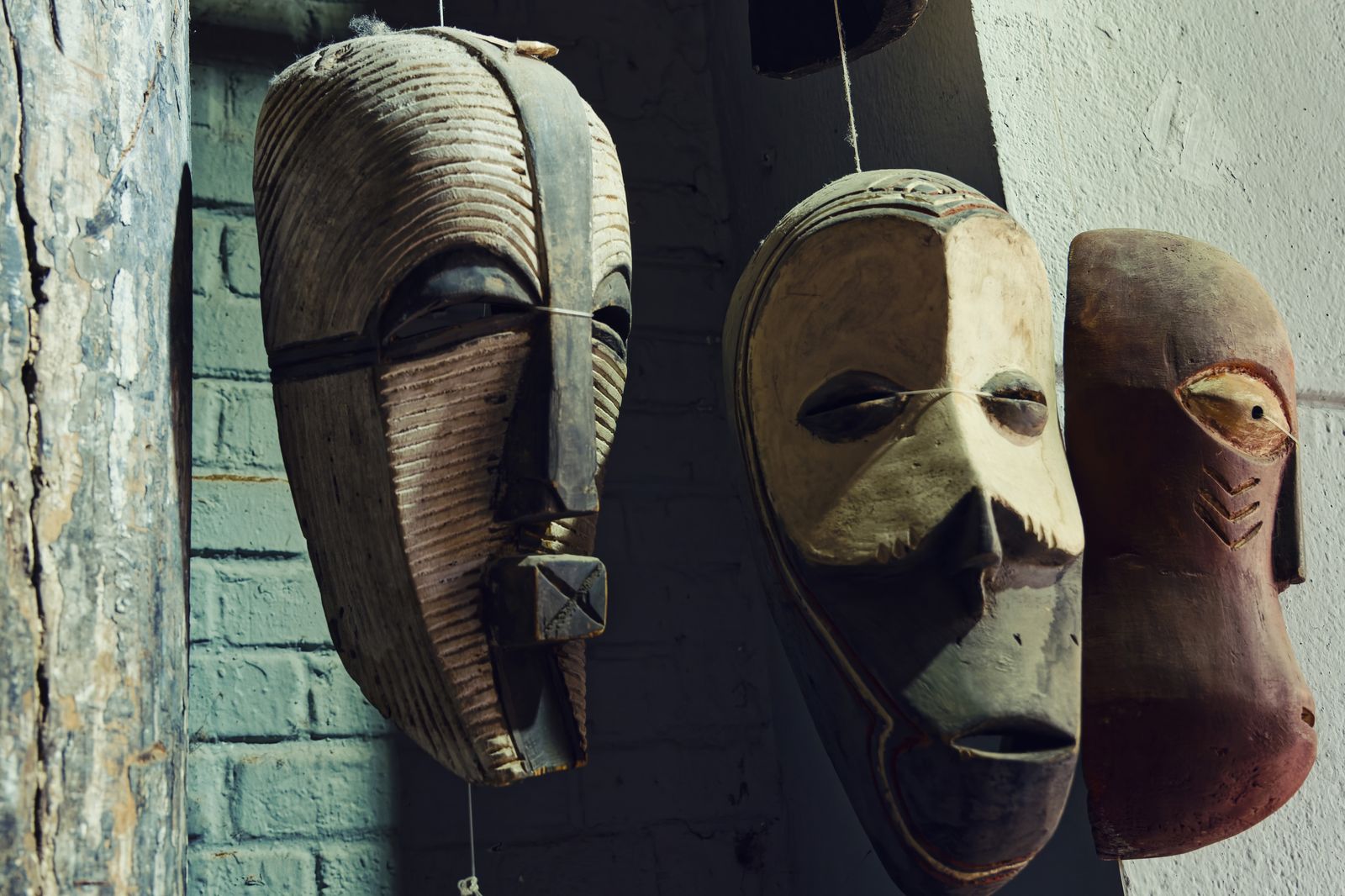
Masks are not like royal treasures. Most were made for communities, not courts, and they were often made to be used, repaired and replaced. Some were meant to be retired or left to decay after their work was done. A mask in a museum case may be the opposite of what its makers intended. Others were sold willingly by communities facing hunger, conversion or pressure. So the right question is often not ‘was it stolen’ but ‘was the seller free to say no’.
A museum label that reads ‘ritual mask, West Africa’ tells you almost nothing. The people who made it had a name, a village and a purpose, and a good label would say so.
Then there is the market. Masks sold at auction with thin provenance, such as the one we examined in our piece on the Hemba So’o mask at auction, move into private hands where nobody can examine them at all. That is where the trail goes cold.
The Strongest Objections, and Honest Answers
People who oppose return raise three points. They say objects are safer abroad. They say museums that hold them educate the world. They say rightful ownership is unclear. Each has some force. But safety is a reason to fund museums in Africa, not a reason to keep the objects elsewhere. Education works best when the people the objects belong to are part of the conversation. And unclear ownership is a reason to investigate, not to stop asking.
What Return Can Look Like
Return does not have to be a single scene. It can mean permanent return, long term loans, shared custody, digital access, joint research and funding for local museums. The point is that the decision sits with the community, not with the holder. Some communities will want the object back in the compound. Some will want it in a national museum. Some will ask only that it be named correctly and shown with respect. All of these are legitimate answers.
Money matters here. Museums in Africa need climate control, security, trained staff and public programmes, and those cost real sums. Countries that hold the objects can fund this without making return depend on it. A fair deal pays for the house before sending the guest home, and then does not ask the guest to be grateful.
What You Can Do if You Own or Buy African Art
If you own a piece, ask where it came from. Keep every receipt and every record. If a seller cannot tell you who owned it before, treat that as information. If you want to collect carefully, our mask identifier can help you start with the right questions about culture and use. And if you think an object in your care should go home, ask the people it belongs to what they want first.
Why African Art Restitution Is a Campaign, Not a Headline
The news will always report the big handovers. The slow work is in the research, the community consultation and the museum buildings that have to be built before anyone can send an object home. That is the work our campaigns exist to support.
Watch the conversation on the SEVICS Africa YouTube channel and tell us where you think the line should be. Who should decide? What should come back first? And what should we all be willing to give up so the answer is fair?