Ubuntu Leadership: What an African Idea of Leadership Teaches Managers
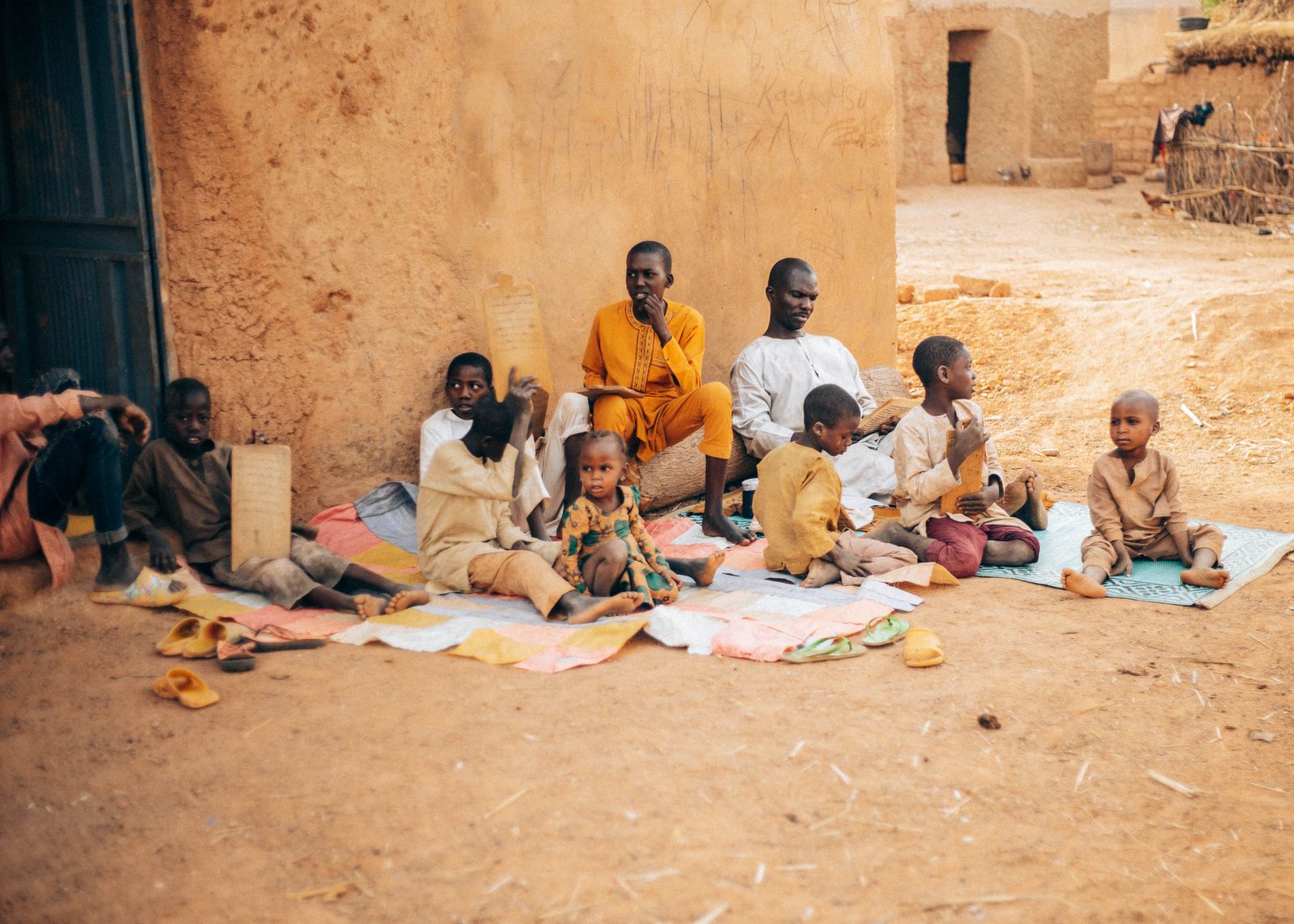
A stranger walks into a village. He is tired, thirsty and far from home. Nobody asks him who he is first. Somebody brings water. Somebody brings food. A family offers him a place to sleep. That is the picture Nelson Mandela used when he was asked to explain ubuntu. It is the clearest picture I know of ubuntu leadership.
If you want to understand it, start there. Not with a corporate slide. Not with a training workshop. Start with a stranger and a cup of water.
Today I want to explain what ubuntu means, how it shapes the idea of a good leader, and what a modern manager, pastor, director or parent can take from it. Let’s dig in. Shall we?
What does ubuntu mean?
Ubuntu comes from the Nguni languages of southern Africa, such as Zulu and Xhosa. The best known expression is umuntu ngumuntu ngabantu. It is often translated as a person is a person through other people. Similar ideas exist across southern Africa. In Setswana and Sesotho, the word is botho.
The core idea is simple. You are not a complete human being alone. Your dignity, your growth and your character are tied to the people around you. When you diminish another person, you diminish yourself.
Desmond Tutu spoke about ubuntu often, and Mandela carried it into public life. Both men understood that it is not a soft idea. It is a demanding one.
Leadership in this tradition is a service held in trust
There is a Setswana proverb that says kgosi ke kgosi ka batho. It means a chief is a chief by the people. Read it twice. The power does not belong to the chief. It is lent to him by the community.
In many African societies, a leader was expected to consult. Elders, councils and age groups all had a voice. A chief who ignored the people could lose their loyalty and, in some places, his position. Authority was real, but it had to be earned again and again.
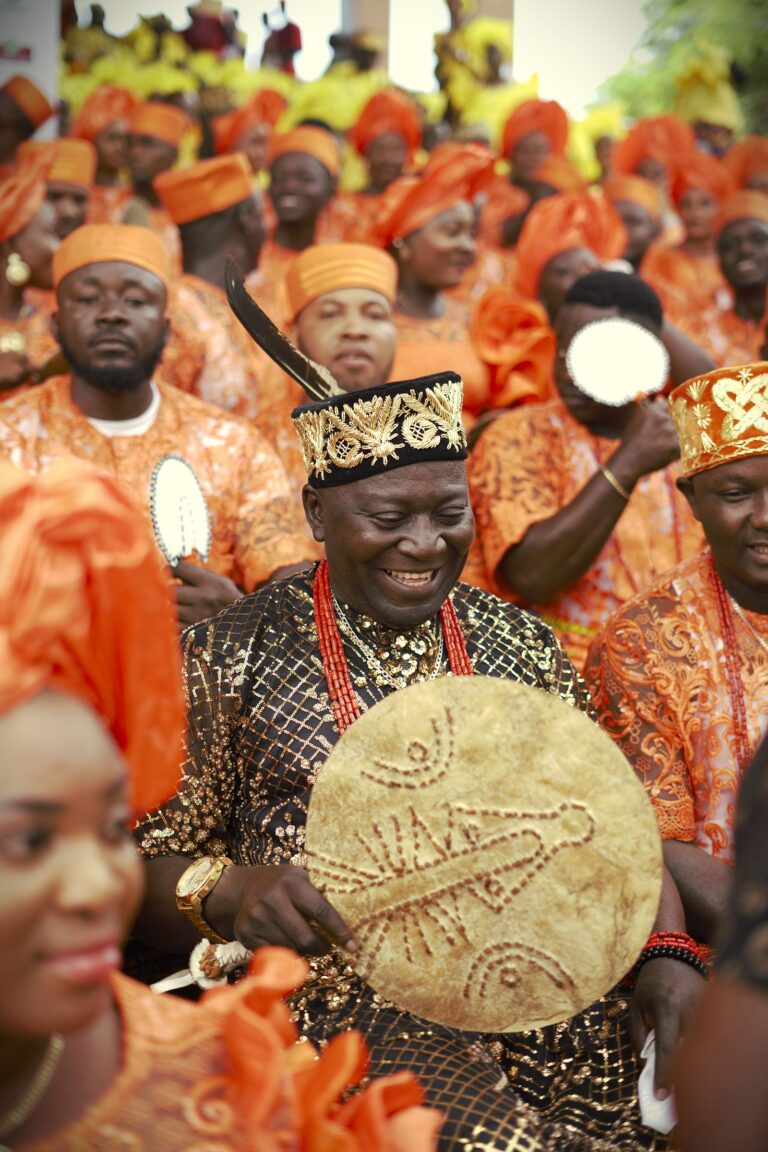
We see a different way of sharing leadership among the Igbo. Read our post on the Igbo age grade system to see how responsibility moved through generations, so that no single person carried all of it.
Five habits of ubuntu leadership
1. Listen before deciding
A leader who consults is not weak. He is gathering what the community knows. In a village meeting, people speak until the matter is exhausted. Decisions made that way tend to hold, because everyone helped make them.
2. Protect the weakest first
The stranger, the widow, the child and the sick person come first. A community is judged by how it treats them. A leader who builds a team where the quietest person is safe has understood ubuntu.
3. Share credit and share blame
Success belongs to the group. So does failure. A leader who blames one person for a team failure has cut the cloth of ubuntu. A leader who claims the whole victory has done the same.
4. Make peace as well as win arguments
Many African traditions place great value on reconciliation. In South Africa, the Truth and Reconciliation Commission was shaped by this thinking. It tried to restore relationships, not only to assign guilt. You may disagree with how well it worked, but the idea behind it was clear.
5. Remember that you are accountable to those who come after
Ancestors and descendants both watch. A leader makes decisions for people who are not yet born. That is a long horizon. It is also a very practical one.
Where ubuntu leadership is often misunderstood
Ubuntu is not a way to avoid hard decisions. It does not mean everybody agrees. It does not excuse corruption, and it does not mean leaders should never punish wrongdoing. A community that never holds anyone accountable is not practising ubuntu. It is practising fear.
It is also not a brand. Some companies print the word on a wall and then treat staff like tools. That is not ubuntu. That is decoration.
How to use these ideas at work
Here are simple questions you can ask next week.
- Who in my team has not spoken in the last three meetings, and why?
- Whose voice did I overrule, and did they get a fair hearing?
- Who benefits if I take this decision, and who pays?
- If a stranger walked into my office, would anybody offer water?
These are small questions. They change how a team feels.
Women have always led in these traditions
When people talk about African leadership, they often picture a male chief. That picture leaves out too many women. Queens, queen mothers and women’s councils held real power across the continent. Read about Queen Idia and leadership in Benin to see one example.
A short story about listening
Picture a village meeting in a compound under a mango tree. A young man is accused of letting his goats destroy a neighbour’s farm. The elders do not rush. The neighbour speaks. The young man speaks. An old woman adds something nobody expected. By the end, the goats are not the main issue. Two families have not spoken in a year.
The settlement is simple. The young man repairs the fence, and the two families share a meal. Nobody leaves humiliated. Nobody leaves unheard. That is ubuntu at work. It does not remove conflict. It treats conflict as a problem between people who must keep living together.
Ubuntu and modern organisations
Many managers say they want a culture of trust. Few build the conditions for it. Ubuntu offers a practical test. Ask whether a person can disagree with you and still be treated with dignity. Ask whether a junior staff member can bring bad news without fear.
If the answer is no, you do not have an ubuntu culture, whatever the poster says. You have a hierarchy that dislikes noise. Ubuntu asks leaders to welcome the noise, because noise is information.
Build leadership that lasts
Leadership is a thing you practise, not a title you hold. SEVICS Africa works on youth empowerment, ethical leadership, community engagement and women’s leadership. You can see more of our work on our about page and our campaigns page.
If your organisation wants to build governance and systems with a culture of accountability, our corporate support work was designed for that. Watch our stories on leadership and heritage on the SEVICS Africa YouTube channel.
Now tell me. Who taught you what a good leader looks like? Write it down. Then ask yourself whether you are doing it.