Traditional African Leadership Lessons: What Griot Councils Teach Us About Consensus
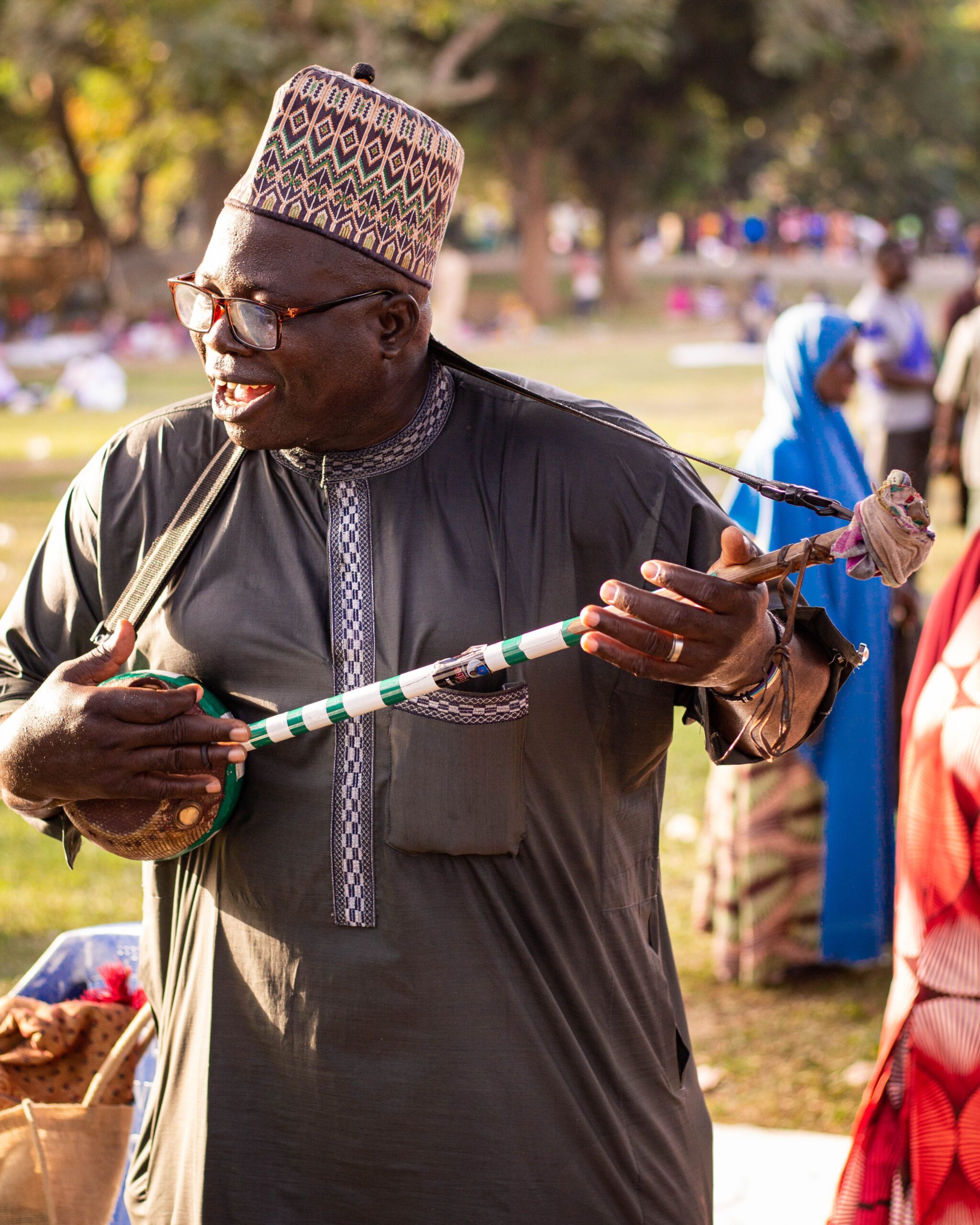
Picture a courtyard in the old Mande world, somewhere in what is now Mali or Guinea or Senegal. A ruler sits under a canopy. Two families are arguing over land their grandfathers once shared. Before the ruler speaks a single word, an old man steps forward with a small stringed instrument. He does not shout. He sings. He recites the names of the ancestors on both sides, the treaties they signed, the debts they owed each other, the promises nobody wrote down because nobody needed to. By the time he finishes, the ruler already knows what the people expect him to say.
That old man is a griot. In Mande languages he is called a jeli, and his craft is jaliyaa. And if you want to understand traditional African leadership lessons that still matter today, you start with him, not with the ruler.
Ask yourself something. Where did power actually sit in that courtyard? Not with the man under the canopy. With the man holding the memory.
The Griot Was the Memory of the State
Griots are hereditary oral historians. They are praise singers, genealogists, musicians, and advisors. You find them across West Africa, especially among Mande speaking peoples tied to the old Mali Empire, the Mandinka, the Bambara, and related communities in modern Mali, Senegal, Guinea, the Gambia, and Burkina Faso.
Their authority did not come from a title. It came from memory. A griot held the record of lineages, wars, treaties, and precedent. When a ruler or a council needed to know what had been agreed before, who owed what to whom, who had wronged whom two generations back, they turned to the griot. Not to a scribe. Not to a court record. To a man trained since childhood to carry the past in his mouth.
This matters because it tells you something about how leadership worked before anyone assumed a chief or king ruled alone. A ruler without a griot was a ruler without accountability. He could not simply invent history to suit himself. Someone in the room remembered differently, and that someone had standing to say so in public.
Why the Griot Could Speak Plainly to Power
Here is the part people miss. Griots were often the ones who criticized rulers most directly, and they got away with it. Why? Because praise song and proverb carried a kind of social protection. A criticism wrapped in praise still landed. A warning delivered through a proverb still cut. But it cut in a form that let both sides keep their dignity.
Think about that function for a moment. Every effective leadership structure needs someone who can tell the person in charge an uncomfortable truth without starting a war. Griots occupied exactly that role. Status in the profession was hereditary. Griots historically married within griot families, which kept the training, the genealogies, and the diplomatic skill concentrated and passed down with care, the way a blacksmith’s children learn the forge.
Traditional African Leadership Lessons From a Council, Not a Crown
This is where the real lesson sits. West African oral governance was never just one man deciding. It was consensus built through memory, mediation, and public accountability, standing in for the written contracts we lean on today.
A ruler proposed. The griot recalled precedent. Elders and family heads responded. Agreement had to hold in public, in front of people who would remember it themselves. You could not quietly rewrite what had been settled, because the settlement lived in many mouths, not one archive that could be locked away.
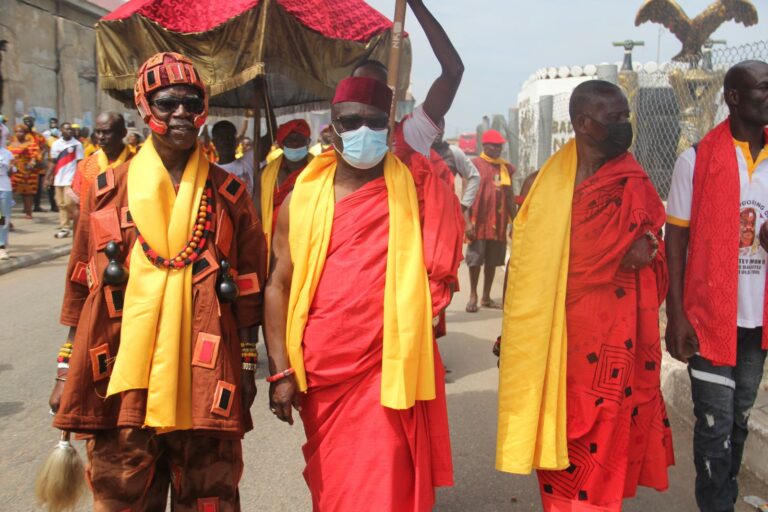
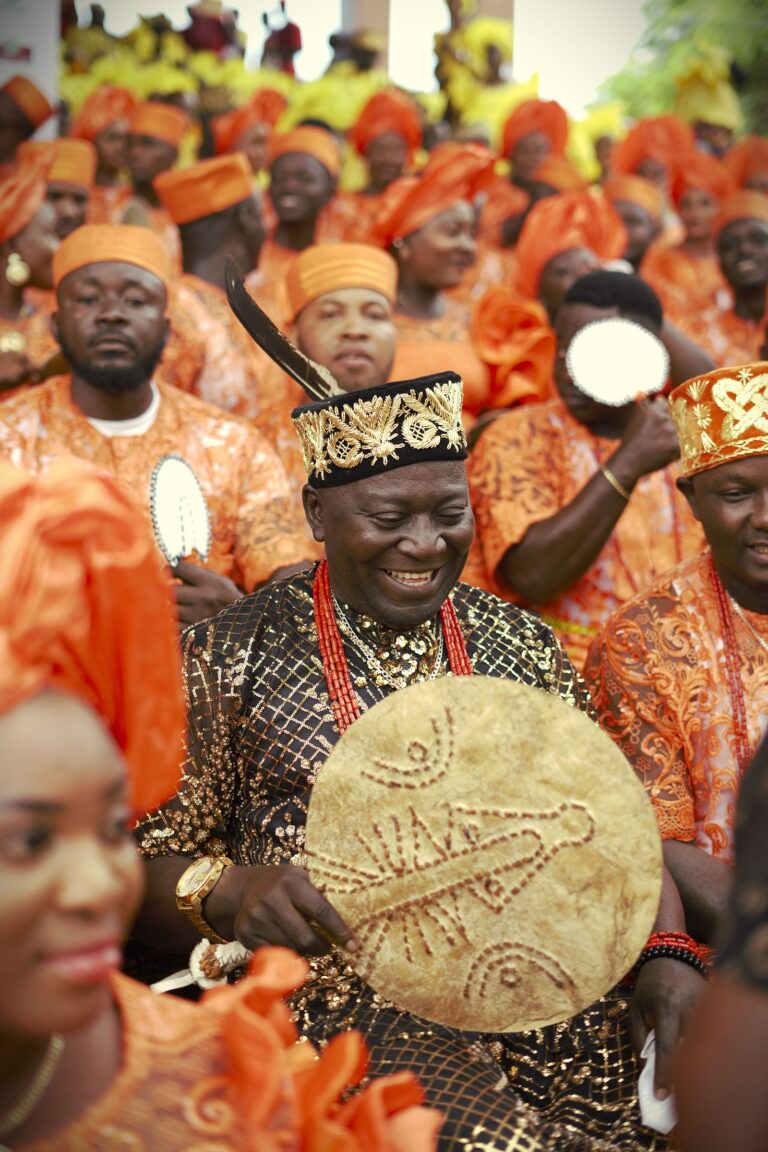
This is not unique to Mande societies, though the griot tradition is the clearest and best documented version of it. Among the Igbo, the council of elders, the Ndichie, and the age grade system did something structurally similar. Age grades held responsibility for different kinds of communal work and discipline. Elders held precedent and moral weight. Decisions moved through discussion, not decree. Among the Akan, chieftaincy councils operated on a related principle, a chief who ruled against his council’s consensus did not rule for long. Different traditions, different names, the same underlying instinct. Power answers to memory and to the group, not the other way around.
Consensus Is Not Weakness
Here is where I want to be direct with you. Somewhere along the way, consensus got mistaken for indecision. People assume a strong leader is one who decides alone and fast. The griot tradition says the opposite. A leader who decides alone and fast is a leader with no one to correct him when he is wrong, and every leader is wrong sometimes.
Consensus built through memory slows a decision down just enough to catch the mistake before it becomes policy. That is not weakness. That is design.
What Modern Leadership Keeps Forgetting
Walk into most boardrooms, most government offices, most church councils today, and ask a simple question. Who in this room has the job of remembering what we agreed to last time, and the standing to say so out loud if we are about to contradict it?
Usually nobody. We have minutes nobody reads. We have precedent nobody enforces. We have leaders who reinvent history because no one in the room is trained, protected, and expected to correct them.
That is the gap. Not a lack of smart leaders. A lack of griots. A lack of people whose entire function is memory, mediation, and the courage to speak plainly because their role protects them for doing it.
You do not need a praise singer with a stringed instrument in your office. But you need the function. Someone who remembers. Someone who can tell you the truth without it costing them their place at the table. Every council that lasted long in Mande society, in Igbo society, in Akan society, built that function into its structure on purpose. It did not happen by accident, and it will not happen in your own life or organization by accident either.
The griot did not rule. The griot made sure the ruler could be trusted. That distinction is the whole lesson, and it is worth sitting with.
If this kind of leadership history speaks to you, go deeper. Explore more traditional African leadership lessons and cultural analysis at sevics.africa’s leadership section, and find the SEVICS Africa YouTube channel for video essays that bring these councils, these masks, and this ancestral wisdom to life.