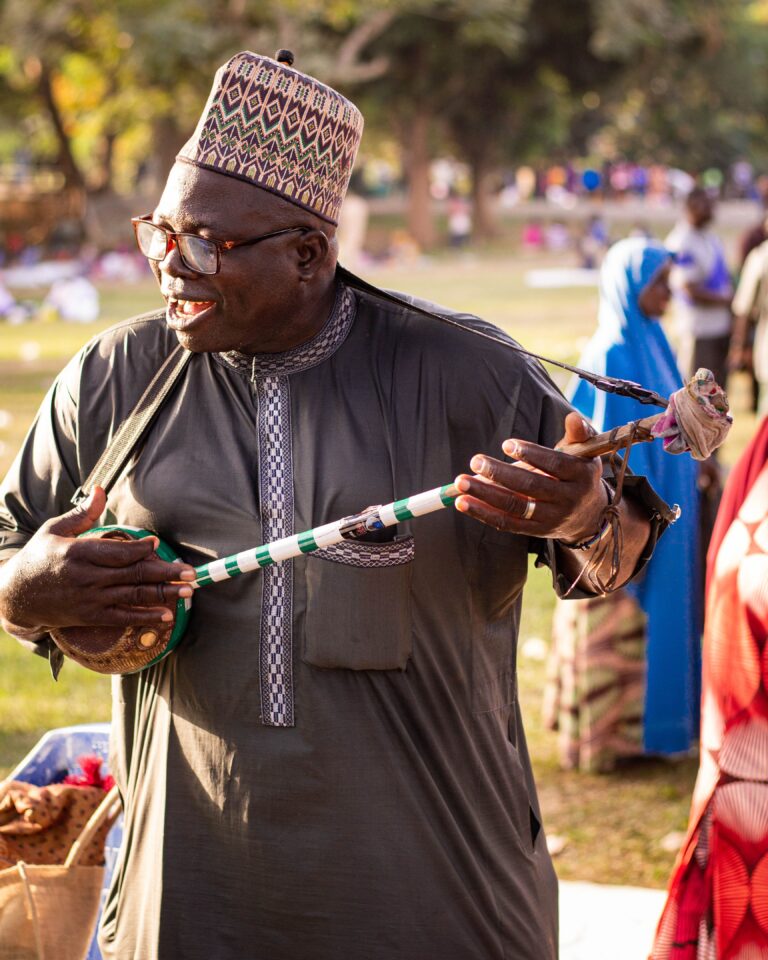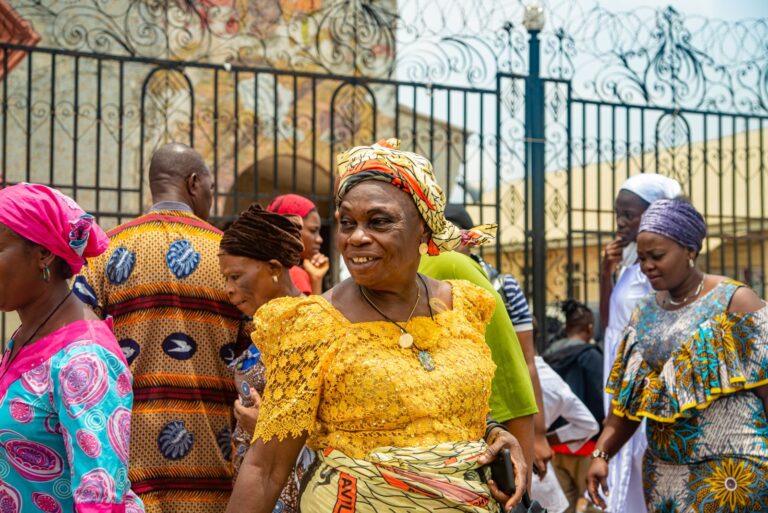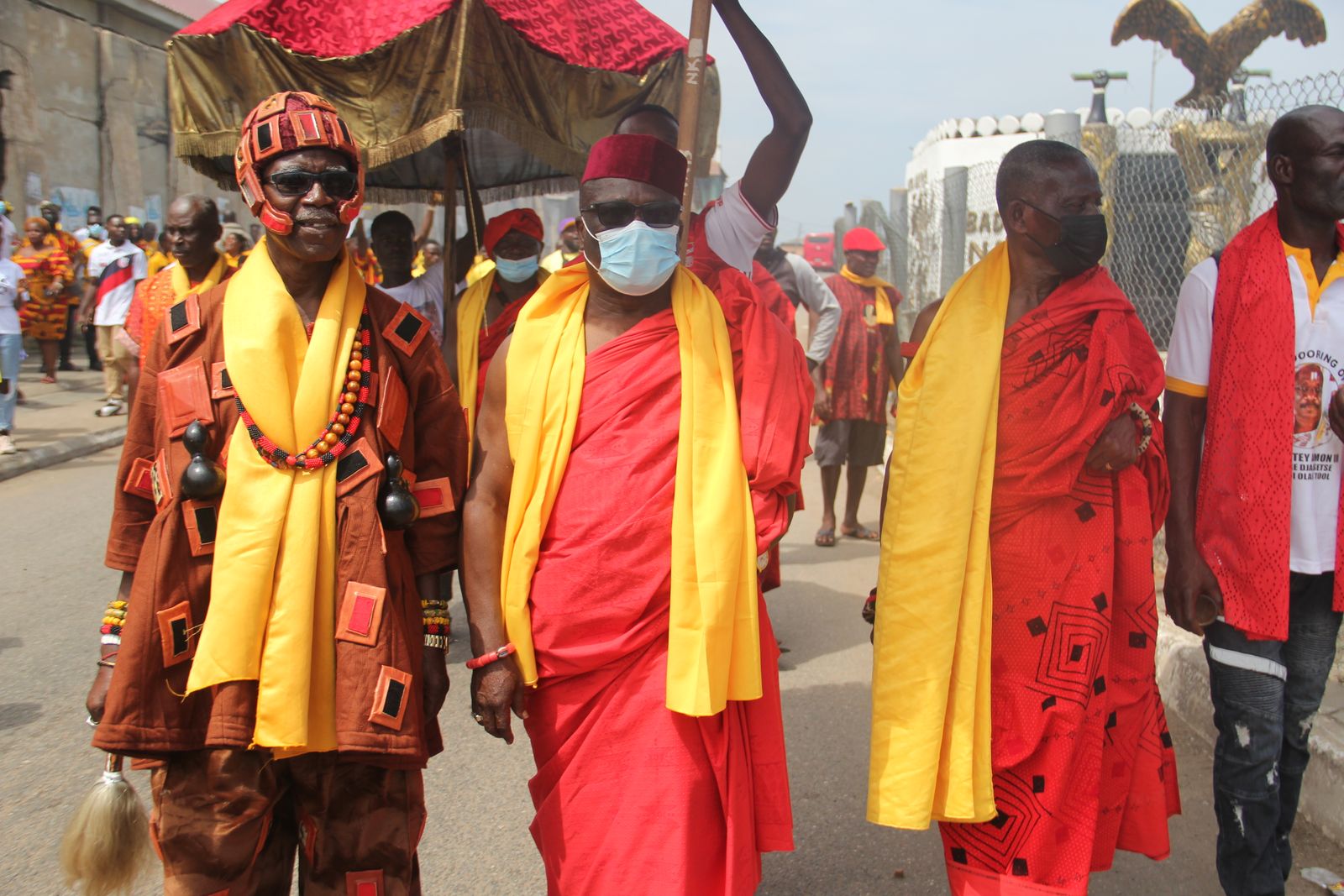
The Ashanti Queen Mother: The Woman Who Chooses the King
Picture the court in Kumasi. The golden umbrellas are open. The drums speak in phrases only the trained ear can follow. The king sits in state, and everyone who approaches him bows.
Now look to one side. There sits a woman with her own stool, her own court, her own linguist, and her own attendants. When the king dies, it is her voice that starts the process of choosing the next one.
That woman is the Ashanti queen mother, known as the Asantehemaa. If you want to understand African leadership on its own terms, you have to understand her. Because the idea that precolonial African power was simply male rule with women in the kitchen falls apart the moment you meet her.
Let’s dig in. Shall we?
Who Is the Ashanti Queen Mother?
The Asante, often written Ashanti, are an Akan people of central Ghana. Their kingdom rose in the late seventeenth century under Osei Tutu and the priest Okomfo Anokye, around the sacred Golden Stool.
The Asantehemaa is the senior female ruler of the kingdom. She is not the king’s wife. That is the first thing to get right. She is a royal woman from the same matrilineage as the king. She may be his mother, his sister, his aunt, or his cousin.
Every Akan state has its own queen mother, or ohemaa, alongside its chief. The Asantehemaa sits at the top of that system for the whole Asante nation.
Why Matrilineage Makes Her Powerful
To understand her power, you have to understand Akan kinship.
The Akan trace descent through the mother. Your abusua, your lineage, comes from your mother’s side. Royal blood flows through women. A king’s son is not in line for his father’s stool, because he belongs to his mother’s lineage, not his father’s.
So who knows the royal line best? The senior woman of that line. She knows who was born to whom. She knows who is legitimate. She is the living memory of the family that holds the stool.
The Queen Mother Nominates the King
When the stool becomes vacant, the Ashanti queen mother is traditionally the one who nominates a candidate from among the eligible royal men. The kingmakers then consider the nomination. If they reject it, she can put forward another name.
Think about what that means. No man becomes Asantehene without a woman first saying his name.
This was not ceremony. It was real power, and it was exercised with care. A queen mother who chose badly damaged her own lineage. She had every reason to choose someone capable.
The Queen Mother as Adviser and Critic
Once the king is enstooled, the Asantehemaa does not disappear. She has the right to advise him, and tradition allows her to rebuke him in private in a way that no ordinary subject could.
In a system where open public criticism of the king could be dangerous, she provided a check from inside the royal family. She was the person who could say what others could not.
She also held her own court. She heard cases, especially those involving women and family matters. She had her own stool and her own officials. Her authority sat beside his, not beneath his.
Yaa Asantewaa: When a Queen Mother Went to War
No discussion of Akan queen mothers is complete without Yaa Asantewaa.
She was the queen mother of Ejisu, one of the Asante states. In 1900 the British governor demanded that the Asante surrender the Golden Stool so that he could sit on it. To the Asante, this was an outrage. The stool held the soul of the nation.
The male chiefs hesitated. Yaa Asantewaa did not. She challenged them publicly and became the leader of the uprising now known as the War of the Golden Stool. The British eventually captured her and sent her into exile in the Seychelles, where she died. But the Golden Stool was never handed over.
We tell more stories of women like her in African warrior queens and in our piece on Queen Idia and the Iyoba of Benin, another royal office built around a woman.
The Queen Mother in Modern Ghana
Colonial rule weakened many traditional offices, and queen mothers often lost recognition when the British dealt only with male chiefs. But the institution survived.
Today queen mothers across Ghana remain active. Many lead development work in their communities, from schools and health projects to mediating family disputes. Queen mothers’ associations bring them together across regions. The office has adapted, but its roots are the same.
What Leaders Can Learn From the Ashanti Queen Mother
I want to be careful here. The point is not to romanticise the past. Akan society had its own hierarchies and injustices like any other.
But the queen mother offers lessons that leadership training in boardrooms keeps rediscovering.
- Succession needs a guardian. Someone outside the top seat must protect the long view.
- Power needs a private critic. Leaders need at least one person who can tell them the truth without fear.
- Memory is authority. The person who holds the institution’s history holds real influence.
- Shared rule is stable rule. Two linked centres of authority made the system harder to capture.
We explore more of these ideas in traditional African leadership lessons.
Lead Like Your Ancestors Taught
Africa did not need to import the idea of women in leadership. It was already here, sitting on its own stool. Explore more in our Leadership section, learn how organisations partner with us on the About page, and watch these histories told in full on the SEVICS Africa YouTube channel.