Kumpo Dance Explained | The Hidden Intelligence and Spirituality Behind Kumpo Dance Movements
Watch on the SEVICS Africa channel: Exposing the Secrets of the Kumpo Masked Dance

Watch on the SEVICS Africa channel: Exposing the Secrets of the Kumpo Masked Dance
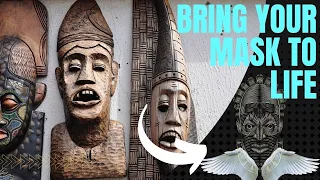
From my book, Within Carved Lines What is the mask for? I grew up knowing what masquerade means, and now I watch the objects of that tradition sell for sums that could transform the villages they came from. The mask was made to hold a community together, to call the ancestors back, to teach the…
The Makonde people of Tanzania and Mozambique create elaborate helmet masks used in male initiation ceremonies. Discover the symbolism of the Lipiko tradition.
Carved to represent the idealised beauty of deceased maidens, the Agbogho Mmuo mask is one of Nigeria’s most graceful masquerade traditions.

Every year the same thing happens in classrooms around the world. A teacher announces that this week the class will study Africa. Paper plates come out. Glitter, feathers, and a few zigzag lines. At the end, thirty identical “African masks” go up on the wall, and not one child can tell you which people made…
New: the 2nd edition of Within Carved Lines: The Secret Meanings of African Masks is out now. Get the book → Some of the most famous objects to come out of Central Africa are not, strictly speaking, masks at all. The Kota of Gabon are best known worldwide for a flat, shining, copper-covered guardian figure…
Most masks in this book appear repeatedly, at funerals, at harvests, at initiations that recur every generation. The Temne of Sierra Leone built one that does the opposite: a mask representing the guardian spirit of a ruling dynasty, seen in public only once, during the enthronement of a new chief, after which it disappears and…