The Dan Mask of West Africa: Purpose, Symbolism, and Regional Variations
New: the 2nd edition of Within Carved Lines: The Secret Meanings of African Masks is out now. Get the book →
Among the masking traditions of West Africa, the Dan stand apart for the extraordinary range and beauty of their masks. Found among the Dan people of western Côte d’Ivoire and eastern Liberia — as well as related and neighbouring groups including the We, Mano, and Gio — Dan masks are among the most expressive, diverse, and widely collected objects in African art. Yet their full cultural significance is rarely conveyed in the galleries and auction houses where they most often appear to outside observers.
Who Are the Dan?
The Dan people number around 350,000, living primarily in the mountainous forest regions of western Côte d’Ivoire and neighbouring Liberia. They are organised into small, relatively autonomous villages rather than large centralised kingdoms, and the mask tradition plays a central role in governance, justice, and spiritual life in the absence of hierarchical political structures. In Dan society, the mask is not simply an art object — it is a presence, an entity with its own identity, history, and spiritual power.
What Dan Masks Represent
For the Dan, a mask is not a representation of a spirit. It is the physical form through which a spirit — called a du — makes itself present in the human world. The du are a category of spirit beings that exist alongside humans and interact with them for various purposes. When a mask is made, it is because a du has appeared to a man in a dream and instructed him to create a physical form for its use. The mask carver is therefore not an artist in the Western sense — he is a craftsman following spiritual instructions, creating a vessel for a power that already exists.
Each mask has its own name, personality, and history. Masks are treated as living entities: they are fed, clothed, given offerings, and consulted. When a mask appears in performance, the performer who wears it undergoes a transformation — he is no longer himself, but has become the vehicle for the du. The voice he uses, the movements he makes, and the pronouncements he delivers are those of the spirit, not the man.
Types of Dan Masks
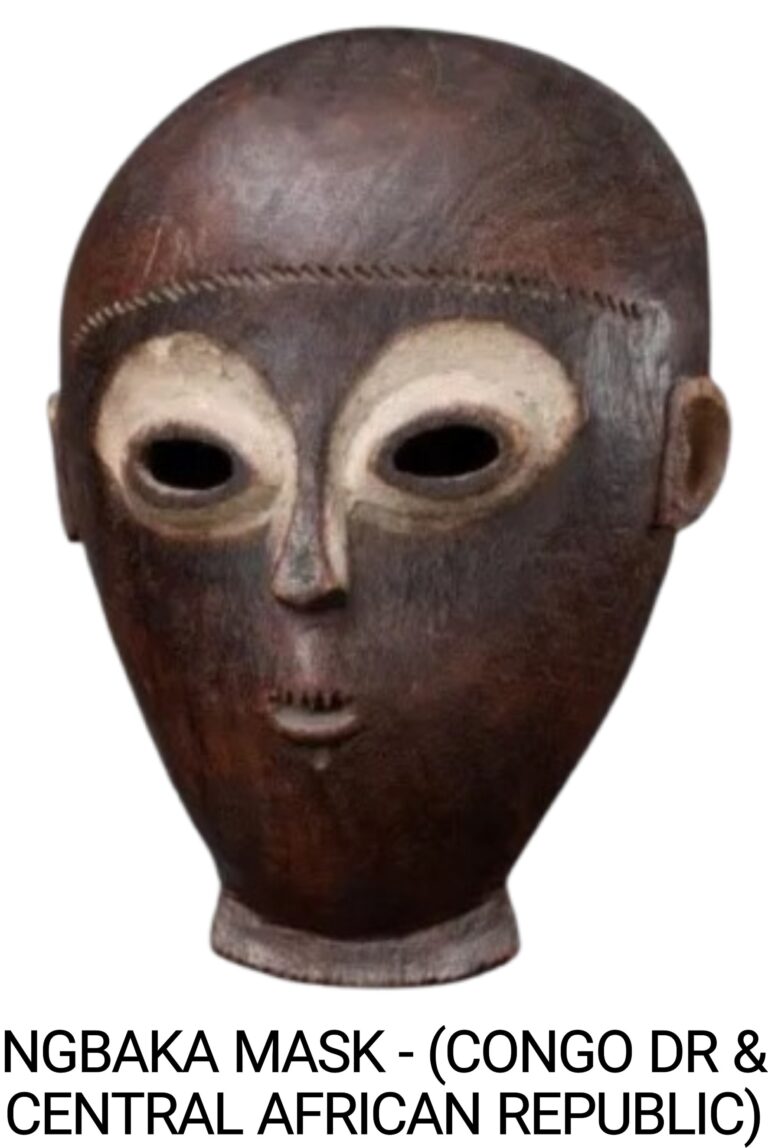
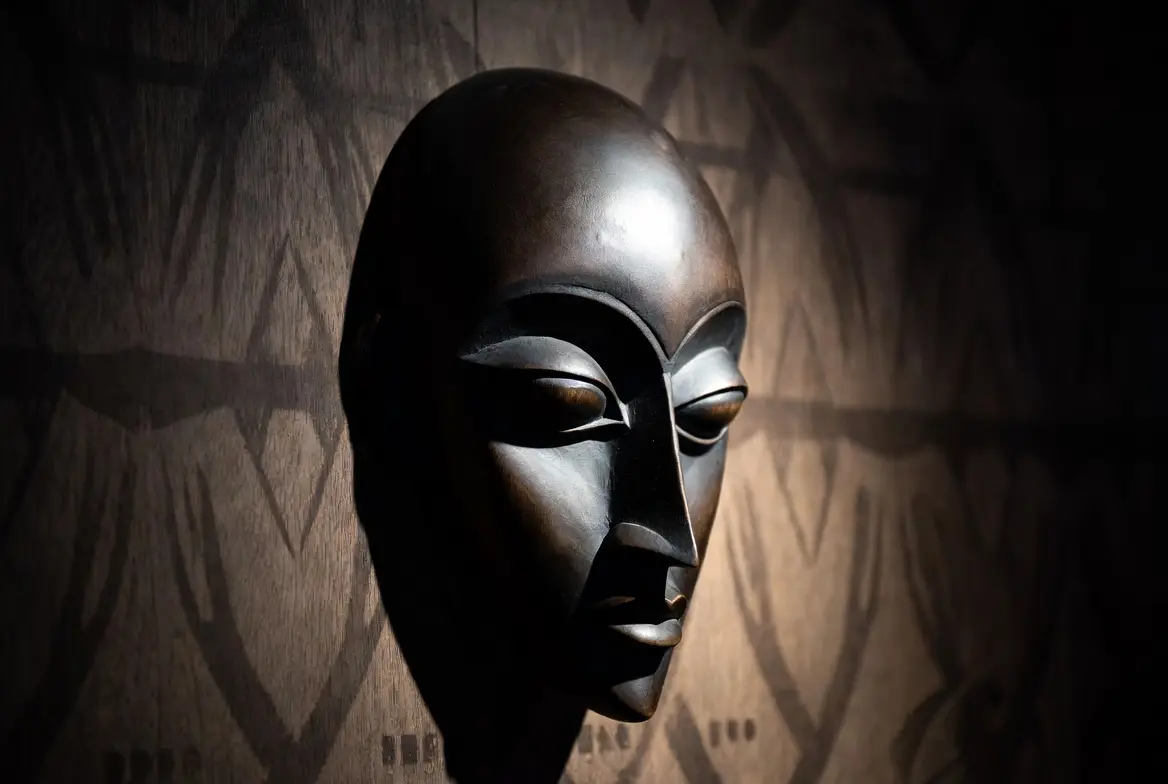
Dan masks are classified by function rather than by appearance, though appearance and function are closely linked. Entertainment masks, known as gunyege or tankagle, are among the most common. They have smooth, relatively naturalistic features — oval faces, half-closed eyes, a calm and often slightly smiling expression — and they appear at festivals and community gatherings to entertain, to compete in racing (Dan masquerades are renowned for their running performances), and to create a joyful atmosphere.
Judging masks have a more weighty role. They appear during disputes and serve as vehicles for the du’s impartial judgement. When the masked figure speaks, its verdict is accepted with an authority that a human judge could not command. Beautifully made judging masks are among the most valued objects in Dan communities.
Begging masks — a category that surprises many outsiders — appear to collect food on behalf of their communities. They move between households, accepting gifts of food that are then distributed to those in need. The mask’s spiritual authority ensures that generosity is forthcoming.
War masks represent the most powerful end of the Dan mask spectrum. They are often more abstract and less naturalistic than entertainment masks, with features that convey danger, strength, and supernatural force. Some have protruding elements, attached horns or fur, or deliberately asymmetrical features. These masks were worn in battle and were believed to provide spiritual protection to their communities.
The Aesthetics of Dan Masks
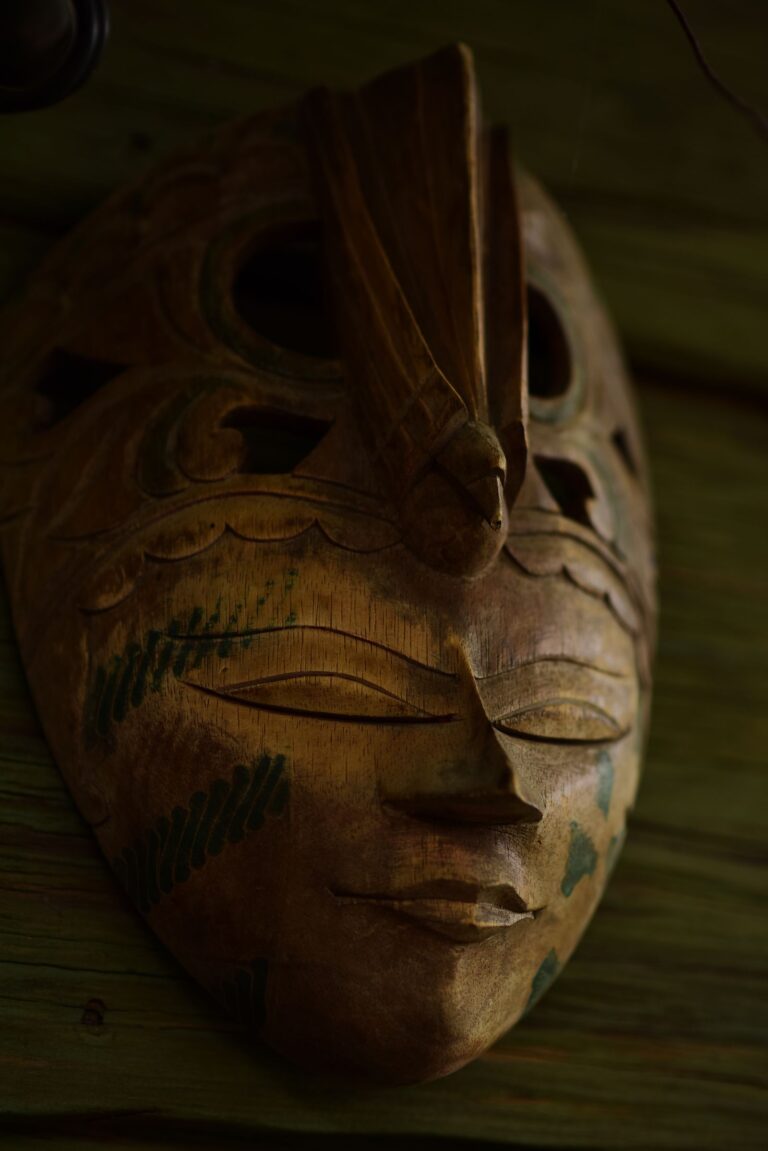
The face masks most associated with the Dan in museum collections typically have smooth, rounded forms with a serene, somewhat introverted expression. The eyes are often represented as narrow, half-open slits, suggesting a state between the human and spirit worlds. The skin of the mask is polished to a deep, lustrous finish through years of handling and the application of oils. This finish — called zu — is not just aesthetic but a sign of the mask’s spiritual vitality and its history of use.
Attached to the mask is a costume that conceals the performer’s body entirely. Raffia, cloth, and sometimes animal skins are used to create a complete transformation of the human wearer into a masked being. The total effect — mask, costume, and performance — is what constitutes the masquerade.
Dan Masks and the Art Market
Dan masks became extremely well known in the Western art world during the twentieth century, partly through their influence on European modernist artists and partly through colonial-era collection. Some of the finest examples are in major museum collections; others appear regularly at auction, where they command significant prices. This market has had complex effects on Dan communities — creating economic incentives for the production of masks for sale while also separating mask objects from the ceremonial contexts that give them meaning.
The Dan continue to produce and use masks in ceremony today, though the tradition has been affected by urbanisation, religious change, and economic pressure. In communities where the tradition is strong, the making and performance of masks remains a central part of social life.
Go deeper into the stories behind the masks you just read about. Within Carved Lines uncovers the history, symbolism, and ritual meaning of Africa’s traditional masks — now fully revised in its second edition.
Get Your Copy