African Heritage Preservation CSR Strategy: Why It Deserves a Seat at the Table
Open most corporate sustainability reports from companies operating in Africa and you will find the same three pillars every time. Environment. Education. Health. All three matter. None of them are wrong. But look closer and you will notice something missing. Heritage rarely makes the list. Culture rarely gets a budget line. And yet the communities these companies operate in, hire from, and sell to are holding entire histories that are disappearing faster than most CSR teams realize. An African heritage preservation CSR strategy is not a soft add on to the pillars you already have. It is a legitimate, measurable, and frankly overdue one.
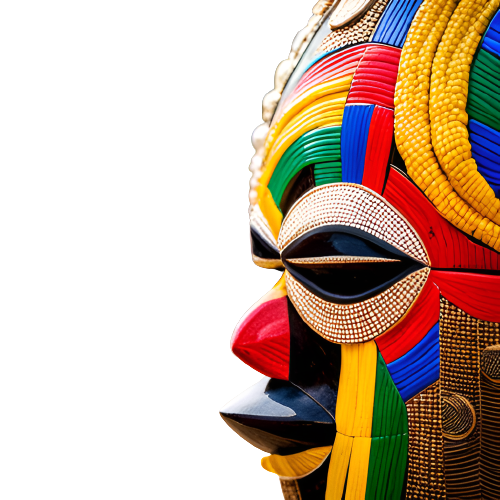
I run SEVICS Africa. We document African masks, oral history, and craft traditions on the ground, mostly across Nigeria, and we talk to a lot of cultural custodians who are the last people alive who remember a specific song, a specific carving method, a specific way a mask was supposed to move during a particular rite. When they go, the knowledge goes with them. No amount of goodwill recovers that afterward. This is why heritage preservation deserves the same seriousness companies already give to carbon targets and literacy programs.
The Case for Culture as a CSR Pillar
Ask any ESG consultant what counts under the social pillar and they will mention community investment, local employment, human rights due diligence. Heritage preservation fits cleanly inside all three, yet it almost never gets named directly. That is a gap, not a rule. Nothing in the GRI or ESRS frameworks excludes cultural heritage. Companies in Europe and Asia have funded museum conservation, language documentation, and craft apprenticeship programs for decades and reported them proudly under community investment. African subsidiaries of the same multinationals rarely do the same thing on the continent where they operate.
There is a reason this matters beyond fairness. Oral history, mask carving, weaving, drumming, and indigenous language are not decorative traditions sitting outside the economy. They carry tourism value, educational value, and identity value for the young people growing up in the communities where a company has its factories, farms, or offices. A company that funds the documentation of a local mask tradition is not sponsoring nostalgia. It is protecting an asset that belongs to the community it depends on for labor, land, and goodwill.
What an African Heritage Preservation CSR Strategy Actually Funds
This is the part most companies get stuck on, because heritage work sounds abstract until you see the actual line items. It is not abstract at all.
Documentation projects. Paying a small team to record elders describing a masquerade’s origin, a proverb’s meaning, or a craft technique before that knowledge sits with only one or two living people. This produces archives, footage, and written records that outlast any single custodian.
Artisan training and apprenticeship. Mask carving, weaving, bronze casting, and pottery traditions survive only if someone younger learns them properly, not from a video, but from a master who corrects the hand directly. A company might sponsor a twelve month apprenticeship cohort, paying a modest stipend to both the master and the apprentices so the young people are not choosing between learning a craft and earning a living.
Youth cultural education. A company might fund a program that brings secondary school students into contact with their own local history, not as a school subject to memorize but as something performed, explained, and questioned by people who actually carry it.
Digitization. Photographs, recordings, and written accounts held by families, churches, or small local museums are often one flood, one fire, or one hard drive failure away from being lost permanently. Funding proper digitization and storage is unglamorous work. It is also some of the highest value work available, because it protects something that cannot be remade once it disappears.
None of these require a company to become a cultural institution. They require a modest, clearly scoped grant and a partner who already knows the terrain.
Why This Is Lower Risk Than a Generic Donation
Here is where most well meaning CSR budgets go wrong. A company decides to “give back” to a community, writes a check to a general fund, and hopes it lands somewhere useful. Sometimes it does. Often the money disappears into overhead, or worse, it gets spent on a project that a well intentioned outsider assumed the community wanted, without actually asking the people who would live with the result.
Heritage work done badly can be genuinely harmful. Outsiders who record oral history without context, extract stories without consent, or stage cultural performances for a photo opportunity leave behind resentment, not goodwill. This is precisely why the partner matters as much as the cause.
Working with an organization like SEVICS Africa removes the guesswork. We already have relationships with mask custodians, elders, and craft communities built over years, not weeks. We understand which stories are meant to be shared publicly and which are restricted. We know how to structure a documentation project so the community retains ownership and dignity, not just the company retains a good headline. A company partnering with us is not funding a stranger’s idea of African culture. It is funding people who have already done the harder work of earning trust on the ground.
What This Looks Like in Practice
A realistic starting point is smaller than most companies expect. A single documentation project covering one mask tradition or one community’s oral history, produced properly and shared through channels that respect the source, can anchor an entire year of CSR reporting on cultural heritage. It photographs well, it reports well, and unlike a one time donation, it produces something permanent. An archive. A trained apprentice. A digitized record that a museum or university can reference for decades.
Where to Start
If you are shaping next year’s CSR strategy and heritage has never been on the list, this is the moment to add it. SEVICS Africa works directly with companies who want to fund documentation, artisan training, youth cultural education, or digitization projects that are grounded, credible, and built with the communities involved rather than around them.
Visit our Corporate Support page to see how a partnership could work for your company, from a single documentation project to an ongoing multi year commitment. If you want to understand the cultural landscape we work in first, our African Heritage page is a good place to see the masks, traditions, and communities this work protects. And if you would rather watch this heritage before you read about it, the SEVICS Africa YouTube channel has years of footage from the field, the carvers, the elders, and the masquerades themselves.
Heritage preservation will not replace your environment or education budget. It should not have to. It simply deserves to sit beside them, funded with the same seriousness, because what is being lost cannot be planted again like a tree or rebuilt like a school. Once a language or a tradition goes quiet, it stays quiet.