Egungun Mask of the Yoruba: What It Was For and Why It Matters
Yoruba | Nigeria and Benin and Togo | Ancestral / Funerary
What was it for?
The Egungun represents the collective ancestors made visible among the living. When the mask appears, the dancer is not understood to be performing; the ancestor has arrived. The mask presides over funerals, mediates disputes, delivers judgements and reminds the community that the dead are not gone.
What does it look like?
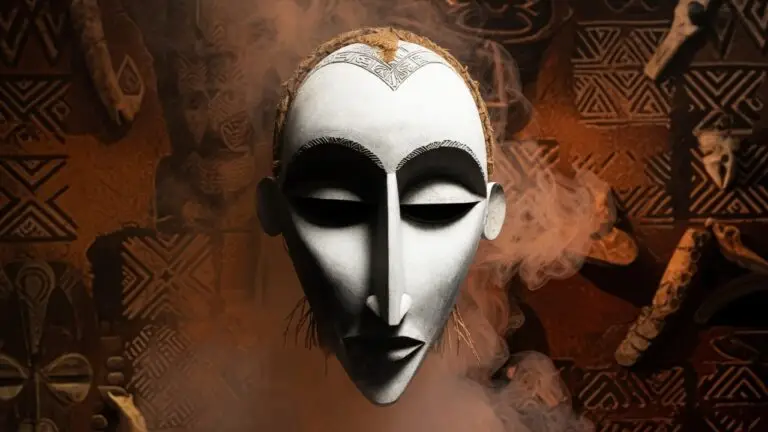
Egungun are rarely just a carved face. They are whole ensembles of layered cloth, sometimes dozens of different fabrics sewn together, covering the dancer from head to toe. The face may be carved wood or simply a dark mesh of raffia. What matters is the whole, a shape that belongs to no single world.
Why does it matter?
The appearance of an Egungun is a legal and spiritual event. In traditional Yoruba communities, what the Egungun says carries the weight of ancestral decree. Touching the mask or its costume is taboo and, in some communities, was historically punishable by death.
One thing most people never know
The patterns and combinations of cloth in an Egungun costume are inherited. Each compound has its own Egungun passed down through the generations, and each lineage's Egungun has its own identity. The costume is a family record as much as a ritual garment.
Further reading: the source record for this entry.
This entry is part of the SEVICS Africa archive of 100 African masks. If you own a mask like this and want to know more about it, try our Mask Identifier.