Fang Reliquary Mask (Ngil): Guardians of Ancestral Bones in Gabon
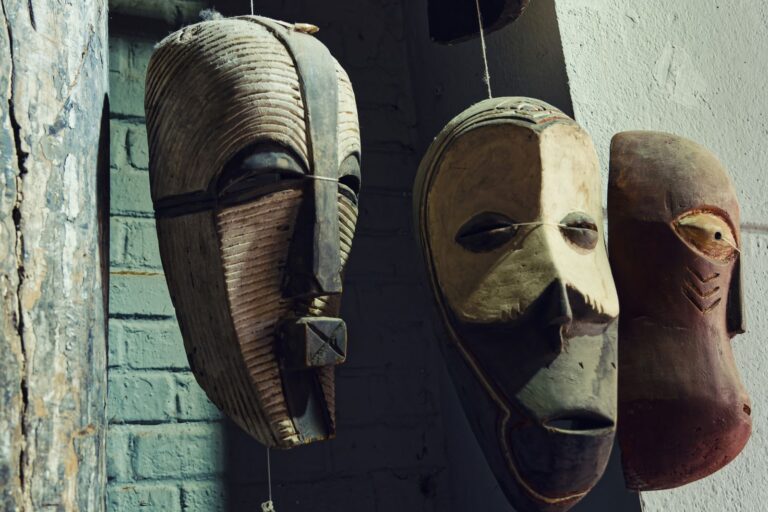
The Ngil mask of the Fang people was used by secret societies to guard reliquaries and enforce social order. Discover its haunting beauty and purpose.
The Kuba Kingdom of present-day DRC produced extraordinary art and governance. Explore their mask traditions and historical impact.
Lip plates are one of the most recognised — and misunderstood — forms of African body modification. Here is the full cultural story.
The Pende people of the Democratic Republic of Congo produce some of Africa’s most diverse masks. This guide covers the main types and their ritual roles.
From Queen Amina of Zaria to Yaa Asantewaa of Ghana, Africa’s warrior queens shaped continents. Here are their stories.
The Ashanti people of Ghana are renowned for their goldsmithing. Learn how their ceremonial masks reflect a powerful royal tradition.
From the Himba of Namibia to the Surma of Ethiopia, African body paint carries deep spiritual and social meaning. Here is your complete guide.
Found among the Dan people of Côte d’Ivoire and Liberia, these masks are among the most expressive in African art history.
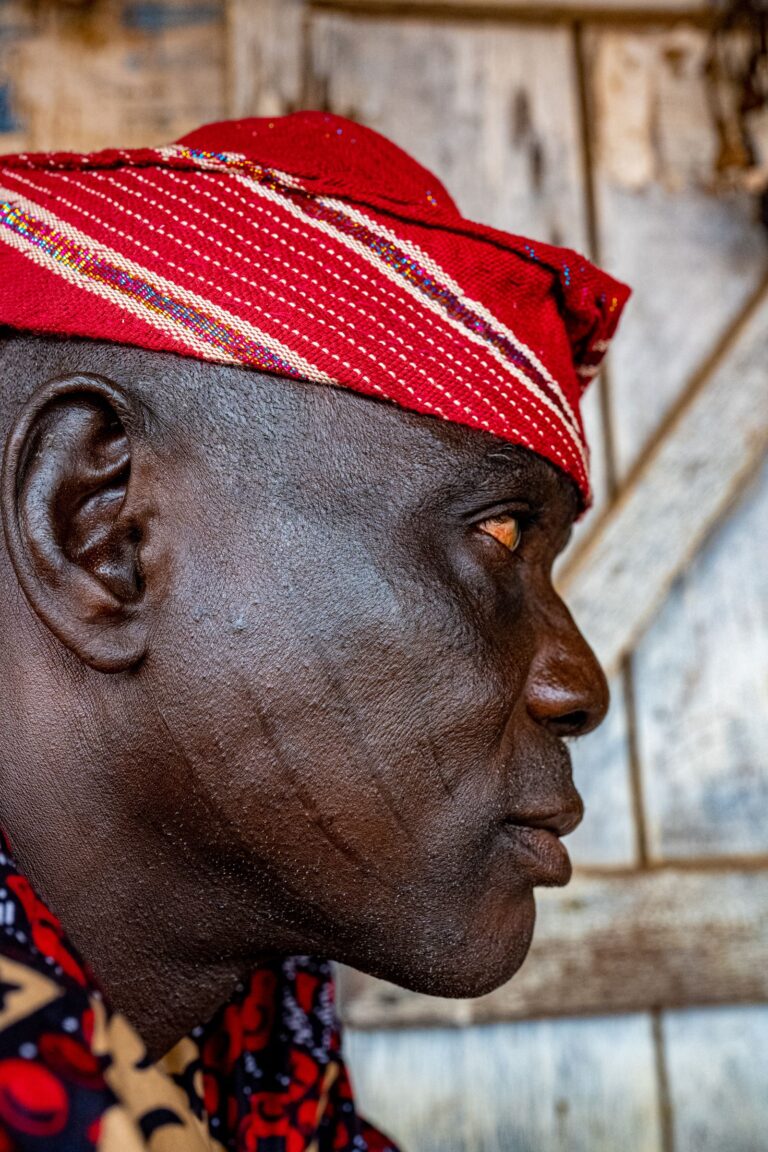
Scarification has been practised across Africa for thousands of years. This introductory guide explains why communities mark the body and what it communicates.
The Yoruba Gelede mask is one of West Africa’s most celebrated ceremonial objects. Discover its origins, symbolism, and the UNESCO-recognised festivals it anchors.
There are secrets about African masks you have never heard anywhere, and I am going to expose a few of them here. I want to talk about women in masking traditions. Are there cultures where women are allowed to put on masks? Which cultures are those? If you are really into this kind of thing,…
Somewhere in a living room in Berlin, or Brooklyn, or a quiet suburb in Surrey, an African mask hangs on a wall. The owner walks past it every morning. They bought it at an estate sale, or inherited it from a relative who did volunteer work in West Africa in the 1970s. They think it…