How to Teach African Masks in Schools: A Respectful Lesson Plan
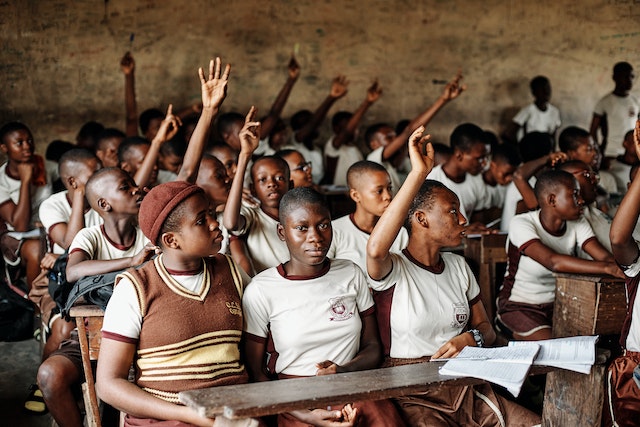
Imagine a teacher whose pupils laugh when she shows them an African mask. They call it scary. She does not scold them. She asks a question instead. ‘Who do you think made it, and what was it for?’ The room goes quiet. For the first time, the children are thinking. That is how to teach African masks in schools: with a question first.
That is the heart of it. You do not start by explaining what the mask looks like. You start by asking what the mask does.
If you are a teacher, a homeschool parent or a youth leader, this guide is for you. I will show you how to teach African masks with respect, accuracy and real interest. Let’s dig in. Shall we?
Start with the right frame
Many lessons about African art begin with a mistake. They treat masks as spooky decorations from an unknown place. Students leave remembering a mood, not a meaning.
Try this frame instead. A mask is a tool used in a community for a specific purpose. It might honour an ancestor. It might guide a spirit at a funeral. It might mark a boy’s passage into adulthood. It might teach moral lessons through performance. It is part of a living system of ideas.
Five principles to teach African masks in schools well
1. Name the people, not just the continent
Africa has thousands of cultures. Do not say African mask as if one tradition covers all. Say Baga, Igbo, Dogon, Hemba, Yoruba or Senufo. Place each on a map. This one habit changes the quality of a lesson.
2. Teach function before form
Ask what the mask was for before asking what it looks like. A funeral mask, a harvest mask and an initiation mask belong to different parts of life. Students remember purpose more than shape.
3. Use the present tense where it is true
Many masquerades are still performed today. Do not talk about them as if they ended. Students should understand that these are living traditions, even where they are changing.
4. Treat sacred items with care
Some masks are restricted. Some should not be photographed or worn by outsiders. Show students that culture has rules, and explain the rules.
5. Talk about ownership honestly
Many objects in museums left Africa under unequal conditions. Older students can discuss restitution. Read our guide on African art restitution to prepare. Young children can learn the simpler idea that objects belong to stories and communities.
A lesson plan you can use tomorrow
Step one: look (10 minutes)
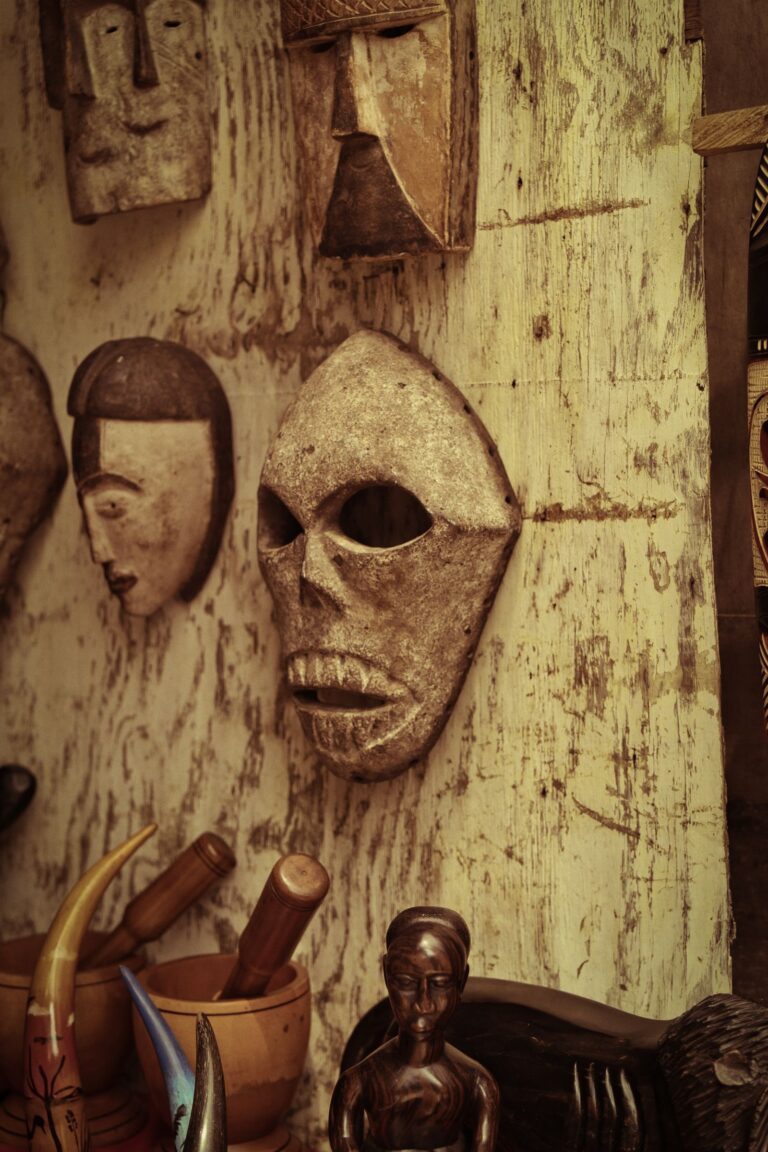
Show one clear photo of a mask. Ask students to describe only what they see. Shapes, colours, materials. No guessing yet.
Step two: ask (10 minutes)
Let students suggest what the mask might be for. Write their ideas on the board. This is where curiosity switches on.
Step three: reveal (15 minutes)
Tell the true story. Use a mask with a well documented purpose. For example, a Hemba So’o mask appears at funerals to guide the spirit of the dead and calm the village. Students learn that the frightening face has a caring job.
Step four: connect (15 minutes)
Ask students about their own traditions. What do we wear, say or do at weddings, funerals and birthdays? This links the lesson to their lives.
Step five: make (20 minutes)
Invite students to design a mask for a purpose of their own, such as a mask for kindness or a mask for truth. They must explain what it is for. They should not copy sacred designs. They should create original work.
Common questions from teachers
Is it all right to let children make masks?
Yes, if the purpose is learning and the design is original. Avoid copying a specific ceremonial mask or pretending that a classroom craft carries the same meaning as a real one.
What about scary masks?
Do not skip them. Explain them. A frightening mask often protects or heals. Students usually respond well to that surprise.
Where do I find reliable sources?
Use museum catalogues, community voices and trusted African led organisations. Be careful with sale listings, which often repeat guesses. Our guide to traditional African masks is a good place to start, and our mask identifier shows how objects are graded.
Bring in African voices
Invite a guest from the community if you can. Play recordings. Show film. The best lessons come from people who live the culture. Students remember a voice longer than a worksheet.
Words students should learn
Give students a short vocabulary list. Masquerade, initiation, ancestor, patina, provenance and restitution are all useful. Use them in sentences and ask students to teach them back. Learning accurate words early protects against the vague language that often surrounds African art.
How to assess what students learned
Do not test whether students can name a hundred masks. Test whether they can explain one well. Ask them to describe who used it, what it was for, when it appeared and why it mattered. Ask them to explain how they know. A student who can say where a fact came from is learning the real skill.
Differences by age group
Younger children respond to story and play. Tell them about a mask that guides a spirit or teaches a lesson, and let them act out the roles. Older children can compare two traditions, such as the funeral mask of the Hemba and the age grade masquerades of the Igbo. Teenagers can handle harder questions about museums, ownership and collecting.
Whatever the age, keep one rule. Treat the culture as alive. The people who carry these traditions are your neighbours in the world, not characters from a story.
Learn with SEVICS Africa
SEVICS Africa supports education through teacher training, student engagement and learning resources. If your school wants help, visit our learning page on African masks or get in touch. For classroom ready stories and short explainers, follow the SEVICS Africa YouTube channel.
Try one lesson this week. Then tell us what your students said. Their questions will teach you something too.