Dinka Initiation Scarification: What a Boy Goes Through to Become a Man
It is early morning in a cattle camp. The air is cold and smells of smoke and dung fires. Cows low in the dark. A group of boys sits in a line, their eyes fixed on nothing. Nobody speaks. In a few minutes, a knife will touch each forehead. This is Dinka initiation scarification.
If you have ever wondered what a boy goes through to be called a man among the Dinka people of South Sudan, this is the answer. It is not decoration. It is not a fashion choice. It is a test, a promise and a public record, all cut into the skin at once.
I will walk you through what it means, why it matters, and why it is changing. Let’s dig in. Shall we?
Who the Dinka are and why cattle matter
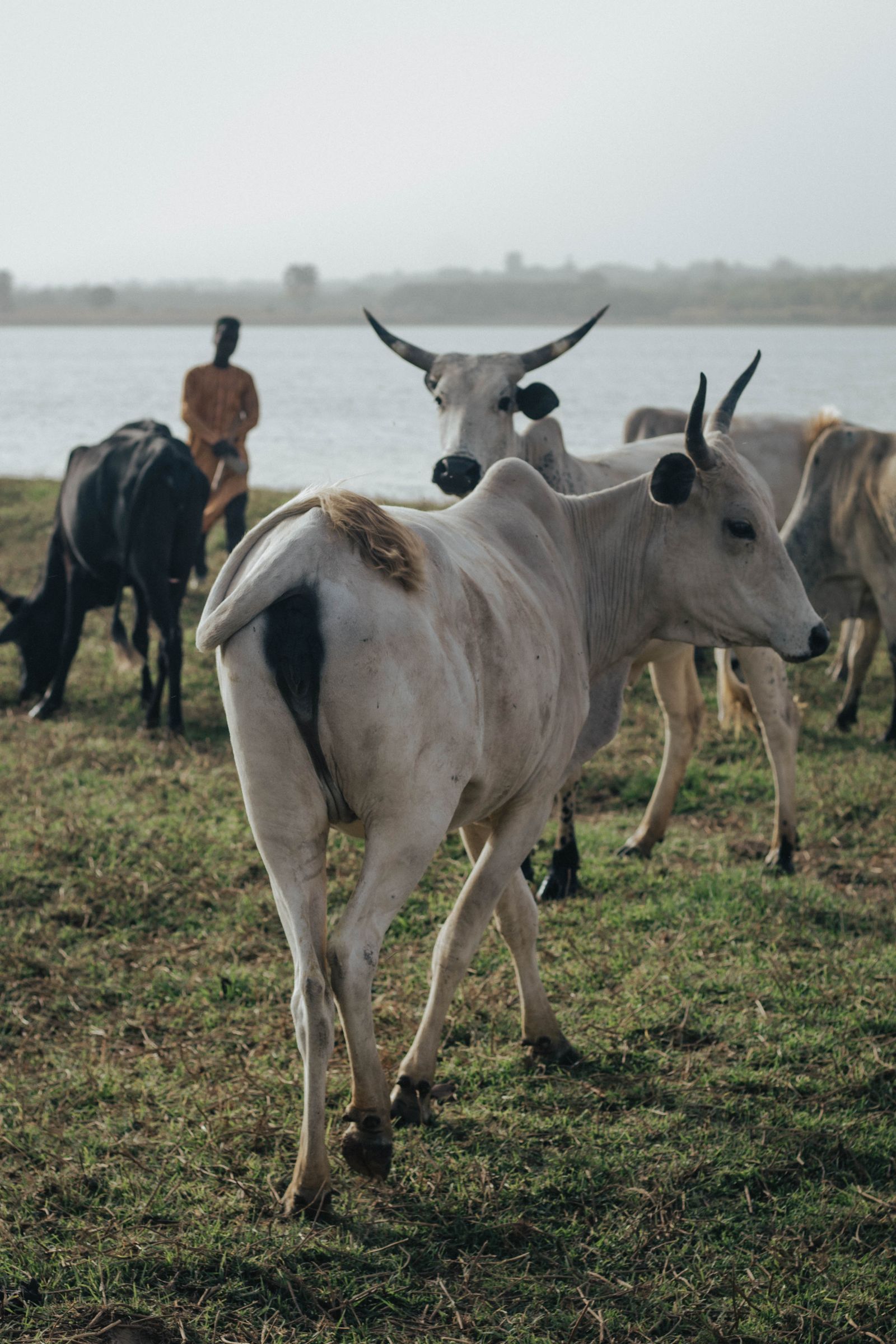
The Dinka call themselves Jieng. They are one of the largest ethnic groups in South Sudan, and they live mostly along the Nile and its wetlands. Their life has long been built around cattle. Cattle are food, wealth, marriage payment and spiritual language. A man can carry the name of his favourite ox for years.
You cannot understand the marks without understanding this. A Dinka boy does not grow up in a world where adulthood is a birthday. He grows up in a world where adulthood is earned in front of his family, his age mates and his ancestors.
What Dinka initiation scarification actually is
Initiation marks the move from boyhood to manhood. During the ceremony, a specialist cuts patterns into the skin of the forehead. Among the Bor Dinka, the best known pattern is a set of parallel lines across the brow. Other sections of the Dinka wear different designs. I will not pretend there is one pattern for every Dinka community, because there is not.
The cuts are made with a blade, and the boy is expected to stay still. Flinching is not a small matter. Courage is the lesson. The family watches. His peers watch. The boy who endures is saying, with his face, that he is ready to carry weight.
Once healed, the marks stay for life. They cannot be taken off, hidden or changed by mood. That permanence is the whole point.
Three things the marks say
Courage and self control
In many African societies, pain is a teacher. The Dinka are not unusual here. A boy who can control his body under a blade shows he can control his temper, his fear and his tongue as a man. That is what the community needs from its protectors.
Belonging to an age set
Boys who are initiated together form an age set. They become brothers in a very real sense. They defend each other, marry into each other’s circles and carry shared names and duties. The marks tie a boy to this group before he is old enough to argue with it.
Identity that others can read
The patterns tell people where a man belongs. A stranger can look at a face and know something about home. In a region that has seen long conflict and displacement, that readable identity has carried meaning beyond ceremony.
Why it matters beyond the ritual
Western readers often ask one question first. Is it painful? Yes. But that question misses the larger point. The pain is not the story. The story is that a community decided a boy should be seen, named and held to account.
When you strip away the knife, initiation is a promise made in public. The boy promises to act like a man. The elders promise to treat him like one. Many modern societies have lost that clear exchange. You can see the effects in young men who do not know when they have arrived.
What is changing
War, displacement and migration have disrupted initiation for many Dinka families. Many young Dinka men live in refugee settlements, towns, Kampala, Nairobi, Melbourne or Minneapolis. Some choose not to be marked. Some families, for religious or health reasons, have moved away from the practice. Others hold on to it as a thread to home.
I do not think it is our place to judge either choice from the outside. I do think it is our job to document it honestly. Once an elder dies without being recorded, a language of marks dies with him. That is a loss for the Dinka and for everyone who cares about human culture.
How to read and write about scarification with respect
If you are a student, a collector or a content creator, here are a few simple rules.
- Use the community’s own words. Say Jieng and name the section when you can.
- Do not call the marks tribal tattoos. They are scarification, and they carry different meaning.
- Avoid photos that make people look like specimens. Ask permission. Credit the source.
- Remember that marks mean different things in different communities. Do not generalise from one group to all of Africa.
Keep learning
This post looks at the initiation itself. If you want the wider meaning of the marks, read our full guide to Dinka scarification meaning and tradition. For the bigger picture across many cultures, start with African scarification traditions and their significance.
These records exist because people choose to protect them. SEVICS Africa documents African heritage through research, education and film, and you can see how the work is organised on our campaigns page. If you want to watch the stories as well as read them, follow the SEVICS Africa YouTube channel.
Tell me something in the comments. What did your own community do to mark a young person’s step into adulthood? Somebody is waiting to learn it from you.