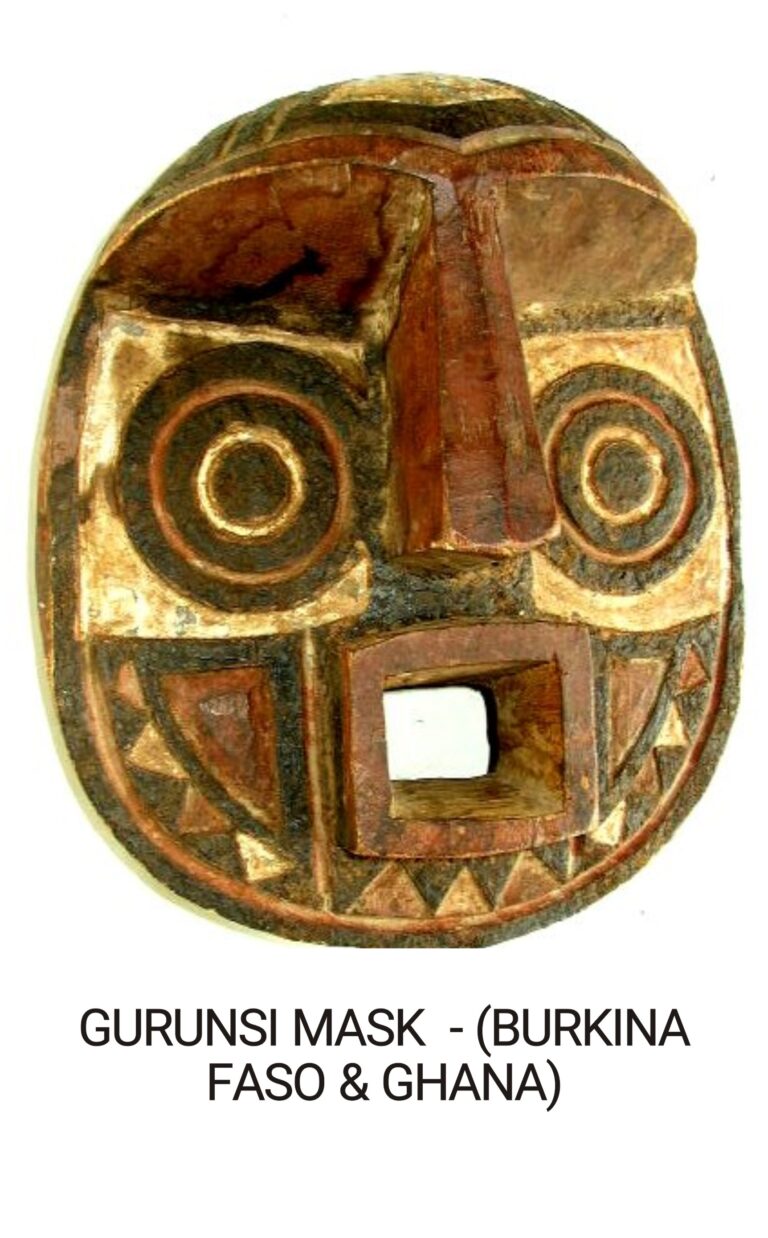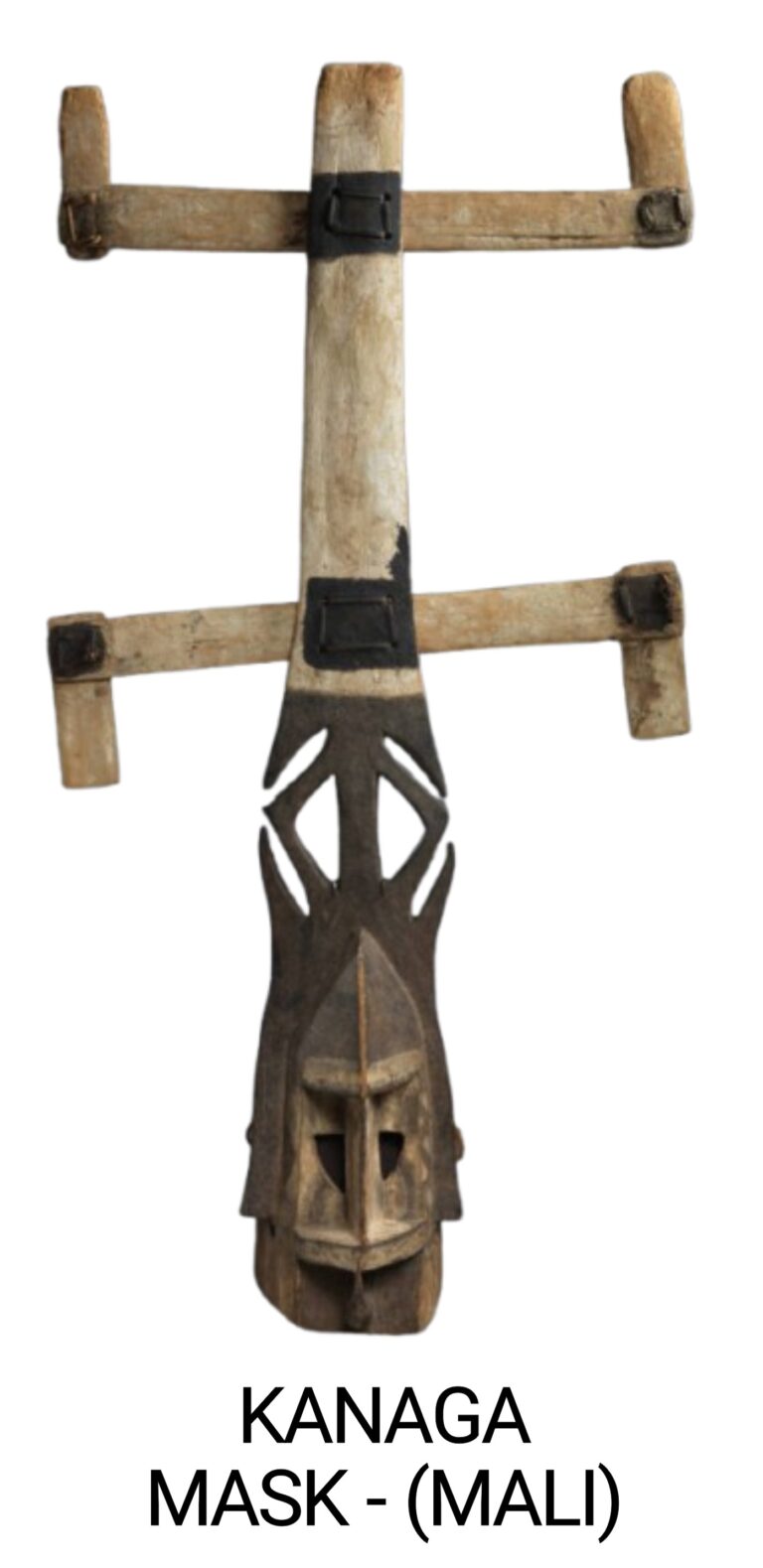
How to Display African Masks at Home: Wall and Stand Guide

New: the 2nd edition of Within Carved Lines: The Secret Meanings of African Masks is out now. Get the book →
You found a mask worth keeping. Now do it justice. How you hang it matters more than most people think, and a nail through the forehead is not a display method. It is an accident waiting to happen.
Watch on the SEVICS Africa channel: African Masks Deteriorating? Here’s What You Can Do
How to Hang an African Mask Without Damaging It
Most well made masks built for wall display already come with a hanging point on the back, a loop of cord, a length of wire, sometimes a notch carved right into the wood. Use that first, before you reach for any tool. If a mask has no built in hanging point, museum putty or an adhesive picture hook is safer than anything that punctures the wood, especially on older or more delicate pieces. Picture wire strung between two small screw eyes, placed discreetly on the back away from the face, is the standard approach for masks without a built in loop.
Do not nail or drill through the face or the visible front of the mask. Beyond the obvious damage, it defeats the whole point of displaying something you found beautiful or meaningful in the first place.
If you are working with a piece that carries real age or value, a framer or conservator can advise on a mount that will not damage it. Worth the cost for anything you would genuinely hate to crack.
Wall Masks Versus Freestanding Stands
Not every mask needs to go on the wall. A stand, typically a simple wood or metal easel style mount, works well if you want to display a mask on a shelf, mantel, or console table rather than commit to a wall. It also lets you rotate pieces in and out of display without patching wall holes, and it shows off a mask’s three dimensional carving in a way flat wall mounting cannot.
Wall mounting works best for pieces meant to be viewed head on, and for building the larger grouped displays covered next.
Best Places to Display an African Mask as Wall Decor
A few placement habits that tend to work. Hang at eye level or slightly above. Masks are traditionally meant to be looked at, not looked down on, and placing one too low can feel visually, and for some traditions culturally, off. Choose a wall with minimal competing decor, since masks carry strong texture and shadow that busy surroundings tend to flatten. Keep the piece out of direct, prolonged sunlight. Ultraviolet exposure and shifting humidity are hard on wood and pigment over the years, so an interior wall away from direct sun will preserve a piece far longer than one in a sunroom.
Styling One Mask Versus a Full Gallery Wall
A single, well chosen mask works as a strong focal point on its own, hung at eye level, ideally with directional light, a picture light or an angled lamp, to bring out the depth of the carving.
A grouped gallery wall of several masks works differently. Odd numbered groupings, three or five, generally read better than even numbers, and varying the height and size slightly across the group builds rhythm rather than a flat grid. If your masks come from different regions or traditions, this is also a good chance to add a small printed label noting where each one is from, turning the display into something educational as well as decorative.
Displaying African Masks With Real Respect
Two placement choices worth avoiding, less for practical reasons and more out of basic respect for what these objects represent to the people who made them.
Avoid placing a mask somewhere it gets regularly walked under or stepped over, directly above a doorway at floor level, or flat on the ground as a rug. In many of the originating cultures, that kind of placement would be seen as disrespectful to what the mask represents.
Avoid pairing a genuine ceremonial style mask with unrelated costume decor. Grouping it with generic jungle or safari themed pieces flattens it right back into a stereotype instead of treating it as what it actually is. If you want context around it, add a note about its real regional tradition instead. Read African Masks by Region and Tribe.
Frequently Asked Questions
Can you hang an African mask outside?
Generally, no. Most wood carvings are sensitive to humidity, temperature swings, and sunlight, all harder to control outdoors. Keep masks indoors, away from direct sun, for the best long term condition.
How do I clean a wooden African mask?
A soft, dry brush, or a lightly dampened cloth, is usually enough for surface dust. Avoid soaking the wood or using household cleaning chemicals, which can strip pigment or damage the finish, especially on older or hand finished pieces.
See also: African Masks for Sale, a Buyer’s Guide and African Mask Meaning, Symbolism and History
Do you own a mask like this?
Not sure what it is, where it comes from, or whether it was ever danced? Start with our free Mask Identifier.
If you want the full story, I offer an in depth reading of your mask. Readings start at around sixty dollars, and every one is quoted before anything begins.
Go deeper into the stories behind the masks you just read about. Within Carved Lines uncovers the history, symbolism, and ritual meaning of Africa’s traditional masks — now fully revised in its second edition.
Get Your Copy